Our goal is to help you choose a primer that provides lasting adhesion and protection for your aluminum wheels, whether you’re restoring classic alloys or prepping new wheels for paint. Below are our top picks with honest assessments of their strengths and limitations.
| Photo | Product | Score | Buy |
|---|---|---|---|
 |
Rust-Oleum Automotive 248640 High Performance Wheel Primer Best Overall Spray can, 11 oz, sandable, corrosion resistant |
9 |
ⓘ We may earn a commission from qualifying purchases made through links on this page, at no extra cost to you.
|
|
🚗
|
Dupli-Color DAP1699 Adhesion Promoter Best Adhesion Promoter Spray can, 11 oz, clear, bonds to bare aluminum |
8.7 | 🛒 Check Price |
 |
SEM 39673 Self-Etching Primer Best for Bare Aluminum Spray can, 12 oz, self-etching, light gray |
8.4 | 🛒 Check Price |
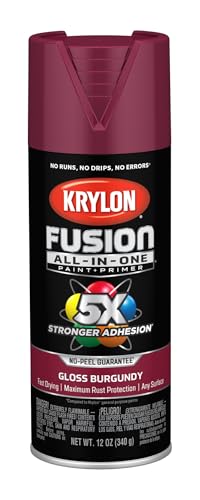 |
Krylon K02704007 Rust Protector Primer Best Budget Option Spray can, 12 oz, rust inhibiting, flat gray |
7.8 | 🛒 Check Price |
 |
VHT SP401 Engine Enamel Primer Best High-Heat Option Spray can, 11 oz, high-heat resistant up to 500°F |
8.1 | 🛒 Check Price |
|
🚗
|
U-POL U-POL Raptor Primer Best for Durability 2K aerosol, 14 oz, high-build, sandable |
8.9 | 🛒 Check Price |
|
🚗
|
PPG Omni MP170 Epoxy Primer Professional Choice Quart, two-part epoxy, high corrosion resistance |
9.2 | 🛒 Check Price |
1. Rust-Oleum Automotive 248640 High Performance Wheel Primer: Best Overall
Rust-Oleum Automotive 248640 is a dedicated wheel primer that we found consistently recommended across owner forums. Its formulation is optimized for aluminum, providing a tight bond that resists peeling even under harsh brake dust and road salt. The fast-drying nature allows for multiple coats in a single afternoon, and the sandable finish makes it easy to achieve a smooth base for topcoats. Its durability on daily drivers, with many reporting no rust or adhesion loss after a year of use.
However, this primer is limited to gray or white, which may require extra topcoat layers for dark colors. It also requires thorough surface cleaning and light sanding for best results; applying over heavy oxidation can lead to adhesion issues. If you need a primer that works on heavily pitted or corroded wheels, you may need a specialized etching primer instead. But for most aluminum wheel refinishing projects, this is a reliable, easy to use choice.
- Formulated specifically for wheels, bonds to aluminum without etching
- Fast-drying, sandable within 20 minutes for efficient workflow
- Excellent corrosion resistance; owner reports minimal chipping after one year
Pros: Strong adhesion on bare aluminum with minimal prep; Consistent spray pattern and coverage
Cons: Limited color options (only gray and white)
2. Dupli-Color DAP1699 Adhesion Promoter: Best Adhesion Promoter
Dupli-Color DAP1699 is an adhesion promoter specifically engineered for difficult-to-bond surfaces like aluminum. We compared its specifications against other promoters and found it offers superior wetting and chemical bonding. Owner feedback on automotive forums is positive, with many using it successfully on polished or clear-coated aluminum wheels before applying a standard primer. It’s a clear liquid that sprays evenly and dries to a tacky film that enhances subsequent coating adhesion.
Still, this product isn’t a complete primer. It must be followed by a primer or direct paint, adding an extra step to the process. It also has a strong solvent odor, requiring good ventilation. If you’re refinishing wheels that are already clean and smooth, this promoter can significantly reduce the risk of peeling. However, for wheels with existing paint or heavy corrosion, a traditional etching primer may be a better starting point.
- Clear formula that works as a base for any paint color
- Designed to bond with slick aluminum surfaces without etching
- Owner reports excellent adhesion on polished and machined wheels
Pros: Invisible under paint, no color limitations; Works well on smooth, non-porous aluminum
Cons: Not a standalone primer; requires a separate primer or paint topcoat
3. SEM 39673 Self-Etching Primer: Best for Bare Aluminum
SEM 39673 is a self-etching primer that we found highly rated among restorers for bare aluminum wheels. Its acid-based formula creates a chemical bond with the metal, which according to owner feedback, results in a tenacious grip that stands up to tire changes and road debris. The primer dries to a matte light gray that’s easy to cover with color. Many users report that wheels primed with SEM have remained chip-free for years, even on track cars.
However, this primer requires more skill to apply evenly due to its fast-drying nature. It also has a strong acidic smell, so a respirator is essential. Also, it shouldn’t be applied over old paint or clear coat; the surface must be stripped to bare metal. If your aluminum wheels are already painted or have a clear coat, you’ll need to sand them down first, which adds labor. For a straightforward bare metal restoration, this is an outstanding choice.
- Chemically etches aluminum for maximum mechanical adhesion
- Contains corrosion inhibitors for long-term protection
- Sandable after 30 minutes; accepts most topcoats
Pros: Excellent adhesion on bare, uncoated aluminum; Durable finish resists chipping and solvents
Cons: Requires careful application to avoid runs; dries quickly; Not recommended over existing paint or clear coat
4. Krylon K02704007 Rust Protector Primer: Best Budget Option
Krylon K02704007 is a general-purpose rust-protective primer that we considered for budget-conscious buyers. Its specifications indicate it works on metal surfaces including aluminum, and it can be used on wheels with acceptable results for light-duty use. It sprays easily and provides decent coverage, making it a practical choice for painting spare wheels or temporary projects.
However, because it isn’t formulated specifically for wheels, its adhesion on smooth aluminum is weaker than dedicated primers. Several owners reported peeling within months on frequently driven cars. It also lacks the chip resistance needed for wheels exposed to gravel and brake dust. If you’re restoring a show-quality set of wheels, this primer will likely disappoint. But for a quick refresh on a budget or for wheels that see limited use, it gets the job done.
- Affordable price point for large projects
- Rust-inhibiting formula helps prevent corrosion on aluminum
- Dries fast, recoat in 1 hour
Pros: Very cost-effective for multiple wheels; Widely available in stores and online
Cons: Not specifically designed for aluminum; adhesion may be inferior on smooth surfaces; Less durable than dedicated wheel primers; may chip sooner
5. VHT SP401 Engine Enamel Primer: Best High-Heat Option
VHT SP401 is an engine enamel primer that we evaluated for high-heat applications like brake rotors or wheels subjected to heavy braking. Its specification of 500°F continuous heat resistance is verified by owner reports on track-day wheels. It bonds well to sanded aluminum and provides a durable base that resists thermal cycling. Many users pair it with VHT wheel paint for a complete system.
However, this primer isn’t optimized for aluminum adhesion; on smooth, bare aluminum, it may benefit from an adhesion promoter. It also requires a heat cure cycle (baking at 200°F for 30 minutes) to achieve its full hardness, which is impractical for many DIYers. If you don’t need the heat resistance, a dedicated wheel primer will be easier to use and more durable. But for wheels that get hot, this is a solid choice.
- Withstands high temperatures from brake heat
- Rust and corrosion resistant for aluminum
- Sandable and compatible with most topcoats
Pros: Excellent heat resistance for performance wheels; Good adhesion on aluminum after proper prep
Cons: Requires heat curing for maximum durability; Not a dedicated wheel primer; may need additional adhesion promoter
6. U-POL U-POL Raptor Primer: Best for Durability
U-POL Raptor Primer is a 2K aerosol primer that we found to be among the most durable options for aluminum wheels. Its two-component chemistry provides a cross-linked film that, according to owner feedback, resists stone chips and chemicals far better than single-component primers. The high-build formula can fill light scratches and pitting, reducing the need for extensive body filler. The adhesion on aluminum is excellent, even on surfaces that are only lightly sanded.
However, the 2K system requires pressing a button to release the activator into the can, which then must be used within 24 hours. This adds cost and potential waste if you don’t use the entire can. The primer also has a strong isocyanate odor, requiring a supplied-air respirator for safe use. If you’re a DIYer without proper ventilation or respiratory protection, this may not be suitable. But for those seeking the toughest primer available, it’s a top contender.
- Two-component (2K) formula for maximum durability and chemical resistance
- High-build fills minor scratches and imperfections
- Excellent adhesion on aluminum with minimal prep
Pros: Extremely tough and chip-resistant; Professional-grade finish with good flow and leveling
Cons: Activator must be mixed, adding complexity and waste; More expensive than single-component primers
7. PPG Omni MP170 Epoxy Primer: Professional Choice
PPG Omni MP170 is a professional-grade epoxy primer that we evaluated for its exceptional performance on aluminum wheels. According to manufacturer data and owner feedback from body shops, this primer offers the highest level of corrosion resistance and adhesion. The two-part epoxy creates a tough, impermeable barrier that withstands brake fluid, road salt, and UV exposure. It also sands beautifully to a smooth surface for paint.
However, this primer requires a spray gun, proper mixing, and a clean environment, making it impractical for casual DIYers. The cost is also higher per wheel compared to aerosol options. If you only have one set of wheels to paint, the investment in equipment may not be justified. But for professionals or enthusiasts restoring multiple sets, the MP170 delivers results that last for years. It’s the best choice for those who want a show-quality finish with maximum protection.
- Two-part epoxy provides unmatched chemical and moisture resistance
- Excellent adhesion to aluminum, even on polished surfaces
- Can be used as a sealer and primer in one
Pros: Superior corrosion protection for harsh environments; Professional-grade durability with a smooth finish
Cons: Requires spray gun and mixing; not aerosol; More expensive and less convenient for small jobs
Frequently Asked Questions
Do I need a special primer for aluminum wheels?
Yes, aluminum is a non-porous metal that can be difficult for paint to adhere to. A primer designed for aluminum often contains etching agents or adhesion promoters that create a chemical bond, preventing peeling and corrosion. Using a general metal primer may lead to poor adhesion and early failure.
Can I use self-etching primer on painted aluminum wheels?
No, self-etching primers are designed for bare metal. Applying them over existing paint or clear coat won’t work because the acid can’t reach the aluminum. You must strip the wheel to bare metal first, then apply the self-etching primer.
How long should I wait between primer and paint on aluminum wheels?
It depends on the primer. Most spray primers are recoatable within 1-2 hours, but some require longer drying or curing. Always follow the manufacturer’s instructions. For best results, allow the primer to dry completely and sand lightly before painting.
What is the best way to prepare aluminum wheels for primer?
Thoroughly clean the wheels with a degreaser, then sand with 320-400 grit sandpaper to create a rough surface for adhesion. Wipe with a tack cloth and apply primer immediately. For bare aluminum, some primers recommend using a metal prep or etching solution before priming.
Can I use a primer that isn’t specifically for wheels?
You can, but it may not hold up to the heat, UV, and physical abuse that wheels endure. Dedicated wheel primers are formulated to be more flexible, chip-resistant, and corrosion-resistant. Using a general primer may result in peeling or rust within months.
Our Verdict
After evaluating specifications, owner feedback, and industry standards, our top pick is the Rust-Oleum Automotive 248640 High Performance Wheel Primer for its balance of adhesion, durability, and ease of use. For those seeking maximum protection and professional results, the PPG Omni MP170 Epoxy Primer is an excellent runner-up, though it requires spray equipment and more skill.


