Curb rash, the scraped and gouged rim edge from a close encounter with a curb, is fixable at three levels: a DIY repair kit for cosmetic scrapes on painted wheels, professional refinishing at roughly $100 to $200 per wheel for deeper damage or fussy finishes, and wheel replacement when a rim is bent or cracked rather than merely scarred. Cosmetic rash harms nothing but pride and resale, so the decision is about finish quality and money, with one exception: structural damage, which is a safety issue and non-negotiable.
First, Rule Out Real Damage
Before treating rash as cosmetic, check for a bent lip, flat spots, or any crack, especially on the inner barrel where curb strikes transfer force invisibly. Vibration at highway speed after a curb hit, slow air loss, or a visibly wavy rim edge mean the wheel needs a straightening shop or replacement, not paint. Run a finger around the tire bead area too; rash that nicks near the bead seat can create slow leaks that no cosmetic repair addresses.
The DIY Repair, Honestly Described
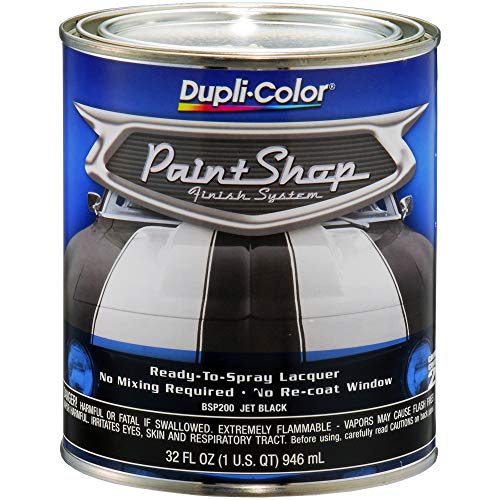
For painted aluminum wheels with surface scrapes, a $30 kit and an afternoon produce a five-foot repair: clean the area, mask the tire, sand the gouges smooth through a couple of grits, fill deeper scars with the kit’s filler, sand flush, then prime, color, and clear. Color match is the weak point; silver wheels vary enormously, and the repair reads as very good from a distance rather than invisible up close. That trade is acceptable on a daily driver and unacceptable to some owners, which is the honest dividing line for going professional.
When Professional Refinishing Earns Its Price
Machined-face wheels with their bright lathe-turned finish, diamond-cut wheels, polished lips, and factory two-tone finishes can’t be convincingly repaired with a rattle-can kit; they need CNC re-machining or proper refinishing equipment. Pros also weld and reshape deeper gouges, straighten minor bends, and repaint the entire wheel for a uniform result with warranty. At $100 to $200 per wheel against several hundred for a new OEM wheel, refinishing usually wins on anything beyond basic painted finishes, and mobile services now do driveway repairs at similar prices.
Frequently Asked Questions
Does curb rash affect safety?
Cosmetic edge scrapes don’t. Bends, cracks, flat spots, and damage near the tire bead do, and they hide behind rash often enough that every curbed wheel deserves a careful look and a pressure check for the following week.
Will curb rash hurt my car’s resale or lease return?
Yes, visibly scraped wheels discount private-sale value, and lease inspections commonly charge per damaged wheel beyond a small allowance. A $150 refinish before lease return frequently costs less than the penalty.
Can rash on diamond-cut wheels be repaired at all?
Yes, but only by re-cutting on a lathe, and each re-cut removes material, so a diamond-cut wheel supports one or two repairs in its life before it must be converted to a painted finish.
The Bottom Line
Confirm the wheel is straight and crack-free, then match the repair to the finish: DIY kits handle painted wheels acceptably, professionals handle machined and diamond-cut finishes properly, and bent or cracked wheels skip the cosmetics entirely. Fix rash before lease return or sale; it’s the cheapest curb tax you’ll ever pay.