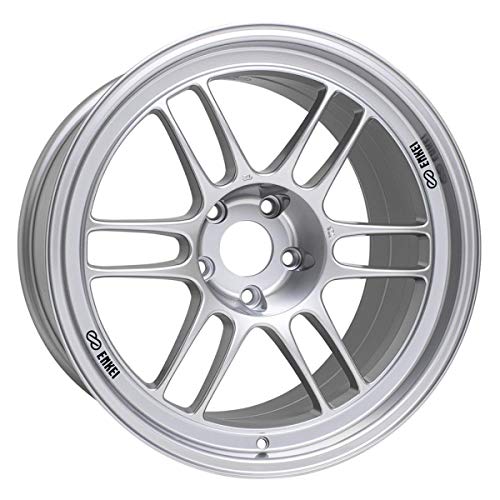
Quality wheel spacers, correctly sized and properly installed, are safe on a daily driver; the horror stories almost always trace back to cheap lug-centric spacers, wrong stud engagement, or installation shortcuts rather than the concept itself. A hub-centric spacer that seats on the hub’s center bore and preserves full thread engagement changes wheel offset the same way a differently offset wheel would. What spacers do add, unavoidably, is leverage on wheel bearings and small changes to steering feel, which is the honest cost of the wider stance.
The Engineering in Brief
A spacer pushes the wheel outward, effectively reducing offset. Hub-centric spacers carry the wheel’s weight on the hub flange exactly as the original wheel did, with lug hardware clamping rather than supporting; lug-centric universal spacers hang everything on the studs, which is where vibration and stud fatigue stories begin. Bolt-on spacers over about 20mm bring their own studs and clamp to the hub first, while slip-on spacers beyond modest thickness require longer wheel studs to preserve engagement. Those distinctions, not spacers versus no spacers, are the actual safety line.
The Real Risks to Respect
Thread engagement is rule one: you need the stud diameter’s worth of thread turns, and a slip-on spacer that steals them demands longer studs, full stop. Cheap cast spacers of unknown alloy can crack; billet 6061 from reputable brands doesn’t. Wider track loads wheel bearings slightly harder and can add steering kickback and tramlining, more noticeable as spacer thickness grows. And fender clearance shrinks: a daily driver that carries passengers and hits bumps loaded needs the tire checked against the fender at full compression, not in the driveway.
Installation Rules That Keep It Boring
Clean the hub face bare-metal clean, since trapped rust acts like a shim that loosens later. Torque spacer bolts and lug nuts to spec with a torque wrench, never an impact guess, and re-torque after 50 to 100 miles, which is the single most skipped and most important step. Use spacers in matched pairs per axle, verify the spacer’s center bore matches your hub and wheel, and skip stacking spacers entirely. Done this way, spacers live quietly for years; skipped, they generate exactly the vibrations and loosening the forums warn about.
Frequently Asked Questions
Do wheel spacers cause bearing failure?
They add measurable but modest bearing load, similar to running lower-offset wheels. On sensible thicknesses with quality parts, bearings live normal lives; very thick spacers on heavy vehicles shorten them somewhat. It’s a wear consideration, not a safety cliff.
Are 5mm slip-on spacers safe without longer studs?
Often yes, if full thread engagement remains, but measure rather than assume: count the turns your lug nuts make with and without the spacer. Anything reducing engagement below the stud diameter’s worth of turns needs longer studs.
Will spacers make my car shake?
Quality hub-centric spacers installed clean and torqued don’t. Vibration after installing spacers means lug-centric parts, a dirty hub face, or missed re-torque, and it should be treated as a warning rather than a personality quirk.
The Bottom Line
Hub-centric, reputable-brand spacers with full thread engagement, clean mounting faces, proper torque, and a re-torque check are daily-driver safe. The stance and clearance benefits are real, the bearing and steering costs are small and honest, and every catastrophic spacer story you have read skipped at least one item in that sentence.