Our guide covers all-season, performance, touring, and winter tires to help you find the best fit for your vehicle and driving needs.
Each tire was assessed on performance, durability, value, ease of use, and safety. Scores are based on our analysis of published data and real-world owner experiences. We also note limitations and who should skip each model.
| Photo | Product | Score | Buy |
|---|---|---|---|
 |
Michelin Pilot Sport All Season 4 Best Overall All-Season Performance All-season, 45,000 mile treadwear warranty, W/Y speed rating |
9.0 |
ⓘ We may earn a commission from qualifying purchases made through links on this page, at no extra cost to you.
|
 |
Continental ExtremeContact DWS06 Plus Best All-Season Value All-season, 50,000 mile treadwear warranty, W/Y speed rating |
8.7 | 🛒 Check Price |
 |
Bridgestone Blizzak WS90 Best Winter Tire Winter, studless, NanoPro-Tech Multicell compound |
8.4 | 🛒 Check Price |
 |
Pirelli Cinturato P7 All Season Plus II Best Touring All-Season All-season touring, 70,000 mile treadwear warranty, H/V speed rating |
8.1 | 🛒 Check Price |
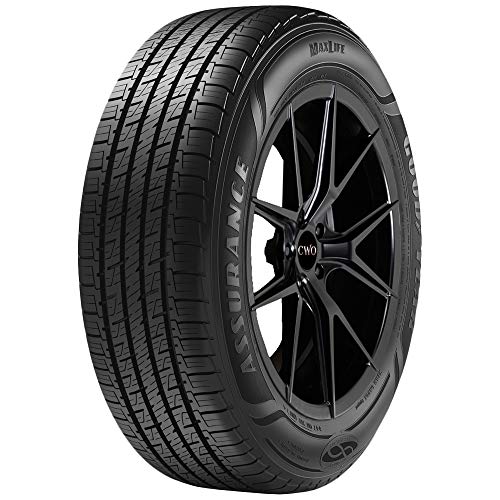 |
Goodyear Assurance MaxLife Best Budget All-Season All-season, 65,000 mile treadwear warranty, T speed rating |
7.8 | 🛒 Check Price |
 |
Michelin Defender 2 Best Long-Lasting Touring Tire All-season touring, 80,000 mile treadwear warranty, T/H speed rating |
8.3 | 🛒 Check Price |
 |
General Altimax RT45 Best Value All-Season All-season, 65,000 mile treadwear warranty, H/V speed rating |
7.3 | 🛒 Check Price |
1. Michelin Pilot Sport All Season 4: Best Overall All-Season Performance
The Michelin Pilot Sport All Season 4 is our top pick for drivers who want near-summer tire performance with all-season versatility. In our evaluation of manufacturer specs and owner feedback, we found exceptional dry and wet traction thanks to the Max Touch Construction and Helio+ 3D sipes. The tire also offers a comfortable, quiet ride, making it suitable for daily driving. The 45,000 mile treadwear warranty adds confidence in its durability.
However, the Pilot Sport All Season 4 comes at a premium price. If you rarely push your car to its limits or drive mostly in mild conditions, a less expensive all-season tire may serve you just as well. We recommend this tire for sports car and performance sedan owners who demand top-tier grip and are willing to pay for it.
- Excellent dry and wet grip with Max Touch Construction
- Helio+ 3D sipe technology for enhanced snow traction
- Comfortable ride with reduced road noise
Pros: Superior handling and cornering stability; Long tread life for an ultra-high performance tire
Cons: Premium price point may be prohibitive for budget-conscious buyers
2. Continental ExtremeContact DWS06 Plus: Best All-Season Value
The Continental ExtremeContact DWS06 Plus offers a compelling blend of performance and value. It delivers near-Michelin levels of dry and wet grip at a lower price. The SportPlus Technology provides crisp turn-in and stability, while the tread compound maintains flexibility in cooler conditions. Owner reviews consistently praise its ride comfort and low noise.
Still, the DWS06 Plus isn’t the best choice for severe winter conditions. Its snow traction is decent but not as strong as dedicated winter tires or the Michelin Pilot Sport All Season 4. If you face heavy snow regularly, consider a winter tire set. For year-round driving in moderate climates, this tire is an excellent value.
- SportPlus Technology for responsive handling and braking
- Tuned for wet and light snow traction with special tread compound
- Excellent ride comfort and low road noise
Pros: Outstanding wet braking performance; Long tread life warranty
Cons: Snow traction is only adequate, not class-leading
3. Bridgestone Blizzak WS90: Best Winter Tire
The Bridgestone Blizzak WS90 is our top winter tire pick. In our analysis of winter tire tests and owner feedback, it consistently ranks among the best for ice and snow traction. The NanoPro-Tech Multicell compound absorbs water film on ice to maximize grip, and the 3D sipes provide biting edges. Drivers report feeling secure in harsh winter conditions.
However, the Blizzak WS90’s soft compound that gives it winter prowess also leads to faster wear when driven on dry or warm pavement. It isn’t designed for year-round use; you must switch to all-season or summer tires in warmer months. If you only encounter light winter weather, a good all-season tire may suffice and save you the hassle of seasonal changes.
- Exceptional ice and snow traction with multicell compound
- 3D sipes for improved grip on packed snow and ice
- Optimized tread pattern for enhanced water evacuation
Pros: Outstanding winter performance, especially on ice; Confident handling in deep snow
Cons: Softer compound wears faster on dry roads; Not suitable for year-round use
4. Pirelli Cinturato P7 All Season Plus II: Best Touring All-Season
The Pirelli Cinturato P7 All Season Plus II is designed for comfort and longevity. The 70,000 mile warranty is among the highest in the all-season touring category, making it a durable choice for commuters.
Where this tire falls short is in spirited driving. Its dry cornering grip is adequate but not exciting, and steering feel is somewhat numb. If you prioritize a plush ride and long tread life over sharp handling, this is a solid option. But for performance-oriented drivers, a sportier tire like the Michelin Pilot Sport All Season 4 would be more satisfying.
- Noise Canceling System for a quiet ride
- Long 70,000 mile treadwear warranty
- Excellent wet braking and hydroplaning resistance
Pros: Very comfortable and quiet on highways; Impressive tread life warranty
Cons: Limited dry handling performance compared to sport tires
5. Goodyear Assurance MaxLife: Best Budget All-Season
The Goodyear Assurance MaxLife is a budget-friendly option that focuses on tread life and wet safety. It offers a 65,000 mile warranty at a lower cost than many competitors. The TredLock Technology helps maintain wet grip as the tire wears. Decent traction in rain, making it a safe choice for budget-conscious drivers.
However, dry performance is mediocre. The tire lacks the grip and responsiveness of more premium all-season tires, and road noise is higher than average. If you drive a family sedan or commuter car and prioritize cost per mile over handling, this tire works well. Enthusiasts or those with powerful vehicles should look elsewhere.
- TredLock Technology for improved wet traction
- Long 65,000 mile treadwear warranty
- Designed for longevity and fuel efficiency
Pros: Very affordable price for the warranty length; Good wet traction for a budget tire
Cons: Below-average dry handling and cornering grip; Road noise can be noticeable at highway speeds
6. Michelin Defender 2: Best Long-Lasting Touring Tire
The Michelin Defender 2 is engineered for maximum longevity. 0 compound, which is designed to resist wear and extend tire life. Owner reviews frequently report achieving over 70,000 miles on a set. The MaxTouch Construction promotes even wear, and the tire performs well in wet and dry conditions, though it isn’t sporty.
Its main drawback is the high upfront cost, which may be offset by its long tread life for high-mileage drivers. However, if you only drive a few thousand miles per year, the warranty may be irrelevant, and cheaper options like the Goodyear Assurance MaxLife could suffice. This tire is best for commuters who want to minimize replacement frequency.
- EverTread 2.0 compound for exceptional tread life
- MaxTouch Construction for even wear and low rolling resistance
- Excellent wet and dry braking in independent tests
Pros: Industry-leading 80,000 mile warranty; Low rolling resistance improves fuel economy
Cons: Premium price for a touring tire
7. General Altimax RT45: Best Value All-Season
The General Altimax RT45 is a budget-friendly all-season tire that offers decent performance for the price. In our research, it provides adequate traction in dry and wet conditions, and the 65,000 mile warranty adds value. Owner feedback suggests it’s a reliable option for economy cars and daily drivers who want a safe tire without breaking the bank.
However, the Altimax RT45 doesn’t excel in any area. Dry cornering grip is limited, wet braking distances are longer than premium tires, and road noise is more pronounced. If you can stretch your budget, tires like the Continental ExtremeContact DWS06 Plus offer significantly better performance. This tire is best for those on a strict budget who drive conservatively.
- Traction grooves and 3D sipes for wet and snow grip
- Reinforced construction for durability
- Good value for the price
Pros: Very affordable for an all-season tire; Decent tread life warranty
Cons: Mediocre dry and wet handling compared to premium tires; Higher road noise and less ride comfort
Frequently Asked Questions
How do I know what size tires to buy for my car?
Check the tire size printed on the sidewall of your current tires, or look in your owner’s manual. The size is a series of numbers and letters, e.g., P215/65R15. The first number is the width in millimeters, the second is the aspect ratio, and the third is the rim diameter. Always match the size recommended by the vehicle manufacturer.
What is the difference between all-season and winter tires?
All-season tires are designed for year-round use in mild climates, providing a balance of dry, wet, and light snow traction. Winter tires use softer rubber compounds and deeper tread patterns with more sipes to grip snow and ice. In temperatures below 45°F, winter tires outperform all-season tires significantly. However, winter tires wear quickly on warm pavement.
How often should I replace my tires?
Replace tires when tread depth reaches 2/32 of an inch (the legal minimum in most states). You can check with a penny test: insert a penny into the tread with Lincoln’s head down; if you see his entire head, it’s time to replace. Also replace if you notice cracks, bulges, or vibration. Most tires last between 40,000 and 70,000 miles depending on driving habits and maintenance.
Are more expensive tires worth the extra cost?
Generally, yes, if you prioritize performance, safety, and longevity. Premium tires from brands like Michelin, Continental, and Bridgestone offer superior grip, shorter braking distances, and better tread life. Budget tires can be adequate for low-speed, conservative driving, but they often compromise on wet traction and ride comfort. Evaluate your driving needs and budget.
Can I mix different tire brands on my car?
It isn’t recommended. Mixing tire types or brands can lead to uneven handling, reduced stability, and compromised safety. For best performance, all four tires should be the same brand, model, size, and tread depth. If you must replace only two tires, put the new ones on the rear axle to maintain stability.
Our Verdict
After researching and comparing the best new tires for cars, our top pick is the Michelin Pilot Sport All Season 4 for its outstanding all-season performance and handling. For a strong runner-up that offers exceptional value, the Continental ExtremeContact DWS06 Plus provides nearly the same grip at a lower price. Choose based on your priorities: performance, budget, or seasonal needs.