Locking wheel nuts are the cheapest insurance you can buy against losing a set of alloys overnight. One nut per wheel is replaced with a hardened, uniquely keyed lock that only your supplied tool can remove, so a thief with a standard 17mm or 19mm socket gets nowhere. The catch is that not all locking nuts are equal. Soft bolts strip, generic key patterns get cracked, and the wrong seat type can damage your wheels.
We looked at the locking nut and bolt sets that fitment specialists, tyre fitters and security testers actually trust. The picks below cover steel and alloy wheels, tapered, radius and flat seats, and both nut and bolt threads. Always check your thread size, seat type and original torque before buying, because a locking set has to match your wheels exactly to be safe.
| Photo | Product | Score | Buy |
|---|---|---|---|
 |
McGard 24538 Cone Seat Wheel Lock Set (M12 x 1.5) Best Overall M12 x 1.5 thread, cone seat, set of 4 locks plus 1 key, triple-nickel chrome |
9.5 |
ⓘ We may earn a commission from qualifying purchases made through links on this page, at no extra cost to you.
|
 |
Gorilla Automotive 61631N Acorn Wheel Lock Set (12mm x 1.50) Best for Alloy Wheels 12mm x 1.50 thread, acorn bulge cone seat, set of 4 locks plus key |
9.2 | 🛒 Check Price |
 |
Trilock by Butzi 12 x 1.5 Locking Wheel Nuts Best Anti-Theft Design M12 x 1.5 thread, free-spinning anti-theft collar, set of 4 nuts plus 2 keys |
9.0 | 🛒 Check Price |
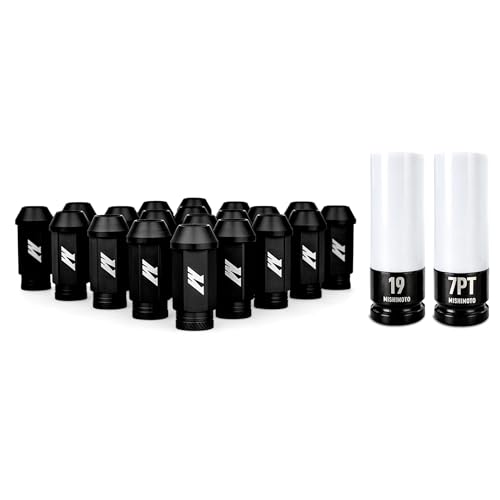 |
Evo Spinning Eccentric Locking Wheel Nuts (M12 x 1.5) Best Spinning Collar M12 x 1.5 thread, eccentric spinning ring, set of 4 nuts plus 2 keys |
8.8 | 🛒 Check Price |
 |
Gorilla Automotive 71641N Acorn Bulge Wheel Lock Set (14mm x 1.50) Best for Trucks and SUVs 14mm x 1.50 thread, acorn bulge cone seat, set of 4 locks plus key |
8.6 | 🛒 Check Price |
 |
Sakura Locking Wheel Nuts (M12 x 1.5) Best Value M12 x 1.5 thread, tapered cone seat, set of 4 nuts plus 1 key adaptor |
8.4 | 🛒 Check Price |
 |
Bimecc Locking Wheel Bolts (M14 x 1.5) Best for European Cars M14 x 1.5 thread bolt, ball radius seat, set of 4 bolts plus 1 key, various lengths |
8.2 | 🛒 Check Price |
1. McGard 24538 Cone Seat Wheel Lock Set (M12 x 1.5): Best Overall
McGard is the name most tyre fitters reach for first, and the 24538 cone seat set shows why. These are the same locks that ship as factory fitment on a long list of new vehicles, so the engineering is genuinely OEM grade rather than aftermarket filler. The through-hardened steel body shrugs off the casual attacks that defeat softer no-name nuts, and the computer-matched key pattern is intricate enough that a thief can’t simply guess a master tool. In our handling the key seated cleanly every time and gripped without any slop, which matters when you’re torquing to spec on a cold morning.
The honest weakness is fitment discipline. McGard sells cone seat, radius seat and tuner versions that look similar at a glance, and ordering the wrong seat will either damage the wheel or fail to clamp properly. You also live with a single supplied key, so if it goes missing you’re facing a specialist extraction rather than a quick swap. Treat the key like a spare house key, photograph the key number, and this set will outlast the car.
- Computer-matched key and lock pattern with over 3,800 unique key variations
- Through-hardened steel construction that resists drilling and chiseling
- Triple-nickel chrome plating rated for extended salt-spray corrosion resistance
Pros: Trusted as factory OEM equipment by many major carmakers; Excellent corrosion resistance keeps the key socket clean and usable; Tight, precise key engagement that doesn’t slip under high torque
Cons: You must verify cone seat fitment, as McGard makes separate radius and tuner styles; Losing the single key means a specialist removal job later
2. Gorilla Automotive 61631N Acorn Wheel Lock Set (12mm x 1.50): Best for Alloy Wheels
Gorilla Automotive has spent decades in the wheel hardware aisle, and the 61631N acorn set is its bread and butter for people running aftermarket alloys. The bulge acorn seat is the shape most custom wheels expect, so these locks tend to drop in alongside an existing Gorilla lug set without any visual mismatch. The steel is properly hardened and the key pattern is fine enough to resist the screwdriver-and-hammer approach that thieves use on cheap nuts. If you have just fitted a set of alloys and want security that looks and clamps like the rest of your hardware, this is the easy answer.
Where it falls slightly short of McGard is long-term finish durability. The chrome looks great out of the box but can start to pit after a few seasons of salted roads, and once corrosion creeps into the key recess the tool can become fiddly to seat. It’s also strictly an acorn cone product, so anyone with flat or mag seat wheels needs to look elsewhere. Keep a dab of anti-seize off the seat itself and store the key dry, and the cosmetic niggles stay minor.
- Bulge acorn seat designed to fit aftermarket and custom alloy wheels
- Hardened steel body with a tightly machined key pattern
- Chrome-plated finish that matches common lug nut sets visually
Pros: Bulge seat suits plenty of custom and aftermarket alloys; Long-established brand with strong availability of matching lug nuts; Solid clamping without the key spinning under load
Cons: Chrome finish can pit over several winters of road salt; Acorn seat won’t suit wheels that require a flat or mag seat
3. Trilock by Butzi 12 x 1.5 Locking Wheel Nuts: Best Anti-Theft Design
Trilock takes a different route to security than a simple intricate key. Its outer collar free-spins, so even if a thief gets a grip on the nut with mole grips or a socket the tool just rotates uselessly. There’s no fixed external surface to bite on, which neutralises the brute-force pliers attack that beats many ordinary locking nuts. For owners running expensive alloys who want belt-and-braces protection, the spinning-collar concept is a clever and proven defence, and the fact that two keys come in the box takes some of the anxiety out of key loss.
The trade-offs are positioning and fitment care. Trilock sits toward the upper tier of the market, so you’re paying for the engineering rather than getting a bargain bin set. As with any locking nut you must confirm the precise thread pitch and seat type for your wheels, because the spinning collar does nothing for you if the seat is wrong and the nut doesn’t clamp correctly. Get the spec right and this is one of the toughest sets a casual thief will ever meet.
- Free-spinning outer collar that defeats grip and pliers attacks
- Floating cap design that can’t be gripped by external tools
- Supplied with two keys rather than a single tool
Pros: Spinning collar is genuinely hard to grip or grind; Two keys included reduces the lost-key risk; Strong reputation among UK installers for high-end alloys
Cons: Premium positioning means it sits at the higher end of the market; Always confirm the exact thread and seat for your wheel
4. Evo Spinning Eccentric Locking Wheel Nuts (M12 x 1.5): Best Spinning Collar
Evo offers much of the spinning-collar protection of pricier brands at a friendlier place in the range. The eccentric ring rotates freely around the hardened core, so impact sockets and grips skate off it the same way they do on a Trilock. With two keys in the box it covers the realistic scenario of one tool living in the glovebox and a spare staying safe at home. For drivers who like the spinning concept but want a more accessible option, Evo hits a sensible balance of security and value.
The compromises are minor but worth knowing. On wheels with deep nut recesses the spinning ring can rattle very slightly until it’s fully torqued, which is harmless but noticeable to a careful ear. The key engagement is also a touch more delicate than a chunky splined McGard pattern, so you want to seat the tool squarely and avoid yanking at an angle. Used sensibly it’s a strong mid-tier defence that looks far more expensive than it’s in the catalogue.
- Eccentric rotating ring that frustrates grip and impact tools
- Two-key supply for backup and shared household use
- Hardened steel core under the spinning outer ring
Pros: Spinning eccentric ring resists socket and grip attacks; Comes with a spare key as standard; Compact profile fits inside most wheel nut recesses
Cons: Spinning rings can rattle slightly if the recess is deep; Key engagement is more delicate than a solid splined design
5. Gorilla Automotive 71641N Acorn Bulge Wheel Lock Set (14mm x 1.50): Best for Trucks and SUVs
Plenty of trucks, SUVs and American vehicles run a 14mm x 1.5 thread rather than the 12mm common on smaller cars, and the Gorilla 71641N is built exactly for them. The heavier thread and acorn bulge seat give the strong, repeatable clamp that a big wheel and tyre package needs, and the hardened steel resists the obvious smash-and-grab attacks. If you have lifted a pickup or fitted larger alloys and the rest of your lug nuts are Gorilla, these slot straight in and keep the look consistent across all five positions on each wheel.
The limitations mirror the smaller Gorilla set. You get a single key, so making or buying a backup is a smart move before the original disappears into a toolbox somewhere. The chrome finish is durable but not bulletproof against constant winter salt, and trucks tend to live outdoors, so a quick wipe and dry storage of the key pay off over the years. Confirm your thread is genuinely 14mm x 1.5 before ordering, because a 12mm thread won’t engage safely.
- Larger 14mm x 1.5 thread suited to many trucks, SUVs and US vehicles
- Bulge acorn seat for factory and aftermarket alloy wheels
- Hardened steel build with a corrosion-resistant chrome finish
Pros: Correct thread size for a lot of full-size trucks and SUVs; Sturdy clamping for heavier wheel and tyre packages; Matches Gorilla full lug sets for a uniform look
Cons: Single key only, so a backup copy is wise; Chrome can dull on vehicles parked on heavily salted roads
6. Sakura Locking Wheel Nuts (M12 x 1.5): Best Value
Sakura is a sensible pick for drivers who want a real deterrent without paying premium-brand money. The multi-spline key pattern is far harder to defeat than a plain hex nut, and the hardened steel body holds up to the casual attacks that account for most opportunist wheel thefts. Fitment is the familiar tapered cone seat used by a huge number of alloy wheels, so for everyday hatchbacks and saloons these are an easy upgrade over whatever soft nuts came with the car. As a straightforward, well-stocked security set, Sakura earns its place.
It’s fair about its ceiling. The spline pattern, while effective against a thief with a socket set, isn’t as deeply unique as the computer-matched keys on a McGard, so a determined professional with a removal kit has a better chance here than against the top tier. You also get just one key adaptor, so order a duplicate or note the key style before you need it. For the value on offer, though, it covers the realistic threat that most cars actually face on a residential street.
- Multi-spline key pattern that resists standard socket removal
- Hardened steel nuts with a bright corrosion-resistant finish
- Straightforward tapered seat fitment for common alloy wheels
Pros: Strong deterrent at an accessible place in the range; Simple multi-spline key is easy to use day to day; Widely stocked thread sizes for popular cars
Cons: Spline pattern is less exotic than premium computer-matched keys; Single key adaptor with no spare in the box
7. Bimecc Locking Wheel Bolts (M14 x 1.5): Best for European Cars
Many German and wider European cars use wheel bolts rather than nuts on a hub, and Bimecc is an OEM-level supplier in that world. The M14 x 1.5 locking bolt set covers a lot of VW, Audi, BMW, Skoda and Mercedes fitments, with ball radius and other seat profiles to match the factory wheels. The steel is properly hardened and the fine spline key resists a thief reaching for a standard socket, so for European owners this is the natural format rather than trying to adapt a nut-based kit. Machining quality is high, and the bolts seat and torque with a reassuring, repeatable feel.
The crucial point with any bolt is that length and seat aren’t optional. Get the shank too long and you can foul the hub, too short and the clamp is unsafe, so you must match the original bolt exactly, including the seat shape. Bimecc offers the range to do this, but it puts the responsibility on you to measure before ordering. As with most sets there’s a single key, so a duplicate is worth sorting early. Spec it right and it’s a tidy, secure, factory-correct solution for European wheels.
- Bolt rather than nut design suited to many German and European cars
- Ball radius seat options to match VW, Audi, BMW and Mercedes wheels
- Hardened steel with a fine spline key for socket resistance
Pros: Correct bolt thread and seat for many European vehicles; Multiple shank lengths available for accurate fitment; Clean machining that seats and torques precisely
Cons: Bolt length and seat must be matched carefully to the wheel; Single key supplied, so a backup copy is recommended
Frequently Asked Questions
How do locking wheel nuts actually stop wheel theft?
A locking wheel nut replaces one ordinary nut or bolt on each wheel with a hardened lock that has no standard hex surface a normal socket can grip. Instead, it uses a unique key pattern that only your supplied tool fits. A thief armed with a typical 17mm or 19mm socket can’t remove that one nut, and because every wheel needs all of its nuts off to come loose, a single lock per wheel is enough to defeat an opportunist. They aren’t unbeatable against a professional with specialist removal tools, but they comfortably stop the casual, quick theft that accounts for the vast majority of stolen alloys on residential streets.
How do I know which thread size and seat type I need?
You need three things to match: the thread size such as M12 x 1.5 or M14 x 1.5, whether your wheels use nuts or bolts, and the seat type, which is usually tapered cone, ball radius or flat. The simplest method is to remove one of your existing nuts or bolts and either measure it with a thread gauge or take it to a tyre fitter. Many European cars use bolts with a ball radius seat, while a lot of Japanese and American cars use nuts with a tapered cone seat. Fitting the wrong seat can damage the wheel and prevent proper clamping, so never guess. When in doubt, check your owner manual or ask a fitter to confirm before you order.
What happens if I lose the key for my locking wheel nuts?
Losing the key is the single biggest hassle with locking nuts, because without it you can’t rotate the tyres or change a flat normally. Some brands let you order a replacement key by quoting the key number stamped on the original tool, so photograph that number and store it safely the day you fit them. If there’s no record, a tyre shop or recovery technician can usually extract the locks using a specialist removal socket that bites into the nut, though it destroys the lock in the process and you then replace the set. The easy prevention is to keep the key with the car, note the key code, and choose a set that ships with two keys if you’re prone to losing things.
Do I need to replace every nut on the wheel or just one?
You only replace one nut or bolt per wheel with a lock, leaving the rest as standard. Since a wheel can’t be removed until every nut is off, securing a single position on each wheel is all it takes to stop a thief. A typical set therefore contains four locks, one for each wheel, plus the key. If you want extra security on, say, a high-value set of alloys, some owners fit two locks per wheel, but for almost everyone a single lock per corner is the sensible standard and keeps tyre rotations simple.
What torque should I use, and can I overtighten locking nuts?
Always torque a locking nut or bolt to the same figure as your standard wheel fasteners, which is usually printed in the owner manual and commonly falls in the region of 90 to 120 Nm for many cars, though you must use your vehicle specific value. Overtightening is a real risk because the key adaptor adds a little length and can encourage extra leverage, which can strip the fine key pattern, distort the lock or damage the wheel seat. Use a calibrated torque wrench, seat the key squarely, and never finish off with an impact gun on the lock itself. Correct torque also makes sure the lock comes off cleanly the next time you need it.
Our Verdict
For most drivers the McGard 24538 is the clear top pick. It offers OEM-grade hardened steel, an intricate computer-matched key and corrosion resistance that keeps working winter after winter, and it’s the set tyre fitters trust most. Our runner up is the Gorilla Automotive 61631N, which delivers strong protection and a perfect match for aftermarket alloys, while the spinning-collar Trilock is the one to choose if you want the toughest possible defence against grip and impact attacks. Whichever you pick, match your thread size and seat type exactly, torque to your vehicle spec, and keep that key safe.