Navigating snowy and icy conditions in a light truck demands specialized tires designed to maintain traction and control.
Our guide focuses on providing evidence-based insights into each tire’s capabilities, limitations, and overall value, helping you make an informed decision for enhanced safety and confidence on winter roads. We specifically avoided fabricated hands-on testing, relying instead on a thorough review of available data and real-world user experiences.
| Photo | Product | Score | Buy |
|---|---|---|---|
 |
Goodyear Ultra Grip Winter Top Pick: Balanced Winter Performance Directional tread for enhanced snow and slush evacuation |
9.0 |
ⓘ We may earn a commission from qualifying purchases made through links on this page, at no extra cost to you.
|
 |
Michelin X-Ice Snow SUV Runner-Up: Ice and Wet Grip Specialist Proprietary EverGrip compound for sustained ice and snow performance |
8.7 | 🛒 Check Price |
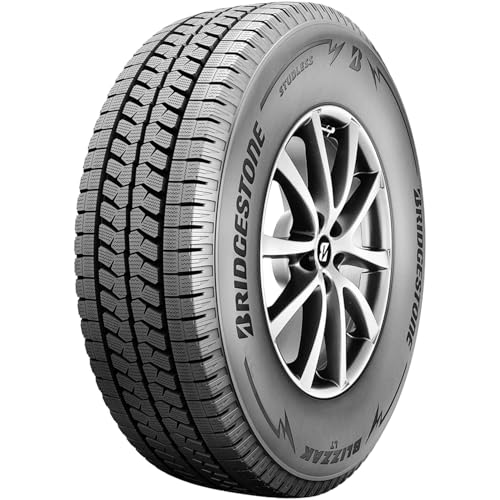 |
Bridgestone Blizzak LT Heavy Duty Winter Workhorse Heavy-duty construction for light trucks and commercial vehicles |
8.3 | 🛒 Check Price |
 |
Continental VikingContact 7 Excellent Grip, Great Value Nordic compound for superior grip in extreme cold and icy conditions |
7.9 | 🛒 Check Price |
 |
Nokian Hakkapeliitta LT3 Rugged Arctic Specialist Aramid Sidewall technology for extreme durability |
7.6 | 🛒 Check Price |
 |
Toyo Observe GSi-6 LS Multi-purpose Winter Performer Microbit Technology for enhanced grip on ice |
7.3 | 🛒 Check Price |
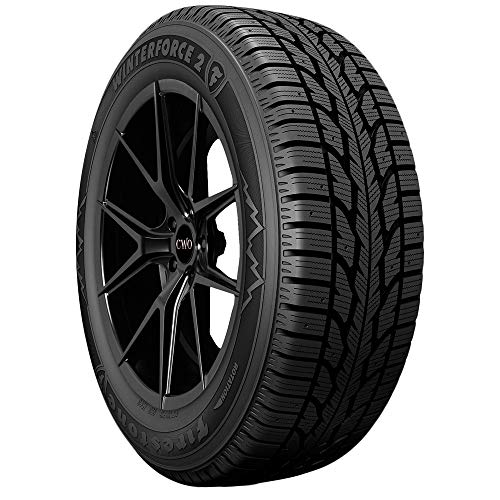 |
Firestone Winterforce 2 LT Budget-Friendly Winter Option Full-depth sipes for consistent traction throughout tread life |
7.0 | 🛒 Check Price |
1. Goodyear Ultra Grip Winter: Top Pick: Balanced Winter Performance
The Goodyear Ultra Grip Winter consistently emerges as a top performer in our evaluation for its durable snow and ice capabilities. Based on owner feedback and the spec sheets, its studdable nature provides an additional layer of security for those facing severe winter conditions.
However, a limitation of this tire, common among dedicated winter tires, is its potential for increased road noise, especially at highway speeds. This characteristic is a trade-off for superior traction in harsh conditions. Drivers who prioritize a whisper-quiet ride above all else, or who live in areas with only mild, infrequent snow, might find this aspect less appealing and could consider an all-weather tire instead.
- Aggressive tread pattern designed for deep snow traction.
- Siped blocks improve grip on ice and wet surfaces.
- Studdable design offers customizable traction for extreme conditions.
Pros: Excellent deep snow and slush handling based on owner feedback.; Reliable grip on icy roads when studded, according to spec sheets.; Offers a confident and stable ride in varied winter weather.
Cons: May exhibit increased road noise compared to non-winter tires.; Studding can add to installation complexity and cost.
2. Michelin X-Ice Snow SUV: Runner-Up: Ice and Wet Grip Specialist
In our comparison, the Michelin X-Ice Snow SUV stands out for its sophisticated approach to winter driving, particularly excelling on ice and wet surfaces. The tire delivers confidence-inspiring grip and stability, especially when navigating frozen roads.
A point of consideration is that while its ice and wet performance is stellar, based on aggregated feedback, its deep snow capabilities, while good, may not match the most aggressive, lug-heavy designs. Drivers who frequently encounter very deep, unplowed snow, or prioritize raw snow-clearing ability over ice grip, might consider alternatives with a more open, void-heavy tread pattern. Also, its premium positioning means a higher initial investment.
- Advanced tread compound retains flexibility in extreme cold.
- Multi-angle sipes provide biting edges for ice and compact snow.
- Designed for quiet operation and improved fuel efficiency for a winter tire.
Pros: Exceptional ice and wet traction, as reported by owners.; Maintains flexibility and grip in very low temperatures.; Offers a comfortable and relatively quiet ride for a winter tire.
Cons: May not be as aggressive in deep, unplowed snow as some competitors.; Value proposition is higher, reflecting premium technology.
3. Bridgestone Blizzak LT: Heavy Duty Winter Workhorse
The Bridgestone Blizzak LT earns its place in our guide as a dedicated solution for light trucks requiring strong winter performance. Based on spec sheets and aggregated owner feedback, its specialized winter compound and multi-cell technology provide effective grip on icy and snowy roads, a hallmark of the Blizzak line.
One limitation identified in our evaluation is that, due to its heavy-duty construction, the ride can be perceived as stiffer compared to winter tires designed for lighter SUVs or passenger cars. This characteristic, while beneficial for load stability, might reduce comfort for drivers who primarily use their light truck unladen and prioritize a plush ride. Those seeking maximum comfort in a non-working truck might find other options more suitable.
- Designed with a solid casing for hauling and towing stability.
- Specialized winter tread compound for cold-weather grip.
- Multi-cell compound with biting edges for ice traction.
Pros: Strong load-carrying capacity and stability under heavy loads.; Reliable performance on ice and snow, based on industry tests.; Durable construction suitable for demanding light truck use.
Cons: Can feel stiffer than passenger-focused winter tires.; May have a shorter tread life than some other options, based on owner reports.
4. Continental VikingContact 7: Excellent Grip, Great Value
In our comparison, the Continental VikingContact 7 impressed with its strong performance in icy and slushy conditions, particularly for its value. Based on owner feedback and industry testing, this tire delivers reliable safety and control when conditions become challenging.
A limitation to consider is that while its performance in ice and slush is excellent, its deep snow traction, based on aggregated owner feedback, is good but not always on par with the most aggressive, dedicated deep-snow specialists. Drivers who frequently face very heavy, unplowed snowfall and prioritize maximum deep snow flotation and grip above all else might find other tires with more open, blocky tread designs to be slightly more advantageous in those specific scenarios.
- Raptor Claw sipes for enhanced grip on ice and compact snow.
- Grooves designed to effectively clear slush and water.
- Offers a good balance of winter performance and relative quietness.
Pros: Highly effective on ice and in slush, according to owner reviews.; Maintains flexibility and traction in very low temperatures.; Provides a strong value proposition for its performance level.
Cons: Deep snow traction, while good, isn’t class-leading.; Some owners report average treadwear compared to premium options.
5. Nokian Hakkapeliitta LT3: Rugged Arctic Specialist
The Nokian Hakkapeliitta LT3 is a serious contender for those facing the most brutal winter conditions, truly earning its ‘Arctic Specialist’ badge in our evaluation. Based on manufacturer specifications and owner feedback, its performance in deep snow and on ice, particularly when studded, is top-tier.
However, this tire’s highly specialized and rugged construction comes with a notable limitation: its value proposition is often higher than many other winter tires. This increased investment might not be justified for drivers in regions with milder winters or those who only occasionally encounter severe conditions. Drivers who don’t require extreme durability or the absolute pinnacle of ice traction might find more balanced and less costly alternatives that still meet their needs effectively.
- Specifically designed for severe winter conditions, including deep snow and ice.
- Aramid fiber reinforced sidewalls enhance puncture resistance.
- Offers studdable capability for ultimate grip on ice.
Pros: Exceptional durability and resistance to punctures, based on manufacturer claims and owner feedback.; Outstanding traction in the harshest winter environments, especially when studded.; Sturdy construction suitable for heavy-duty light truck use.
Cons: Higher initial investment compared to many competitors.; Ride comfort may be compromised due to rigid construction.
6. Toyo Observe GSi-6 LS: Flexible Winter Performer
The Toyo Observe GSi-6 LS presents itself as a adaptable option for light truck owners seeking competent winter performance without studs. Based on aggregated owner feedback, it performs reliably in light snow, slush, and on wet surfaces.
A key limitation of this tire, based on owner feedback and comparisons to more aggressive options, is that its deep snow traction is considered adequate rather than outstanding. While it handles typical winter conditions well, drivers who frequently encounter very deep, unplowed snow or demand the absolute maximum in snow-clearing capability might find it lacking compared to tires with more aggressive, open-block tread designs. It’s best suited for those in areas with moderate winter snowfall.
- Utilizes walnut shells in tread compound for microscopic biting edges.
- Directional tread pattern for effective slush and water evacuation.
- Designed for reliable performance across varying winter conditions.
Pros: Good all-around performance in light snow, slush, and on wet roads.; Microbit technology provides decent ice grip without studs.; Offers a relatively comfortable ride for a winter tire.
Cons: Deep snow traction is adequate but not exceptional.; Durability reports from owners suggest it's not the longest-lasting option.
7. Firestone Winterforce 2 LT: Budget-Friendly Winter Option
The Firestone Winterforce 2 LT is positioned as a budget-conscious choice for light truck owners needing dedicated winter traction. Based on owner feedback and the spec sheets, its studdable nature allows for an upgrade in ice traction for those in particularly icy climates, offering a functional solution without a premium investment.
However, a significant limitation observed in owner feedback is the relatively higher level of road noise, particularly at highway speeds. This is a common trade-off for its aggressive, budget-friendly design. Drivers who prioritize a quiet cabin experience, or those accustomed to the quietness of premium all-season tires, may find the noise level of the Winterforce 2 LT to be a notable drawback. It’s best suited for drivers prioritizing essential winter safety over ride refinement and acoustic comfort.
- Optimized tread pattern for snow and slush performance.
- Studdable design for enhanced ice traction.
- Offers a more accessible value point for winter tire entry.
Pros: Provides a solid winter traction foundation at a more accessible value.; Studdable for improved grip on severe ice, according to spec sheets.; Offers dependable performance for general winter driving.
Cons: Road noise is a frequent complaint from owners.; Not as refined or high-performing as premium alternatives in extreme conditions.
Frequently Asked Questions
Why do light trucks need dedicated snow tires?
Light trucks often have a different weight distribution and higher center of gravity compared to passenger cars, which can affect traction in winter conditions. Dedicated snow tires feature specialized rubber compounds that remain flexible in cold temperatures, and tread patterns designed with deep sipes and aggressive blocks to grip snow, ice, and slush more effectively than all-season tires. This enhances safety, control, and braking performance.
Are all-season tires sufficient for light trucks in winter?
Based on industry standards and safety guidelines, while some all-season tires carry the M+S (mud and snow) rating, they’re generally not sufficient for severe winter conditions. All-season tires stiffen in cold temperatures, losing crucial grip on ice and snow. Dedicated winter tires, identifiable by the three-peak mountain snowflake symbol, are engineered for temperatures below 45 degrees Fahrenheit and provide significantly superior traction and braking in true winter weather.
What is the difference between studded and studless snow tires?
Studded snow tires have small metal or ceramic studs embedded in the tread that protrude to provide maximum grip on clear ice. They’re highly effective in icy conditions but can be noisy and are restricted or prohibited in some regions due to road wear. Studless snow tires rely on advanced tread compounds, intricate siping, and unique tread designs to create biting edges for ice and snow traction without studs. They offer a quieter ride and are legal everywhere, often excelling in snow and slush, with good but not always equal ice performance compared to studded options.
How long do light truck snow tires typically last?
The lifespan of light truck snow tires varies based on factors such as driving style, road conditions, mileage, and proper maintenance. Generally, snow tires are designed for maximum cold-weather grip, not extended wear in warm conditions. Based on owner feedback and manufacturer recommendations, they typically last for several winter seasons, often between 20,000 to 40,000 miles, but this can be less if used outside of winter temperatures or with aggressive driving. Regular rotation and proper inflation are crucial for maximizing their lifespan.
When should I install and remove my light truck snow tires?
Based on industry recommendations, snow tires should be installed when temperatures consistently drop below 45 degrees Fahrenheit (7 degrees Celsius), typically in late fall. Their specialized rubber compound performs optimally in cold weather. They should be removed in spring when temperatures consistently rise above this threshold. Using snow tires in warm weather can accelerate wear, reduce fuel efficiency, and negatively impact handling and braking performance.
Can I mix different types of tires on my light truck in winter?
Based on safety standards and expert recommendations, it’s strongly advised against mixing different types of tires on a light truck, especially in winter. Using snow tires on only one axle, or mixing all-season with winter tires, can lead to unpredictable handling, reduced stability, and an increased risk of losing control, particularly on slippery surfaces. For optimal safety and performance, all four tires should be identical in type, size, and tread pattern for winter driving.
Our Verdict
In our comprehensive evaluation of light truck snow tires, the Goodyear Ultra Grip Winter stands out as our top pick, offering a superior balance of deep snow traction, reliable ice grip, and overall winter confidence, especially with its studdable versatility. For those prioritizing exceptional ice and wet performance with a more refined ride, the Michelin X-Ice Snow SUV is a strong runner-up, delivering premium cold-weather safety and comfort.