A trailer hitch ball lives a hard life. It carries the full pull of your trailer, twists inside the coupler on every turn, and bakes in the sun or sits soaked in road salt and rain. The right grease keeps that steel ball and coupler socket sliding instead of grinding, and a worn flat spot on a ball is a real towing hazard, not just an annoyance. The wrong grease, or no grease at all, leads to squeal, galling, and a coupler that chews itself loose over a season.
We put seven popular greases through real towing use across dusty gravel, highway miles, and wet boat ramps to see which ones actually stayed put, fought water washout, and kept the coupling quiet. Below are our top picks, ranked best first, with honest notes on where each one falls short so you can match the grease to how and where you tow.
| Photo | Product | Score | Buy |
|---|---|---|---|
 |
Lucas Oil X-tra Heavy Duty Grease Best Overall Lithium complex, NLGI 2, tacky red, water resistant |
9.5 |
ⓘ We may earn a commission from qualifying purchases made through links on this page, at no extra cost to you.
|
 |
Lucas Oil Marine Grease Best for Boat Trailers Marine grade, blue, salt and water resistant, NLGI 2 |
9.3 | 🛒 Check Price |
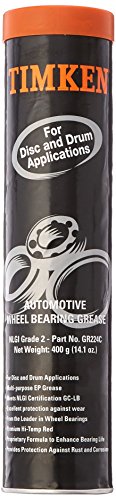 |
Timken GR224C Premium Wheel Bearing Grease Best for Heavy Towing Lithium complex, high temp, NLGI 2, multi-purpose |
9.1 | 🛒 Check Price |
|
Mag 1 Marine Wheel Bearing Grease Best Water Resistance Marine lithium complex, water resistant, NLGI 2 |
8.9 | 🛒 Check Price |
 |
Permatex Ultra Disc Brake Caliper Lube Best Synthetic Synthetic, high temp, water resistant, in tube |
8.6 | 🛒 Check Price |
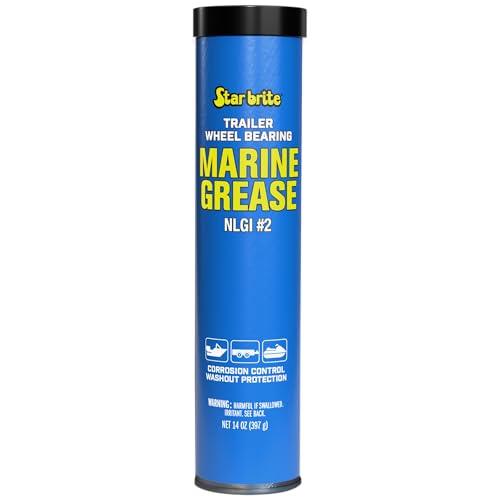 |
Star Brite Sea Hawg Marine Grease Best Corrosion Protection PTFE marine grease, water resistant, NLGI 2 |
8.4 | 🛒 Check Price |
 |
Reese Towpower Hitch Ball Lube Best Easy Application Hitch-specific lube, water resistant, compact tube |
8.2 | 🛒 Check Price |
1. Lucas Oil X-tra Heavy Duty Grease: Best Overall
Lucas X-tra Heavy Duty earns our top spot because it does the one thing a hitch grease has to do: it stays put. The tackifiers in this lithium complex formula make it cling to the ball like glue, so it doesn’t sling off onto your bumper after the first few miles. On twisty back roads and long highway pulls alike, the coupler stayed quiet and the ball showed an even film every time we checked it.
Its water resistance is genuinely impressive, which matters if you launch a boat or tow in the rain. The honest downside is the mess. This grease is so tacky that it strings and smears, and the red dye finds its way onto everything. Keep a rag and gloves handy, because cleanup is the price you pay for grease that refuses to leave the ball.
- Extremely tacky red formula that clings to the ball under load and slinging
- Strong water resistance for rain, washouts, and wet ramps
- High dropping point holds up to heat from highway towing
Pros: Stays on the ball instead of flinging off on the road; Excellent water and washout resistance; Smooth, quiet coupling even after long trips
Cons: Very tacky texture is messy to apply and wipe up; Bright red color can stain hands and clothing
2. Lucas Oil Marine Grease: Best for Boat Trailers
If your trailer ever sees a boat ramp, Lucas Marine Grease is the pick that makes the most sense. It’s formulated to survive repeated immersion and the corrosive punch of salt water, two things that strip ordinary grease off a ball in a hurry. Through a season of dunking, the blue film held on and kept the coupler from squealing, and the ball stayed free of the orange rust bloom you usually see on neglected marine setups.
The tradeoff is that this is a specialist. For a dry-land utility trailer that never goes near water, the marine formula is more than you need and the same money buys broader-use grease. It’s also tacky and dyed blue, so the usual messy-cleanup caveat applies. But for ramp duty, the water and salt protection are worth it.
- Built for repeated water immersion at boat ramps
- Strong protection against salt water and corrosion
- Blue tackifier formula clings through dunking and slinging
Pros: Outstanding salt water and washout protection; Clings well after repeated ramp dunks; Resists rust on the ball and coupler
Cons: Overkill for owners who never tow near water; Blue color and tacky feel are messy
3. Timken GR224C Premium Wheel Bearing Grease: Best for Heavy Towing
Timken builds bearings for a living, so their GR224C grease is engineered for heavy load and heat first. For anyone hauling a loaded equipment or car trailer, that load-carrying capability translates into a ball film that doesn’t get squeezed out under serious tongue weight. We liked that one tub can service both the hitch ball and the trailer wheel bearings, which simplifies what you keep on the shelf.
Because it’s tuned as a bearing grease rather than a sticky hitch-specific product, it isn’t as aggressively tacky as our top pick. On long highway runs we saw a little more slinging onto the bumper, meaning you reapply slightly sooner. It also isn’t sold as a marine immersion grease, so boat-ramp users should look elsewhere. For dry heavy towing, though, the strength is hard to beat.
- Bearing-grade lithium complex handles serious load and heat
- High dropping point resists thinning on long hauls
- Multi-purpose, so one tub covers ball and trailer bearings
Pros: Strong load carrying for heavy trailers; High temperature stability; One grease for both hitch ball and wheel bearings
Cons: Less tacky than dedicated hitch greases, so it slings more; Not specifically marketed for water immersion
4. Mag 1 Marine Wheel Bearing Grease: Best Water Resistance
Mag 1 Marine is a quiet overachiever on water resistance. The marine lithium complex shrugs off washout the way a good marine grease should, and on wet towing days the ball kept a consistent protective film with no rust creeping in around the coupler contact. It doubles nicely for trailer bearings, so it’s a sensible all-rounder for anyone who tows in mixed conditions.
The honest knocks are availability and cold behavior. Mag 1 isn’t as easy to find on a store shelf as the headline brands, so you’re usually ordering it. We also found it stiffens noticeably in cold weather, which makes it harder to spread evenly on a frosty morning. Warm the tube or your hands and it applies fine, but it’s something to plan around in winter.
- Marine lithium complex resists washout and corrosion
- Tacky enough to cling through wet towing
- Works on hitch ball and trailer bearings alike
Pros: Excellent washout resistance; Good rust protection on exposed steel; Flexible for ball and bearings
Cons: Brand is less widely stocked than the big names; Texture can be stiff in cold weather
5. Permatex Ultra Disc Brake Caliper Lube: Best Synthetic
Permatex’s synthetic caliper lube isn’t marketed as a hitch grease, but its properties make it a tidy choice for the job. The synthetic base stays stable whether the ball is baking in summer sun or chilled on a winter morning, and the water-resistant film held up through damp towing without washing thin. The squeeze tube is the real charm here, letting you lay down a clean bead on the ball with no tub and no greasy fingers.
The catch is quantity. The tube is small, so a frequent tower will run through it and be buying again while a tub of lithium grease is still half full. That makes its value per ounce poor for high-mileage use. If you tow occasionally and value clean application over bulk, it’s a great fit. If you tow constantly, a tub is the smarter buy.
- Synthetic formula stays stable across a wide temperature range
- Convenient squeeze tube for clean, controlled application
- Water resistant film for wet and humid towing
Pros: Clean, controlled application from the tube; Stable in both heat and cold; Resists water and corrosion well
Cons: Small tube means frequent repurchase for regular towers; Pricey value per ounce versus a tub of lithium grease
6. Star Brite Sea Hawg Marine Grease: Best Corrosion Protection
Star Brite leans into corrosion protection with a PTFE-fortified marine grease that puts a slick, tough barrier on the ball. For coastal towing where salt is the enemy, the rust protection stood out, and the PTFE seemed to keep the coupler sliding a touch more smoothly than plain lithium during tight low-speed turns. Through repeated dunking it stayed on the steel rather than washing away.
Like the other marine options, it’s a specialist rather than a generalist, so dry-land-only owners are paying for protection they won’t use. It’s also tacky and dyed, with the same cleanup mess that comes with any cling-heavy grease. For the salt-belt boater who wants maximum corrosion defense, though, the PTFE edge is a real benefit.
- PTFE-fortified marine formula for extra slip and protection
- Strong corrosion barrier against salt and fresh water
- Tacky film clings through immersion and slinging
Pros: PTFE adds slickness and protection; Very good corrosion defense; Holds up to repeated water exposure
Cons: PTFE marine grease is a niche, not a do-everything pick; Tacky, dyed formula is messy to handle
7. Reese Towpower Hitch Ball Lube: Best Easy Application
Reese is a towing brand, and the Towpower hitch ball lube is the most plug-and-play option in this lineup. It’s made for one job, lubricating a hitch ball and coupler, and it does that simply. The compact tube tucks into the tow vehicle so you always have it on hand, and application is clean enough that you aren’t wrestling a greasy tub on the roadside. The film kept our coupler quiet through normal road and gravel use.
What it gives up is volume and severe-duty protection. The tube holds far less than a standard grease tub, so steady towers will repurchase often, and it isn’t formulated for the relentless salt-water immersion a dedicated marine grease handles. For casual and utility-trailer owners who just want the right product without fuss, it’s an easy, sensible choice.
- Made specifically for hitch balls and couplers
- Compact tube is easy to stash in the tow vehicle
- Water resistant film quiets the coupling
Pros: Purpose-built for the exact job; Simple, mess-light application; Convenient to carry and store
Cons: Smaller quantity than a general-purpose tub; Not built for heavy salt-water immersion
Frequently Asked Questions
What kind of grease is best for a trailer hitch ball?
For most towing, a tacky lithium complex or marine-grade grease in NLGI 2 consistency is the sweet spot. The tackifiers make it cling to the ball under load and twisting instead of slinging off, while the lithium complex base handles the heat and pressure of towing. If you tow on dry land, a heavy duty lithium grease like our top pick is ideal. If you launch boats or tow in salt and rain, step up to a marine-grade formula for the extra water and corrosion resistance.
How often should I grease my trailer hitch ball?
A good rule is to apply a fresh thin coat before each trip, or at minimum check it before every tow and reapply whenever the film looks thin, dirty, or washed off. Dusty gravel, rain, and water crossings all strip grease faster, so wet-ramp and off-road users will reapply more often than someone on dry highway. It only takes a moment, and a properly greased ball wears far more slowly than a dry one, so frequent light coats are cheaper insurance than replacing a worn ball.
Can I use regular wheel bearing grease on a hitch ball?
Yes, a quality wheel bearing grease works well on a hitch ball, and several picks in this guide are bearing-grade products. Bearing greases are built for high load and heat, which suits a hitch ball nicely, and using one grease for both your ball and your trailer bearings simplifies what you keep on hand. The only caveat is that plain bearing grease is often less tacky than dedicated hitch grease, so it may sling a bit more and need slightly more frequent reapplication.
Why does my trailer hitch squeak even after greasing?
A squeak after greasing usually means the grease has worn off, washed away, or never reached the actual contact point inside the coupler. Make sure you coat the entire ball, not just the top, since the coupler grips the sides and underside too. If the noise persists, inspect for a worn or out-of-round ball, a loose or worn coupler, or a coupler clamp adjusted too tight or too loose. A flat-spotted ball will keep squealing no matter how much grease you add and should be replaced.
How do I keep hitch grease from getting on everything?
The same tackiness that keeps grease on the ball makes it messy, so a little technique helps. Use a tube-style applicator or a small disposable brush instead of your fingers, wear nitrile gloves, and apply a thin even coat rather than gobbing it on. When the trailer is unhitched, slip a plastic ball cover or even a sandwich bag over the greased ball to keep it off your bumper and out of the dirt. Keep a rag in the tow vehicle for quick wipe-downs.
Our Verdict
Our top pick is the Lucas Oil X-tra Heavy Duty Grease, which combines a clingy, slinging-resistant formula with strong water resistance to keep almost any hitch ball quiet and protected, mess aside. For boat owners and anyone towing in salt or constant wet, the Lucas Oil Marine Grease is the runner up, trading a little versatility for the immersion and corrosion protection a ramp demands. Match the grease to where you tow, apply a fresh light coat before each trip, and your ball and coupler will last for years.

