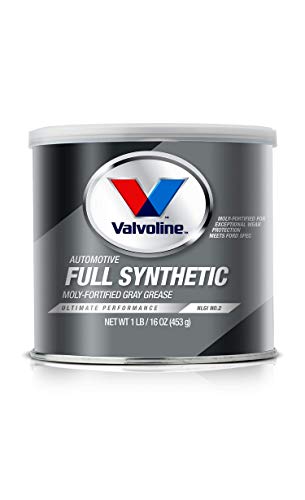
Heavy equipment lives and dies on its grease. Excavator pins, dozer bushings, loader joints, and pivot points all take shock loading and ground pressure that ordinary chassis grease simply can’t handle. That’s where moly grease, grease fortified with molybdenum disulfide, earns its place. The moly plates onto metal surfaces and keeps a protective film in place even when the oil film gets squeezed out under extreme pressure, which is exactly what happens in a pin and bushing under a full bucket of dirt.
We looked at the moly greases operators actually reach for on the job, focusing on moly percentage, base oil viscosity, dropping point, water washout resistance, and how cleanly they pump through a grease gun in cold weather. Every pick below is a real product you can buy on Amazon today. We avoided talking about value in terms of any number, because the right grease is the one that keeps your machine off the wrench, not the one that wins a spec sheet on paper.
| Photo | Product | Score | Buy |
|---|---|---|---|
 |
Lucas Oil X-tra Heavy Duty Grease Best Overall NLGI 2 lithium complex, moly fortified, dropping point near 540F |
9.5 |
ⓘ We may earn a commission from qualifying purchases made through links on this page, at no extra cost to you.
|
 |
Mystik JT-6 High Temp Grease Best for High Heat NLGI 2 lithium complex with moly, dropping point above 550F |
9.3 | 🛒 Check Price |
 |
Valvoline Crimson Grease Best Water Resistance NLGI 2 lithium complex, moly and EP, strong water washout rating |
9.1 | 🛒 Check Price |
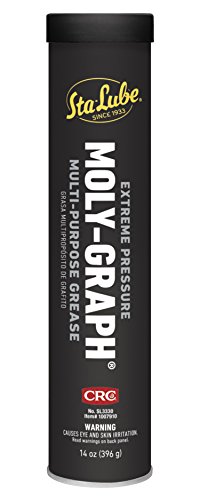 |
Sta-Lube Moly-Graph Multi-Purpose Grease Best Moly Content NLGI 2 lithium, fortified with molybdenum disulfide and graphite |
9.0 | 🛒 Check Price |
 |
Lucas Oil Red N Tacky Grease Best All-Around Value NLGI 2 lithium, tacky EP formula, available in moly fortified version |
8.8 | 🛒 Check Price |
 |
Mobil Mobilgrease XHP 222 Special Best for OEM Specs NLGI 2 lithium complex, 3 percent moly, dropping point above 530F |
8.6 | 🛒 Check Price |
 |
Super Lube Synthetic Grease with Syncolon Best Synthetic Option NLGI 2 synthetic PTFE fortified grease, wide temperature range |
8.2 | 🛒 Check Price |
1. Lucas Oil X-tra Heavy Duty Grease: Best Overall
Lucas X-tra Heavy Duty is the grease we would hand to an operator who runs a mixed fleet and wants one cartridge that does almost everything. The lithium complex base gives it a genuinely high dropping point, so it doesn’t run out of the joint on a hot dozer working all afternoon, and the moly content gives it the extreme pressure film that pins and bushings need. It’s tacky in the best way, clinging to vertical pins and pivot bolts instead of flinging off the first time the machine articulates.
The honest weakness is the same property that makes it good. Because it’s so adhesive and stringy, it grabs airborne dust and abrasive fines on a dirty site, so a joint that has been over greased can build a gritty collar around the seal. The fix is discipline at the gun, wipe the fitting and don’t overfill, but operators who flood every zerk will see more buildup than with a thinner grease.
- Lithium complex thickener with molybdenum disulfide for shock load protection
- Tacky formula that resists slinging off fast moving pivot points
- High dropping point holds up under sustained heat in summer work
Pros: Stays put under heavy ground pressure and water spray; Pumps reasonably well through standard grease guns; Strong reputation across construction and ag fleets
Cons: Tacky formula can attract dust and grit if over applied
2. Mystik JT-6 High Temp Grease: Best for High Heat
Mystik JT-6 has a long history in heavy trucking and equipment shops, and the moly version brings that high temperature pedigree to ground engaging pins. Its standout trait is mechanical stability, meaning it keeps its grease structure under repeated working and high heat rather than thinning out into a runny mess. On equipment that sees long hours and hot pivots, that translates to fewer touch ups and a joint that stays protected between service points.
The trade off shows up in the cold. The same strong thickener that resists heat makes the grease feel stiff coming out of a hand gun on a frosty morning, and you’ll work harder at the lever until it warms up. It’s also worth noting the moly variant isn’t always stocked next to the standard red JT-6, so confirm you’re buying the molybdenum formula and not the general purpose one.
- JT-6 lithium complex chemistry built for high temperature service
- Moly and EP additives for pins, bushings, and U-joints
- Excellent mechanical stability so it doesn’t soften and run out
Pros: Outstanding heat resistance for hard working hydraulic equipment; Holds its consistency over long service intervals; Widely trusted in trucking and heavy equipment shops
Cons: Can feel stiff to pump in very cold conditions; Moly version is sometimes harder to find than the standard JT-6
3. Valvoline Crimson Grease: Best Water Resistance
If your machines spend their days in mud, river crossings, or wash bays, Valvoline Crimson is the moly grease we would steer you toward. Its lithium complex body and additive package are tuned to resist water washout, so the protective film stays on the pin instead of rinsing into the puddle. Operators running excavators and skid steers in genuinely wet ground will appreciate how it stays where it was applied through a full shift of slop.
The only real gripe is cosmetic but worth mentioning. The crimson color is striking, which makes any overspray, weep, or over greased seal show up loudly against a clean machine, and on a rental or customer facing fleet that can look messier than a darker grease. It’s purely an appearance issue, the protection is genuinely strong, but tidy operators will want to wipe joints after greasing.
- Crimson red lithium complex grease with molybdenum disulfide
- Engineered to resist water washout on wet and muddy sites
- EP additives protect under heavy and shock loading
Pros: Excellent resistance to washout in mud and standing water; Good adhesion to wet pins and undercarriage components; Consistent quality from a major established brand
Cons: Bright red color makes overspray and leaks very visible on the machine
4. Sta-Lube Moly-Graph Multi-Purpose Grease: Best Moly Content
Sta-Lube Moly-Graph stands out because it doesn’t rely on moly alone, it stacks molybdenum disulfide together with graphite. That double dose of solid lubricant builds a tough boundary film that keeps protecting the metal even after the oil component is squeezed out, which is precisely the failure mode that destroys excavator pins and U-joints. For the highest shock load points on a machine, this is the grease we would pack in by hand.
The downside is handling. It’s dark, heavy, and genuinely messy, the kind of grease that ends up on your forearms and stays there, and the high solids content makes it feel thick when you’re trying to move quickly through a long list of fittings. It rewards careful, deliberate application on the hardest hit joints more than fast volume greasing across a whole machine.
- Combines molybdenum disulfide and graphite solid lubricants
- Heavy moly loading for extreme pressure pin and bushing work
- Good adhesion and corrosion protection on exposed joints
Pros: High solid lubricant content for serious shock load duty; Graphite plus moly gives a durable boundary film; Long standing favorite for U-joints and CV work
Cons: Dark and very messy to handle and clean off skin; Thicker feel can slow down high speed greasing rounds
5. Lucas Oil Red N Tacky Grease: Best All-Around Value
Red N Tacky earned its name and its following honestly. It’s among the most adhesive greases on the market, and in the moly fortified heavy duty version it pairs that staying power with the extreme pressure protection pins need. Operators love that it doesn’t pound out of a hard working joint, it pumps cleanly even on cooler days, and it shrugs off water far better than a basic chassis grease. For a do it all grease on a budget conscious fleet, it’s hard to fault.
The catch is twofold. The same stringiness that makes it cling also makes it sling onto nearby surfaces and your boots, so expect some cleanup. More importantly, the standard Red N Tacky doesn’t carry a heavy moly load, so you must specifically buy the heavy duty moly version if pin and bushing protection is your goal, otherwise you’re getting a great tacky grease without the solid lubricant you came for.
- Famously tacky and stringy for strong staying power
- EP and moly fortification in the heavy duty version
- Resists slinging, pounding out, and water washout
Pros: Exceptional adhesion that resists pounding out of joints; Pumps smoothly and consistently from the gun; A proven shop staple across many machine types
Cons: Stringiness can sling onto surrounding surfaces; Buyers must confirm they get the moly variant, not the standard red
6. Mobil Mobilgrease XHP 222 Special: Best for OEM Specs
Mobilgrease XHP 222 Special is the pick for the operator who wants to match an OEM spec sheet rather than guess. Mobil publishes a defined moly content around 3 percent, a known dropping point, and a stack of equipment maker approvals, so you can confirm it meets what your excavator or wheel loader manufacturer actually calls for. That engineering transparency, plus genuinely strong rust and oxidation resistance, makes it a confident choice for long service intervals.
The friction is in availability and packaging. It tends to show up in tubs and kegs aimed at fleet maintenance shops rather than single tubes for the weekend mechanic, and as a premium engineered product it isn’t always sitting on the local parts counter. If you run multiple machines and want documented compliance, those are minor issues, but a single owner topping off one pivot may find it more grease than the situation needs.
- Lithium complex grease with a defined 3 percent moly content
- Meets many heavy equipment OEM greasing requirements
- Strong structural stability and corrosion protection
Pros: Consistent engineered moly content rather than a vague blend; Backed by extensive Mobil technical data and OEM approvals; Excellent rust and oxidation resistance for long intervals
Cons: Often sold in larger formats that suit fleets more than one machine; Premium positioning means it isn’t always the easiest to source locally
7. Super Lube Synthetic Grease with Syncolon: Best Synthetic Option
Super Lube is the outlier on this list, and we include it deliberately for operators whose heavy equipment includes high precision or wide temperature components, attachments, electric drive points, or machinery that swings between freezing and hot service. Its synthetic base gives it an exceptionally broad temperature range, and the Syncolon PTFE film provides clean, low friction protection. It’s also far tidier to work with than the dark moly greases, which matters on sensitive components.
Be clear eyed about the limitation. PTFE is an excellent solid lubricant, but for the most brutal steel on steel pin and bushing shock loading, true molybdenum disulfide greases hold a film better under that specific kind of crushing pressure. Use Super Lube where temperature range and cleanliness matter most, and keep a dedicated moly grease on the gun for the heaviest ground engaging joints.
- Synthetic base oil for a very wide operating temperature window
- PTFE solid lubricant film for low friction protection
- Clean translucent formula that resists washout and corrosion
Pros: Performs across an unusually wide temperature range; Cleaner to handle than dark moly greases; Strong corrosion and water resistance
Cons: PTFE based rather than true molybdenum disulfide for the heaviest shock loads; Lighter duty than dedicated moly greases on extreme pin pressure
Frequently Asked Questions
What does moly grease actually do for heavy equipment?
Moly grease is ordinary grease fortified with molybdenum disulfide, a solid lubricant that plates onto metal surfaces and forms a slippery protective film. On heavy equipment, pins and bushings see shock loading that squeezes the oil film right out of the contact zone. When that happens, the moly film is still there to keep steel from grinding on steel. That’s why excavator, dozer, and loader manufacturers so often specify a moly grease for ground engaging pivot points, while a plain chassis grease is fine for lighter, smoother joints.
How much moly should heavy equipment grease contain?
For pins and bushings under heavy shock load, many equipment makers call for roughly 3 to 5 percent molybdenum disulfide. Greases marketed as general purpose moly may contain only around 1 percent, which is fine for U-joints and lighter duty but light for crushing pin pressure. The most reliable approach is to check your machine’s service manual for a specified moly percentage and dropping point, then match a product that publishes those numbers. Brands like Mobil state their moly content directly, which makes spec matching far easier than guessing from a label.
Can I mix different moly greases in the same joint?
It’s best avoided. Greases are built on different thickeners, lithium, lithium complex, calcium sulfonate, polyurea, and mixing incompatible thickeners can cause the grease to soften, harden, or break down, which defeats the whole purpose. If you’re switching brands or types, purge the old grease out by pumping fresh grease through the fitting until clean grease comes out the seal, and ideally clean the joint first. Sticking to one compatible grease across your fleet is the simplest way to avoid compatibility surprises.
Is moly grease good for wheel bearings on heavy equipment?
This is where you need to be careful. High moly content greases are excellent for slow, heavily loaded sliding parts like pins and bushings, but for high speed rolling element wheel bearings, some manufacturers actually warn against high moly levels because the solid particles aren’t ideal for fast spinning bearings. Always follow the bearing maker’s recommendation. Many operators run a dedicated wheel bearing grease for the bearings and a separate high moly grease for the pins, rather than trying to force one product to do both jobs.
How often should I grease heavy equipment pins and bushings?
It depends on the machine and the conditions, but daily greasing of ground engaging pins is common on hard working excavators and loaders, especially in wet, muddy, or dusty environments that wash or contaminate grease quickly. Your operator manual is the authority on intervals and the number of pumps per fitting. A good practical sign is the color of the grease purging from the seal. Clean grease means the joint is protected, while gritty or discolored grease coming out tells you contamination is getting in and the joint needs attention.
Our Verdict
For most heavy equipment fleets, Lucas Oil X-tra Heavy Duty Grease is our top pick, combining a high dropping point, real moly protection, and tacky staying power that keeps pins and bushings covered through a hard shift. Our runner up is Mystik JT-6 High Temp Grease, which is the one to choose if your machines run hot for long hours and you want a grease that refuses to soften and run out. Match either to your machine’s specified moly percentage, grease your pins on schedule, and watch the grease purging from the seal, and your undercarriage will outlast the operators who treat every zerk the same.