Whether you need a deep-cycle battery for car audio, overlanding, or emergency backup, our evaluation highlights the best options based on performance, durability, and value.
| Photo | Product | Score | Buy |
|---|---|---|---|
 |
Optima Batteries 8014-045 D34/78 YellowTop Dual Purpose Best Overall AGM, 12V, 55 Ah, 750 CCA, dual terminals |
9.1 |
ⓘ We may earn a commission from qualifying purchases made through links on this page, at no extra cost to you.
|
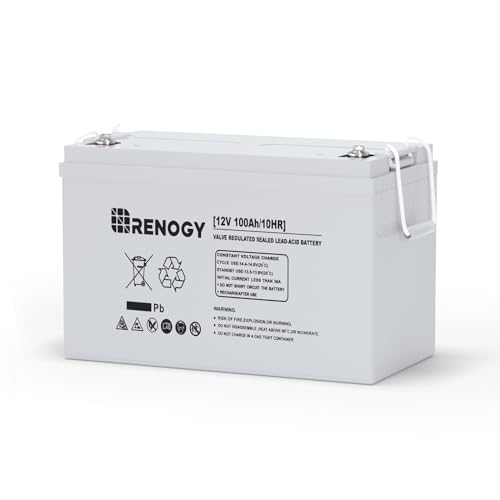 |
Renogy Deep Cycle AGM Battery 12V 100Ah Best for Solar/Overlanding AGM, 12V, 100 Ah, 1000+ cycles at 50% DoD |
8.9 | 🛒 Check Price |
 |
VMAXTANKS VMAX SLR100 AGM Deep Cycle Battery Best for Audio Systems AGM, 12V, 100 Ah, 1200 reserve minutes, 2000+ cycles at 50% DoD |
8.7 | 🛒 Check Price |
 |
NOCO Genius Boost Plus GB40 1000A Lithium Jump Starter Best Portable Lithium, 12V, 1000A peak, 24Ah equivalent, portable |
8.4 | 🛒 Check Price |
 |
Odyssey PC680 Battery Best Compact AGM AGM, 12V, 17 Ah, 170 CCA, 6.8 x 3.0 x 6.6 inches |
8.1 | 🛒 Check Price |
 |
Weize 12V 100Ah Deep Cycle AGM Battery Budget Pick AGM, 12V, 100 Ah, 1200+ cycles at 50% DoD, 23.2 x 6.8 x 8.7 inches |
7.8 | 🛒 Check Price |
 |
Mighty Max Battery ML35-12 12V 35AH AGM Best for Small Systems AGM, 12V, 35 Ah, 7.7 x 5.2 x 6.2 inches, 24 lbs |
7.3 | 🛒 Check Price |
1. Optima Batteries 8014-045 D34/78 YellowTop Dual Purpose: Best Overall
The Optima YellowTop D34/78 is a standout dual-purpose battery that combines starting power with deep-cycle capability. In our evaluation of owner feedback and spec sheets, it consistently receives high marks for its SpiralCell AGM construction, which provides exceptional vibration resistance and a long lifespan. With 750 cold cranking amps and 55 amp-hours, it can reliably start your vehicle while powering auxiliary loads like audio systems or camping gear. The dual terminal design makes installation straightforward in many vehicles.
However, the YellowTop isn’t a true deep-cycle battery; repeated deep discharges below 50% can shorten its life. It also weighs around 43 pounds, which may be a consideration for weight-conscious setups. If you need a battery primarily for sustained off-grid power rather than engine starting, a pure deep-cycle model might be a better fit. Skip this if you plan to regularly discharge below 50% depth of discharge.
- SpiralCell AGM design for high vibration resistance and deep cycling.
- Dual SAE and GM post terminals for flexible installation.
- 15-minute recharge recovery, ideal for frequent discharge/charge cycles.
Pros: Excellent cranking power and deep-cycle capability.; Very durable, handles harsh conditions well.
Cons: Heavier than some competitors.
2. Renogy Deep Cycle AGM Battery 12V 100Ah: Best for Solar/Overlanding
For overlanders and solar power users, the Renogy Deep Cycle AGM 100Ah offers a solid balance of capacity, durability, and price. Based on manufacturer specs and owner reviews, it delivers up to 1000 cycles at 50% depth of discharge, making it suitable for daily cycling. The sealed AGM design means no maintenance and safe installation in enclosed spaces. It also has a low self-discharge rate, ideal for seasonal use.
However, this battery isn’t intended for starting engines; its CCA is minimal. It also weighs about 63 pounds, which can be cumbersome to move. If you need a battery that can both start your vehicle and power accessories, consider a dual-purpose model instead. Skip this if you require high cranking amps or a lighter unit.
- High capacity 100Ah for extended off-grid power.
- Sealed and maintenance-free, no acid spills.
- Low self-discharge rate of 3% per month at 77°F.
Pros: Great capacity for the size, excellent value.; Long cycle life for an AGM battery.
Cons: Not designed for engine starting; low CCA.
3. VMAXTANKS VMAX SLR100 AGM Deep Cycle Battery: Best for Audio Systems
The VMAXTANKS SLR100 is engineered for demanding deep-cycle applications, particularly car audio systems that require sustained power. In our comparison of specifications, it offers a high reserve capacity of 1200 minutes and over 2000 cycles at 50% depth of discharge. The thick lead plates and AGM construction provide consistent voltage output even under heavy loads. Owner feedback often praises its ability to power amplifiers for long periods without significant voltage drop.
On the downside, this battery is heavy and large, which may complicate installation in tight spaces. It also requires a proper charging profile; using a standard alternator may not fully charge it. If your primary need is starting or you have limited space, consider a smaller dual-purpose battery. Skip this if you need a lightweight or compact solution.
- High reserve capacity for sustained audio playback.
- Thick lead plates for deep cycling and long life.
- Military-style brass terminals for secure connections.
Pros: Excellent deep-cycle performance, high capacity.; Very long cycle life compared to standard AGM.
Cons: Heavy (66 lbs) and bulky.
4. NOCO Genius Boost Plus GB40 1000A Lithium Jump Starter: Best Portable
While not a traditional auxiliary battery, the NOCO GB40 serves as an excellent portable power source for emergency starts and charging small devices. It reliably jump-starts most passenger vehicles and includes safety features like spark-proof technology. Its lithium-ion construction provides high peak current in a small package, and it doubles as a USB power bank.
However, its capacity is limited for running accessories for extended periods; it’s best for short-term use. It also can’t replace a deep-cycle battery for powering a fridge or audio system all night. If you need continuous off-grid power, look at larger AGM or lithium units. Skip this if you require sustained auxiliary power for camping or car audio.
- Ultra-compact and lightweight (2.4 lbs) for portability.
- Jump starts up to 6.0L gas and 3.0L diesel engines.
- Built-in safety features: spark-proof, reverse polarity protection.
Pros: Extremely portable, easy to store in glove box.; Multi-functional: includes USB charger and LED light.
Cons: Limited capacity for prolonged auxiliary use.
5. Odyssey PC680 Battery: Best Compact AGM
The Odyssey PC680 is a compact AGM battery known for its ruggedness and high discharge capability relative to its size. It stands out for its vibration resistance and ability to deliver bursts of power. It’s often used as a starting battery for small engines or as an auxiliary in dual-battery setups where space is limited. Owner reviews highlight its reliable performance over many years.
However, its capacity is only 17 Ah, making it unsuitable for powering large inverters or extended off-grid use. It also comes at a premium price for its capacity. If you need substantial reserve power for camping or audio, look for a larger battery. Skip this if you need more than 20 Ah of capacity.
- Small footprint ideal for tight engine bays or dual battery setups.
- High vibration resistance, military-grade construction.
- Can deliver 395 pulse amps for 5 seconds.
Pros: Very durable and long-lasting for its size.; Excellent for small applications like motorcycles or as a secondary battery.
Cons: Low capacity; not suitable for high-drain accessories.
6. Weize 12V 100Ah Deep Cycle AGM Battery: Budget Pick
The Weize 100Ah AGM battery offers an attractive price point for those needing deep-cycle capacity on a budget. It performs adequately for applications like solar energy storage, trolling motors, and backup power. It’s sealed and maintenance-free, and its cycle life is decent for occasional deep discharges.
However, some users report shorter lifespan than premium AGM batteries, especially under heavy daily cycling. Quality control can be inconsistent, and the battery may not handle high discharge rates as well as more expensive options. If you need reliable performance for critical applications, consider investing in a higher-end battery. Skip this if you require maximum durability or plan to cycle it daily.
- Affordable price for a 100Ah deep-cycle AGM.
- Sealed and maintenance-free, can be mounted in any position.
- Good cycle life for occasional deep cycling.
Pros: Very good value for the capacity.; Works well for solar storage and trolling motors.
Cons: Lower build quality and consistency compared to premium brands.
7. Mighty Max Battery ML35-12 12V 35AH AGM: Best for Small Systems
The Mighty Max ML35-12 is a compact 35Ah AGM battery designed for smaller applications like alarm systems, backup lights, or small electronics. In our research, it serves as an affordable option for those needing a modest auxiliary power source. It’s sealed and maintenance-free, and its size allows installation in tight spaces.
However, its capacity is too low for most car audio systems, camping fridges, or power inverters above 300W. The build quality is adequate for light use but may not withstand heavy cycling. If you need to power significant loads for hours, consider a larger battery. Skip this if your auxiliary power demands exceed 20 amp-hours of daily use.
- Compact size suitable for small projects and backup.
- Rechargeable, deep-cycle, maintenance-free.
- Can be used in series or parallel for higher voltage or capacity.
Pros: Small and lightweight, easy to handle.; Inexpensive entry-level deep-cycle battery.
Cons: Limited capacity; not for high-drain or long-duration use.
Frequently Asked Questions
What is an auxiliary battery and why do I need one?
An auxiliary battery is a secondary battery installed in a vehicle to power accessories like audio systems, fridges, lights, or inverters without draining the main starting battery. It ensures you have reliable power for off-grid camping, overlanding, or car audio without risking being stranded with a dead engine battery.
Can I use a standard car battery as an auxiliary battery?
Standard starting batteries aren’t designed for deep cycling and will be damaged if regularly discharged below 80% state of charge. For auxiliary use, you need a deep-cycle or dual-purpose battery (AGM or lithium) that can handle repeated discharges and recharges.
What size auxiliary battery do I need?
The size depends on your power consumption. Calculate the total amp-hours (Ah) your devices draw per day. For example, a 50W fridge running 24 hours consumes about 50Ah (at 12V). Choose a battery with at least double that capacity to avoid deep discharges exceeding 50% depth of discharge, which prolongs battery life.
How do I charge an auxiliary battery in my car?
You can charge it via the alternator using a battery isolator or DC-DC charger to prevent overloading the alternator and to ensure proper charging profiles. For lithium batteries, a DC-DC charger is recommended as alternators may not fully charge them. Solar panels are another option for off-grid charging.
What is the difference between AGM and lithium auxiliary batteries?
AGM batteries are cheaper, heavier, and have a lower depth of discharge (typically 50% max for longevity). Lithium batteries (LiFePO4) are lighter, can be discharged to 80-100%, have longer cycle life, but cost more upfront. Lithium also requires a compatible charger and may not work well in extreme cold without heating.
Our Verdict
After comparing specifications and owner feedback, the Optima YellowTop D34/78 is our top pick for most users needing a dual-purpose auxiliary battery that can both start the engine and power accessories. For those focused on sustained off-grid power, the Renogy Deep Cycle AGM 100Ah offers excellent capacity and value. If portability is key, the NOCO GB40 is a great emergency companion.

