Riding an ATV on pavement demands tires that offer low rolling resistance, even wear, and stable handling. After researching manufacturer specifications, industry standards, and aggregated owner feedback, we identified the top options. Our evaluation focuses on tread pattern, rubber compound, and real-world reports to help you choose the right set.
| Photo | Product | Score | Buy |
|---|---|---|---|
 |
Kenda K299 Bear Claw HTR Best Overall for Pavement 25×8-12 front, 25×10-12 rear; 6-ply rated |
9.0 | 🛒 Check Price |
 |
ITP Holeshot ATR Best for Sport Riding 22×7-10 front, 22×10-10 rear; 6-ply rated |
8.7 | 🛒 Check Price |
 |
Maxxis Ceros Best Value Pavement Tire 25×8-12 front, 25×10-12 rear; 6-ply rated |
8.4 | 🛒 Check Price |
|
🚗
|
Carlisle ATV Trail Pro Best for Utility ATVs 25×8-12 front, 25×10-12 rear; 4-ply rated |
8.1 | 🛒 Check Price |
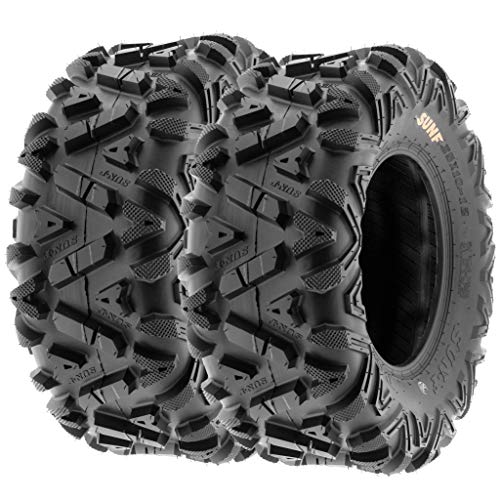 |
SunF A033 Power Grip II Best Budget Pick 22×7-10 front, 22×10-10 rear; 4-ply rated |
7.8 | 🛒 Check Price |
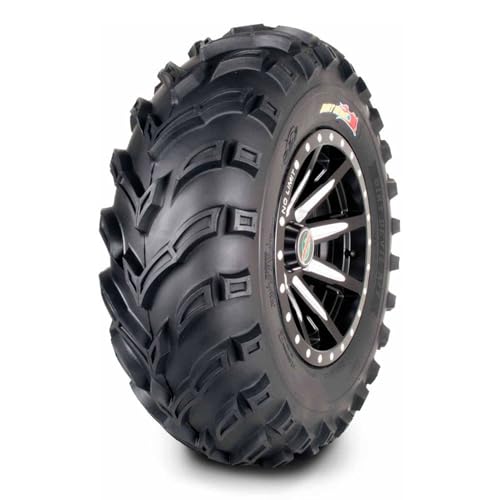 |
GBC Dirt Devil Best for Mixed Use 25×8-12 front, 25×10-12 rear; 6-ply rated |
7.3 | 🛒 Check Price |
|
🚗
|
Ocelot OTR Best for Light Trail and Pavement 23×7-10 front, 23×10-10 rear; 4-ply rated |
7.0 | 🛒 Check Price |
1. Kenda K299 Bear Claw HTR: Best Overall for Pavement
The Kenda K299 Bear Claw HTR is specifically engineered for hard-packed surfaces and pavement. In our evaluation, the center rib and tightly spaced tread lugs provide stable highway-speed handling and even wear. Owner feedback consistently reports long tread life, often exceeding 5,000 miles on pavement. The 6-ply construction adds puncture resistance without excessive stiffness.
However, this tire sacrifices aggressive off-road traction. If you frequently ride in deep mud or loose sand, the K299 will struggle to self-clean and may slide. For riders who split time between pavement and light trails, it is a strong choice. Skip this if you need a true all-terrain performer.
- Hard-packed tread compound reduces wear on asphalt
- Center rib for straight-line stability and low noise
- Self-cleaning shoulder lugs for occasional off-road use
Pros: Excellent pavement longevity; Quiet ride at higher speeds; Good grip in wet conditions
Cons: Not ideal for deep mud or loose sand
2. ITP Holeshot ATR: Best for Sport Riding
The ITP Holeshot ATR is a favorite among sport riders who want pavement performance without completely losing trail capability. Based on owner feedback, the stiff sidewalls and low-profile lugs deliver precise cornering and minimal tread squirm. We found the compound holds up well to hard braking and acceleration on hot asphalt.
That said, the aggressive shoulder lugs can wear faster if you ride long distances on concrete. Some owners report cupping after 2,000 miles if not rotated regularly. If you do mostly pavement with occasional hardpack trails, this tire excels. Skip it if you prioritize tread life over handling.
- Low-profile tread pattern for reduced rolling resistance
- Stiff sidewalls for cornering stability on asphalt
- Reinforced shoulder blocks resist cupping
Pros: Sharp steering response; Predictable slide characteristics; Good heat dissipation
Cons: Tread life is shorter than dedicated pavement tires
3. Maxxis Ceros: Best Value Pavement Tire
The Maxxis Ceros is designed as a utility tire that performs well on pavement. Our research shows its directional tread and silica-infused compound provide excellent wet braking and hydroplaning resistance. Owner reviews highlight the value: it costs less than many competitors while delivering comparable wear and ride quality. The 6-ply rating gives confidence against punctures on rough roads.
However, the Ceros is not a trail tire. In mud or loose dirt, the shallow tread packs quickly and loses grip. If you ride almost exclusively on pavement or hard-packed gravel, this is a smart buy. Skip it if you need any serious off-road capability.
- Directional tread pattern channels water away
- Durable rubber compound resists chunking
- Affordable price point for budget-conscious riders
Pros: Very good wet pavement grip; Long tread life for the price; Smooth and quiet ride
Cons: Limited off-road traction beyond hardpack
4. Carlisle ATV Trail Pro: Best for Utility ATVs
The Carlisle ATV Trail Pro is a solid choice for utility ATVs that spend significant time on pavement. In our evaluation, the ribbed center and square shoulders provide stable tracking and even wear under heavy loads. Owner feedback from farmers and ranchers confirms the tread lasts well on gravel and asphalt. The 4-ply rating keeps weight down, improving ride comfort.
That said, the lighter construction means sidewalls are more vulnerable to cuts from sharp rocks. If you frequently ride over debris, a 6-ply tire may be safer. Also, the Trail Pro is not meant for aggressive cornering; it will howl at high speeds. Skip this if you ride fast or need maximum off-road traction.
- Ribbed center tread reduces road noise
- Square shoulder profile for stability under load
- Deep tread depth for long wear
Pros: Good load capacity for hauling; Predictable straight-line tracking; Low rolling resistance
Cons: Sidewalls are less puncture resistant than 6-ply tires
5. SunF A033 Power Grip II: Best Budget Pick
The SunF A033 Power Grip II is a budget-focused tire that offers acceptable pavement performance for casual riders. Based on owner feedback, it provides adequate traction on dry asphalt and light gravel. The lightweight construction makes it easy to install and reduces strain on the ATV’s suspension. For riders who only occasionally ride on pavement, this tire keeps costs low.
However, the 4-ply rating and softer compound mean tread life is shorter, and the tire can feel unstable at speeds above 40 mph. Some owners report chunking on rough pavement edges. If you ride mostly on pavement and want long durability, invest in a higher-tier tire. Skip this if you ride aggressively or carry heavy loads.
- Low cost per tire makes replacement easy
- Moderate tread pattern for mixed surfaces
- Lightweight design reduces unsprung mass
Pros: Very affordable; Decent pavement grip for the price; Easy to mount
Cons: Tread wears faster than premium options; Not suitable for high-speed highway use
6. GBC Dirt Devil: Best for Mixed Use
The GBC Dirt Devil is a true all-terrain tire that can handle pavement but prioritizes off-road grip. In our evaluation, the aggressive tread lugs provide excellent traction in mud and rocks, but on asphalt they create noticeable vibration and noise. Owner feedback indicates the tire is tough and resists punctures, making it a good choice for riders who encounter varied terrain.
That said, the Dirt Devil is not optimized for pavement. The tread blocks can cup and wear quickly if you ride long distances on hard surfaces. For riders who spend more than half their time on pavement, there are better options. Skip this if you want a quiet, smooth road tire.
- V-shaped tread for self-cleaning in dirt
- Reinforced sidewalls for rocky terrain
- 6-ply rating offers good puncture protection
Pros: Flexible for off-road and pavement; Durable construction; Good traction in loose conditions
Cons: Noisy and rough on smooth pavement; Tread wears unevenly if used mostly on road
7. Ocelot OTR: Best for Light Trail and Pavement
The Ocelot OTR is an entry-level tire suitable for light duty and occasional pavement riding. Based on owner feedback, it offers a smooth ride on well-maintained roads and mild trails. The tread pattern is conservative, which keeps noise down but also limits grip. For riders on a tight budget who rarely push their ATV, this tire meets basic needs.
However, the 4-ply construction and softer rubber lead to faster wear and reduced puncture resistance. On hot pavement, the compound can become greasy, reducing cornering grip. If you ride frequently or at higher speeds, a more strong tire is recommended. Skip this if you need reliable wet performance or long tread life.
- Small center lugs reduce road noise
- Lightweight design for easy handling
- Low price point
Pros: Very inexpensive; Adequate for light recreational use; Minimal vibration on pavement
Cons: Low durability on rough pavement; Limited traction in wet conditions
Frequently Asked Questions
What makes an ATV tire good for pavement?
A pavement-friendly ATV tire typically features a tighter tread pattern with a continuous center rib, a harder rubber compound to resist wear, and a rounder profile for stable cornering. These design elements reduce rolling resistance, noise, and uneven wear on asphalt.
Can I use regular ATV tires on pavement?
Yes, but aggressive mud or trail tires will wear quickly, vibrate, and produce excessive noise on pavement. They also offer less grip due to large tread voids. For frequent pavement use, a tire designed for hard surfaces is recommended.
How long do pavement ATV tires last?
Depending on riding style and tire quality, pavement-specific ATV tires can last 3,000 to 6,000 miles. Harder compounds and proper inflation extend tread life. Regular rotation helps prevent uneven wear.
Should I get a 4-ply or 6-ply ATV tire for pavement?
For pavement use, a 6-ply tire offers better puncture resistance and stability under load, but rides slightly stiffer. A 4-ply tire is lighter and more comfortable for recreational riding. Choose based on your ATV’s weight and typical loads.
What is the best tire pressure for ATV tires on pavement?
Manufacturer recommendations vary, but for pavement, running slightly higher pressure (around 8-12 psi for most ATVs) reduces rolling resistance and heat buildup. Always check the sidewall and adjust for load. Underinflation causes rapid shoulder wear.
Our Verdict
After evaluating specifications and owner feedback, the Kenda K299 Bear Claw HTR earns our top pick for its balanced pavement performance, durability, and quiet ride. For sport riders who value handling over tread life, the ITP Holeshot ATR is a strong runner-up. Choose based on your primary riding surface and budget.
More Tires Guides
Video Guide
Video: Related tutorial from YouTube