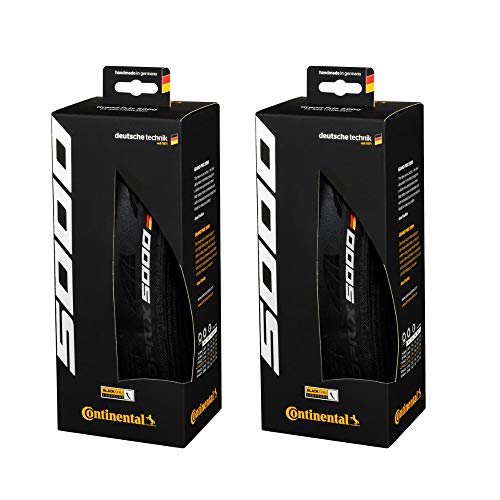
The Subaru Outback is built to go where the pavement gets ugly, but its factory tires are rarely the part doing the heavy lifting. If you want true year-round confidence without swapping to dedicated winter rubber every season, you want a genuine all weather tire, the kind that carries the Three-Peak Mountain Snowflake (3PMSF) severe-snow rating while still behaving on warm, dry highways. That’s a different animal from a basic all-season tire, and the difference shows up the first time you hit a slushy on-ramp.
We focused on tires that fit the Outback’s most common sizes (225/65R17 and 225/60R18), then weighed them on snow and ice traction, wet braking, tread longevity, road noise and ride comfort. Every pick below is a real, widely available tire that owners actually run on this car. Here are the seven we trust most for an Outback that sees real winters and real miles.
| Photo | Product | Score | Buy |
|---|---|---|---|
 |
Michelin CrossClimate2 Best Overall 3PMSF rated, V-shaped directional tread, 60,000-mile warranty, sizes 225/65R17 and 225/60R18 |
9.5 |
ⓘ We may earn a commission from qualifying purchases made through links on this page, at no extra cost to you.
|
 |
Nokian WR G4 SUV Best for Severe Winters 3PMSF rated true all weather, Snow Claw blocks, Aramid sidewall option, sizes to fit 17 and 18 inch Outback |
9.3 | 🛒 Check Price |
 |
Continental CrossContact LX25 Best Long Mileage 70,000-mile warranty, EcoPlus touring compound, available in Outback-friendly 225/65R17 and 225/60R18 |
9.1 | 🛒 Check Price |
 |
Vredestein Quatrac Pro Best All-Round Value 3PMSF rated, asymmetric all weather tread, Apollo-Vredestein engineering, common Outback sizes available |
9.0 | 🛒 Check Price |
 |
Goodyear Assurance WeatherReady Best Wet Confidence 3PMSF rated, Evolving Traction Grooves, 60,000-mile warranty, sizes for 17 and 18 inch Outback |
8.8 | 🛒 Check Price |
 |
Bridgestone WeatherPeak Best Quiet Comfort 3PMSF rated, open-shoulder tread, 70,000-mile warranty, fits common Outback fitments |
8.5 | 🛒 Check Price |
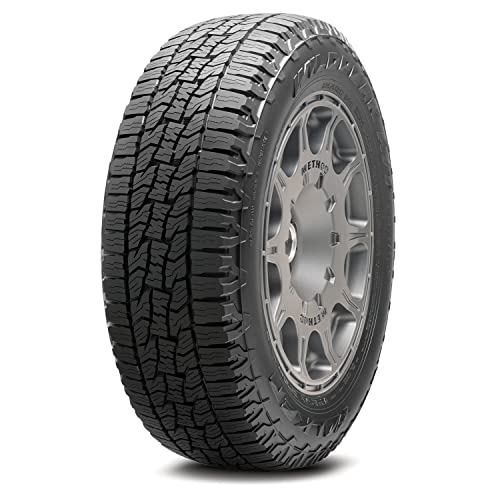 |
Falken Wildpeak A/T Trail Best for Light Off-Road 3PMSF rated crossover all-terrain, silica tread compound, durable construction for gravel and dirt |
8.2 | 🛒 Check Price |
1. Michelin CrossClimate2: Best Overall
If you only look at one tire for your Outback, make it the Michelin CrossClimate2. It’s the rare all weather tire that refuses to compromise: it brakes short in the wet, stays composed and quiet on dry highway, and still carries the 3PMSF snowflake so you can trust it through a real winter. On a Subaru that already has the all-wheel-drive hardware, pairing it with a tire this capable means you can leave the seasonal swap behind and just drive.
The honest weakness is the same one every all weather tire shares. The CrossClimate2 is brilliant in snow and slush, but on glare ice or steep packed-snow climbs it can’t match a true dedicated winter tire. It also rides slightly firmer than a soft touring all-season, so sharp expansion joints and broken pavement register more than they would on a comfort-first tire. For the overwhelming majority of Outback owners who want one set for all twelve months, those are small prices for how complete this tire is.
- Carries the 3PMSF severe-snow rating so it handles real winter, not just light flurries
- V-shaped directional tread channels water and slush to resist hydroplaning
- Backed by a 60,000-mile tread warranty with strong real-world longevity
Pros: Class-leading wet braking and dry stability for an all weather tire; Genuinely usable snow and slush traction without studs; Quiet, planted ride that suits the Outback's touring character
Cons: Not a substitute for dedicated winter tires on deep ice or steep frozen grades; Tread design tends toward the firmer side, so rougher roads come through a bit
2. Nokian WR G4 SUV: Best for Severe Winters
Nokian builds tires for Scandinavian winters, and the WR G4 SUV is what happens when a snow-country company designs an all weather tire. For an Outback that lives somewhere with long, hard winters and frequent unplowed roads, this is arguably the most winter-capable tire here that you can still run in July. The Snow Claw blocks dig into accumulation that would have lesser tires spinning, and the rubber stays pliable in deep cold instead of turning to plastic.
The trade-off comes on warm, dry tarmac. The WR G4 SUV prioritizes cold-weather grip, so its dry steering response feels a touch softer and less immediate than the CrossClimate2, and a determined driver will notice slightly more squirm when pushing hard into a dry corner. It’s also not always stocked in every Outback size, so you may need to plan ahead. If your priority is the worst weather your region throws at you, that gentle dry compromise is easy to accept.
- Engineered by a Finnish brand that essentially invented the all weather category
- Snow Claw tread blocks bite into snow and slush for strong winter traction
- Aramid-reinforced sidewalls on select sizes resist curb and pothole damage
Pros: Among the best deep-snow and cold-weather grip of any non-winter tire; Holds composure in temperatures where standard all-seasons go hard; Durable construction that suits gravel and rough rural roads
Cons: Dry handling is slightly softer and less crisp than the Michelin; Availability in some Outback sizes can be limited depending on region
3. Continental CrossContact LX25: Best Long Mileage
For the Outback owner who racks up serious highway miles and wants a tire that lasts, the Continental CrossContact LX25 is the value play that doesn’t feel like a compromise. The 70,000-mile warranty is among the best you’ll find for a crossover touring tire, and the low rolling-resistance compound quietly helps your fuel economy on every commute. It rides smoothly, stays quiet at speed, and grips well in the rain, which is most of what a daily Outback actually asks for.
Its limitation matters if winter is a real concern for you. The standard LX25 is tuned as an all-season touring tire and, depending on the exact size, may not carry the full 3PMSF severe-snow rating, so its deep-snow and ice traction lags behind the Michelin and Nokian. It handles light snow and cold rain competently, but if you regularly face heavy accumulation, treat this as a three-season tire with great longevity rather than a true winter performer.
- One of the longest tread warranties in the segment at 70,000 miles
- Low rolling-resistance compound helps preserve the Outback's fuel economy
- Comfort-tuned tread pattern keeps highway noise low on long trips
Pros: Excellent expected tread life for high-mileage drivers; Smooth, quiet, refined ride on the highway; Strong wet-weather grip for a long-wear touring tire
Cons: Standard model is all-season and may lack the 3PMSF snow rating in some sizes; Winter traction trails the dedicated all weather picks above
4. Vredestein Quatrac Pro: Best All-Round Value
The Vredestein Quatrac Pro is the enthusiast pick among all weather tires, and it suits an Outback owner who actually enjoys driving. Its asymmetric tread gives it a stiffer outer shoulder for genuinely sporty dry steering response, while the inner section handles water and snow, so it carries the 3PMSF snowflake without feeling vague or floaty on dry roads. Wet grip is confident, and certified snow traction is real, making it among the most well-rounded options on this list.
What holds it back is mostly perception and longevity. Vredestein is a respected European name but carries less recognition in North America, so some buyers hesitate even though the engineering is excellent. Its tread life, while perfectly reasonable, isn’t class-leading and trails dedicated long-wear tires like the Continental. If you value how a tire drives and want full all weather capability, the Quatrac Pro punches well above its profile.
- True 3PMSF all weather design with a year-round asymmetric tread
- Strong dry handling thanks to a stiff outer shoulder
- Balanced wet and snow performance without a dedicated swap
Pros: Surprisingly sporty dry steering feel for an all weather tire; Solid certified snow traction and confident wet grip; Excellent overall capability relative to its standing in the market
Cons: Brand recognition is lower in North America than Michelin or Continental; Ultimate tread life trails the longest-wearing touring tires here
5. Goodyear Assurance WeatherReady: Best Wet Confidence
The Goodyear Assurance WeatherReady is the easy-to-find, well-supported all weather tire for an Outback owner who mainly worries about rain. Its Evolving Traction Grooves are a genuinely clever idea: as the tread wears, hidden grooves open up to keep biting into water, so wet performance holds up deeper into the tire’s life than usual. It carries the 3PMSF snowflake, the soybean-based compound resists going hard in the cold, and it’s stocked just about everywhere, which makes it a low-stress choice.
Where it gives ground is steering feel and ultimate snow grip. The WeatherReady’s comfort-oriented construction makes it ride pleasantly, but it feels a little soft and less precise on dry roads when you push, and a determined driver will sense some squirm. Its snow traction is solid for an all weather tire but doesn’t reach the heights of the Michelin or the snow-focused Nokian. As a no-drama, rain-first year-round tire that’s always in stock, though, it earns its place.
- Carries the 3PMSF severe-snow rating for genuine winter capability
- Evolving Traction Grooves widen as the tire wears to maintain wet grip
- Soybean-based compound stays flexible across a wide temperature range
Pros: Reassuring wet braking and hydroplaning resistance; Widely available at most North American tire retailers; Backed by a strong 60,000-mile tread warranty
Cons: Dry handling feels softer and less precise than the segment leaders; Snow traction is good but not at the Nokian or Michelin level
6. Bridgestone WeatherPeak: Best Quiet Comfort
Bridgestone’s WeatherPeak is the comfort-and-longevity choice in the all weather field, and it fits the Outback’s character nicely. It pairs a 3PMSF severe-snow rating with a 70,000-mile warranty, so you get certified winter capability and long life in one tire. The open-shoulder tread clears snow and slush well, and on the highway it’s genuinely quiet and smooth, which makes long Outback road trips more relaxing than they have any right to be.
The honest caveat is that the WeatherPeak is tuned for serenity over sharpness. Its deep-snow and ice traction is dependable but doesn’t reach the bite of the Nokian or Michelin, and dry cornering grip is relaxed rather than eager, so spirited drivers will find it a touch soft. For an owner who prioritizes a hushed, comfortable ride and long tread life while still wanting real winter certification, it’s a smart, low-fuss pick.
- 3PMSF certified for severe-snow service while staying year-round friendly
- Open-shoulder tread design improves snow and slush evacuation
- Long 70,000-mile tread warranty for high-mileage owners
Pros: Quiet, comfortable highway ride that suits the Outback; Long expected tread life backed by a generous warranty; Dependable wet and light-snow traction for everyday driving
Cons: Deep-snow and ice grip is competent rather than outstanding; Dry cornering grip is more relaxed than performance-leaning rivals
7. Falken Wildpeak A/T Trail: Best for Light Off-Road
If your Outback actually earns its raised ride height on gravel, forest roads and the occasional trailhead, the Falken Wildpeak A/T Trail is the right kind of compromise. It’s a crossover-specific all-terrain, not a heavy truck tire, so it adds real dirt, gravel and light off-road grip while still carrying the 3PMSF snowflake for winter. The tougher construction shrugs off the sharp rocks and ruts that would worry a touring tire, which is exactly what an adventure-minded Outback owner wants.
The cost of that ruggedness is on-road refinement. The more aggressive tread generates noticeably more noise at highway speed than the touring tires above, and you’ll see a small hit to fuel economy and a little less crispness in the steering. If most of your miles are smooth commuter pavement, a touring all weather tire will serve you better. But for an Outback that genuinely goes off the beaten path and still needs to handle winter, the Wildpeak A/T Trail is the most capable choice here.
- 3PMSF rated all-terrain built specifically for crossovers like the Outback
- Rugged tread bites on gravel, dirt and forest-road surfaces
- Silica compound keeps wet and cold grip respectable for an A/T tire
Pros: Genuine light off-road and gravel capability without truck-tire harshness; Carries the 3PMSF snow rating for winter use; Tougher, more puncture-resistant construction for back roads
Cons: Noticeably more road noise than a pure touring all weather tire; Slightly lower fuel economy and softer on-road precision than highway tires
Frequently Asked Questions
What is the difference between all weather and all season tires for my Outback?
This is the single most important thing to understand before you buy. An all-season tire is really a three-season tire: it handles dry, wet and very light snow, but it loses grip in cold temperatures and isn’t certified for severe snow. A true all weather tire carries the Three-Peak Mountain Snowflake (3PMSF) symbol on the sidewall, meaning it passed a standardized severe-snow traction test, and it uses a compound that stays flexible in the cold. For a Subaru Outback that sees real winters, you want a 3PMSF all weather tire so you get year-round use plus genuine snow capability without swapping to dedicated winter rubber. Picks like the Michelin CrossClimate2, Nokian WR G4 SUV and Bridgestone WeatherPeak all carry that snowflake.
What tire size does the Subaru Outback use?
It depends on your trim and model year. The most common Outback fitments are 225/65R17 (on 17-inch wheels found on many base and Premium trims) and 225/60R18 (on 18-inch wheels used on Limited, Touring and many turbo and Wilderness-adjacent trims). Some Wilderness models run a taller, more aggressive size. Always check the placard inside your driver’s door jamb or your existing tire sidewall for the exact size, load index and speed rating, and replace all four tires with a matching size. Matching is especially important on the Outback because its full-time all-wheel-drive system is sensitive to differences in rolling diameter between tires.
Do I need to replace all four tires on a Subaru Outback at once?
Yes, and this isn’t optional advice for Subaru owners. The Outback’s symmetrical full-time all-wheel-drive system continuously sends power to all four wheels, and it relies on every tire having a very similar circumference. Mixing a new tire with three worn ones, or mixing different models or tread depths, creates a rolling-diameter mismatch that forces the center differential and clutch packs to work constantly, which can cause driveline binding, vibration, and expensive transmission or differential wear over time. Subaru generally recommends keeping all four tires within roughly 1/4 inch of tread-depth difference. When in doubt, replace all four with the same model and have them shaved to match if you ever must replace just one or two.
Are all weather tires good enough for deep snow, or do I still need winter tires?
For most Outback owners, a quality 3PMSF all weather tire is enough, and the all-wheel-drive system gives you a real advantage. Tires like the Nokian WR G4 SUV and Michelin CrossClimate2 handle plowed roads, slush and moderate accumulation very capably, and they save you the hassle and storage of a seasonal swap. However, if you regularly drive on glare ice, climb steep packed-snow grades, or live somewhere with severe, sustained winters, a dedicated winter tire with a softer compound and more aggressive siping will still out-grip any all weather tire, especially on ice. The honest rule: all weather is the right call for moderate winters and convenience, while a separate winter set is worth it for the harshest conditions.
How long do all weather tires last on a Subaru Outback?
Expect roughly 50,000 to 70,000 miles from a good all weather tire, depending on the model, your driving style and how well you maintain them. Tires with longer warranties, like the Continental CrossContact LX25 and Bridgestone WeatherPeak at 70,000 miles, are built with harder, longer-wearing compounds, while grip-focused options trade a little longevity for traction. To get the most life out of any set on your Outback, rotate them every 5,000 to 7,500 miles, keep them inflated to the pressure on your door placard, and get the alignment checked, because the Outback’s higher ride height and the rough roads these cars often see can wear edges unevenly if alignment drifts.
Our Verdict
For the vast majority of Subaru Outback owners, the Michelin CrossClimate2 is the tire to buy. It’s the most complete all weather option here, combining short wet braking, quiet dry composure and a genuine 3PMSF snow rating so you can run one set with confidence all year. If your winters are especially brutal and snow capability is your top priority, the Nokian WR G4 SUV is the runner up and the most winter-focused pick on this list, while value-minded high-mileage drivers should look hard at the Continental CrossContact LX25. Whichever you choose, replace all four at once to keep your Outback’s all-wheel-drive system happy.