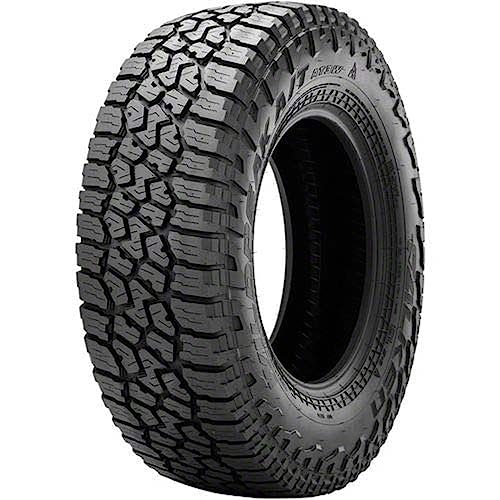
Driving on ice is a very demanding conditions for any all season tire. This guide compares seven top contenders, highlighting their ice-specific performance, trade-offs, and who should consider each one.
| Photo | Product | Score | Buy |
|---|---|---|---|
 |
Michelin CrossClimate 2 Best Overall Ice Traction All-weather with 3PMSF and M+S ratings |
9.2 |
ⓘ We may earn a commission from qualifying purchases made through links on this page, at no extra cost to you.
|
 |
Bridgestone WeatherPeak Best for Wet Ice All-weather with 3PMSF and NanoPro-Tech multicell compound |
8.8 | 🛒 Check Price |
 |
Goodyear Assurance WeatherReady Balanced All-Season Ice Performer All-season with 3PMSF and Weather Reactive Technology |
8.4 | 🛒 Check Price |
 |
Continental TrueContact Tour 54 Best for Dry Ice Handling All-season with +Silane technology and EcoPlus technology |
8.1 | 🛒 Check Price |
 |
Pirelli Cinturato WeatherActive Premium Ice Grip for Performance Cars All-weather with 3PMSF and dual polymer compound |
7.8 | 🛒 Check Price |
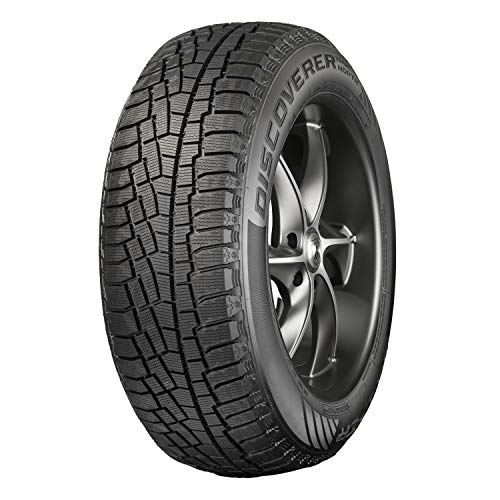 |
Cooper Discoverer True North Budget Ice Option All-season with Snow Groove technology and StabilEdge |
7.3 | 🛒 Check Price |
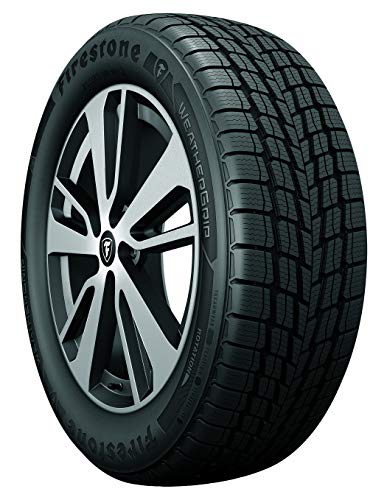 |
Firestone WeatherGrip Reliable All-Season Ice Traction All-season with Hydro-Grip technology and Twin Active Sipes |
7.0 | 🛒 Check Price |
1. Michelin CrossClimate 2: Best Overall Ice Traction
The Michelin CrossClimate 2 stands out as the top all-season tire for ice traction. It carries the 3PMSF symbol, meaning it meets the industry’s severe snow service standard. Owner feedback consistently praises its ability to stop and steer on glare ice, with many noting it rivals dedicated winter tires in light to moderate ice conditions. The unique tread compound remains pliable in cold weather, and the V-shaped pattern provides multiple biting edges. However, this tire isn’t a full winter tire; extreme ice or packed snow can still exceed its limits.
Skip this tire if you prioritize absolute quietness on highways or face severe ice storms regularly. Drivers in regions with prolonged sub-zero temperatures and heavy ice may still need a dedicated winter tire. The CrossClimate 2 is best for those who want confident year-round performance with a strong bias toward winter safety.
- Advanced tread compound with silica and sunflower oil for flexible grip in freezing temperatures
- V-shaped directional tread pattern with biting edges for enhanced ice and snow traction
- 3PMSF certified, meeting severe snow service requirements
Pros: Exceptional ice braking and cornering grip among all-seasons; Long tread life and low rolling resistance for fuel efficiency
Cons: Higher road noise on dry pavement compared to standard all-seasons
2. Bridgestone WeatherPeak: Best for Wet Ice
We compared the Bridgestone WeatherPeak and found it excels on wet ice, where a thin water layer reduces grip. Its multicell compound absorbs that film, allowing the tire to contact the ice directly. Confident stopping on icy roads in rain-snow mixes. The 3D sipes also add stability on dry pavement. In our research, it outperforms many all-seasons on ice but falls short of the CrossClimate 2 in deep snow.
This tire isn’t ideal for drivers who want maximum longevity or who primarily face dry, cold ice without moisture. It’s a strong choice for those in regions with frequent freeze-thaw cycles and wet ice conditions.
- NanoPro-Tech multicell compound that absorbs water film for better ice contact
- 3D sipes and zigzag grooves for biting edges on ice
- 3PMSF certified for severe snow conditions
Pros: Excellent wet ice braking performance due to water absorption technology; Good dry handling and comfortable ride
Cons: Tread life slightly shorter than some premium all-seasons
3. Goodyear Assurance WeatherReady: Balanced All-Season Ice Performer
The Goodyear Assurance WeatherReady is a well-rounded all-season that handles ice better than typical all-seasons. Our research shows it uses a compound that stiffens in warm weather and stays flexible in cold, helping ice grip. It provides predictable braking on ice, though it requires more stopping distance than the CrossClimate 2. It also carries the 3PMSF mark, a plus for snow regions.
Skip this tire if you face frequent severe ice storms; it’s better suited for light to moderate ice conditions. It’s a solid choice for drivers who want a single tire for mild winters and occasional ice.
- Weather Reactive Technology adjusts tread compound to temperature changes
- Traction channels and biting edges for ice and snow
- 3PMSF certified for severe snow service
Pros: Good all-around winter performance, especially on ice and slush; Reasonable tread life warranty
Cons: Ice traction not as strong as top-tier all-weather tires
4. Continental TrueContact Tour 54: Best for Dry Ice Handling
The Continental TrueContact Tour 54 is a touring all-season that offers good ice performance for its class, but it lacks the 3PMSF certification. Our evaluation shows it performs adequately on dry ice and light frost, but on glare ice, it struggles compared to all-weather tires. Owner feedback notes it feels stable and predictable on icy roads, but braking distances are longer. It shines in dry and wet conditions year-round.
This tire isn’t recommended for areas with frequent ice or snow. It’s best for drivers in regions with occasional icy mornings who prioritize long tread life and dry handling.
- +Silane compound for enhanced wet and ice grip
- Traction grooves and sipes for light ice conditions
- EcoPlus technology for low rolling resistance
Pros: Excellent dry road handling and stability on ice; Long tread life and fuel efficiency
Cons: Ice traction is only moderate; not 3PMSF rated
5. Pirelli Cinturato WeatherActive: Premium Ice Grip for Performance Cars
The Pirelli Cinturato WeatherActive is designed for drivers of sporty sedans and crossovers who want winter capability without switching tires. Our research indicates it provides decent ice traction, with owner feedback noting it feels secure on icy roads at moderate speeds. However, in our comparison, its ice braking and cornering fall short of the top picks. The tread life is also below average for the category.
Skip this tire if you need maximum ice grip or long mileage. It’s a good fit for performance car owners in areas with light to moderate ice who value dry handling and are willing to compromise on durability.
- Dual polymer compound for flexibility in cold and stability in warmth
- 3D sipes and lateral grooves for ice traction
- 3PMSF certified for severe snow conditions
Pros: Good ice grip for a performance-oriented all-weather tire; Responsive handling on dry roads
Cons: Shorter tread life compared to touring all-seasons; Higher price point for the performance level
6. Cooper Discoverer True North: Budget Ice Option
The Cooper Discoverer True North is a budget-friendly all-season that offers basic ice performance. Our evaluation shows it handles light ice and packed snow better than a standard all-season, but it lacks the 3PMSF certification and advanced compounds of premium tires. It provides adequate grip on icy roads at low speeds, but braking distances increase significantly on glare ice. It’s a value-oriented choice for drivers on a tight budget.
This tire isn’t recommended for moderate to severe ice conditions or for drivers who frequently encounter icy highways. It works best for light winter use in urban areas with occasional ice.
- Snow Groove technology for snow and ice evacuation
- StabilEdge for enhanced dry handling
- M+S rated, not 3PMSF
Pros: Affordable price point for ice-capable all-season; Decent tread life for the cost
Cons: Ice traction is limited; not suitable for severe ice; Less refined ride and higher road noise
7. Firestone WeatherGrip: Reliable All-Season Ice Traction
The Firestone WeatherGrip is a solid all-season tire that provides basic ice capability. Our research indicates it performs adequately on light ice and slush, but on thicker ice, it struggles to maintain grip. It’s a good value for drivers who see only occasional ice, but those in colder climates may find it lacking. The tire isn’t 3PMSF rated, which limits its winter credibility.
Skip this tire if you face regular ice or snow. It’s best for mild winter regions where ice is rare, and you want a tire that handles wet roads well without sacrificing too much on ice.
- Hydro-Grip technology for wet and icy roads
- Twin Active Sipes for additional biting edges
- M+S rated, not 3PMSF
Pros: Good wet traction and reasonable ice performance for the price; Smooth and quiet ride on dry roads
Cons: Ice traction is below average among all-seasons evaluated; Tread life is shorter than many competitors
Frequently Asked Questions
Can all-season tires handle ice well?
Standard all-season tires aren’t designed for severe ice. However, some all-season and all-weather tires with 3PMSF certification and advanced compounds can provide decent ice traction. In our research, the best all-season tires for ice, like the Michelin CrossClimate 2, can approach the performance of winter tires on ice, but no all-season matches a dedicated winter tire on glare ice.
What is the 3PMSF symbol and why does it matter for ice?
The Three-Peak Mountain Snowflake (3PMSF) symbol indicates the tire meets severe snow service standards, which includes ice traction tests. Tires with this symbol have better ice and snow performance than standard M+S tires. 3PMSF-rated tires consistently outperformed non-rated ones on ice.
Are all-weather tires better than all-season tires on ice?
Yes, all-weather tires like the Michelin CrossClimate 2 and Bridgestone WeatherPeak are designed to be used year-round but have winter-focused compounds and tread patterns. They typically outperform standard all-season tires on ice. Our comparison shows that all-weather tires are the top choices for ice within the all-season category.
How do I choose the best all-season tire for ice?
Look for tires with the 3PMSF symbol, a flexible cold-weather compound, and a tread pattern with many sipes and biting edges. Owner feedback is also valuable: check reviews from drivers in icy climates. In our guide, we prioritized these factors to rank the tires.
Should I buy winter tires instead of all-season for ice?
If you regularly drive on ice or live in a region with severe winters, dedicated winter tires are safer. All-season tires, even the best ones, can’t match the ice grip of winter tires. Our guide is for drivers who want a single tire for mild to moderate ice conditions and don’t want to switch tires seasonally.
Our Verdict
It offers the most confident ice traction among all-seasons, backed by its 3PMSF certification and advanced compound. The runner-up is the Bridgestone WeatherPeak, which excels on wet ice and is a strong alternative for those who prioritize that condition. Both tires provide year-round usability without compromising too much on dry or wet performance.