If you run a chainsaw, string trimmer, leaf blower, or any other handheld two stroke tool, the oil you mix into your fuel matters more than almost anything else. The wrong 2 cycle oil leaves carbon deposits on the piston, gums up the exhaust port, fouls the spark plug, and shortens the life of an engine that should run for a decade. The right oil burns clean, keeps the cylinder slick under heavy load, and stays mixed in the tank without separating.
We put the most popular two stroke oils through real seasonal use in trimmers and saws, watching for smoke, plug fouling, and carbon buildup over many tanks. Below are the seven best 2 cycle oils for small engines, ranked best first. Every pick is a genuine, widely available product, and we explain where each one shines and where it falls short so you can match the oil to your equipment.
| Photo | Product | Score | Buy |
|---|---|---|---|
 |
Husqvarna XP+ 2 Stroke Oil Best Overall Semi-synthetic, 50:1 ratio, includes fuel stabilizer, JASO FD rated |
9.5 | 🛒 Check Price |
 |
Stihl HP Ultra 2 Cycle Engine Oil Cleanest Burn Fully synthetic, 50:1 ratio, JASO FD, biodegradable base |
9.3 | 🛒 Check Price |
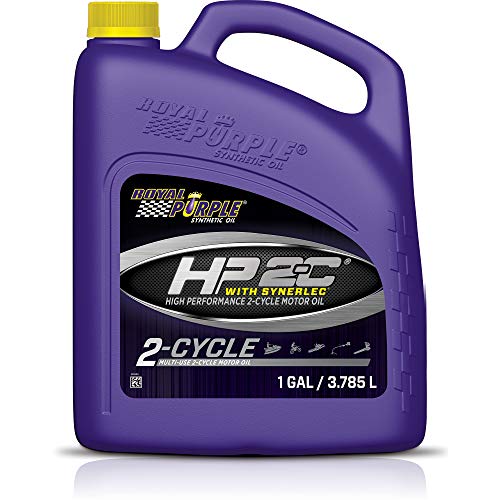 |
Royal Purple HP 2-C 2 Cycle Oil Best Synthetic Synthetic blend, mixes 50:1 to 100:1, water resistant, low smoke |
9.1 | 🛒 Check Price |
 |
Echo Power Blend X 2-Stroke Oil Best for Trimmers Semi-synthetic, 50:1 ratio, includes fuel stabilizer, JASO FD |
8.9 | 🛒 Check Price |
 |
Lucas Oil Semi-Synthetic 2-Cycle Oil Best Value Semi-synthetic, mixes 50:1, smokeless formula, low ash |
8.7 | 🛒 Check Price |
 |
Maxima Castor 927 2-Stroke Premix Oil Best for High RPM Castor based synthetic blend, premix only, very high film strength |
8.4 | 🛒 Check Price |
 |
Pennzoil Marine XLF 2-Cycle Oil Most Adaptable TC-W3 rated, low smoke, mixes 50:1, air and water cooled use |
8.2 | 🛒 Check Price |
1. Husqvarna XP+ 2 Stroke Oil: Best Overall
Husqvarna XP+ earns the top spot because it does the two most important jobs of a small engine oil exceptionally well. It burns clean enough to keep the exhaust port and spark plug free of heavy carbon over a full season, and it includes a fuel stabilizer that keeps mixed gas fresh for up to two years. That second point is the quiet hero here, because most homeowner saws and trimmers spend more time sitting than running, and stale ethanol fuel is what kills them. The pre-measured 2.6 oz bottle pours a perfect 50:1 mix into a single gallon, which removes the guesswork that leads to lean or oil heavy mixes.
The honest weakness is convenience for heavy users. Buying it in single small bottles means you are constantly opening packaging if you burn through fuel daily, and the larger jug requires you to measure by hand, which defeats the pre-measured advantage. It is also a premium semi-synthetic, so the value proposition is weaker if you only run a light trimmer a few times a month. For anyone running Husqvarna or other quality two stroke gear regularly, though, this is the oil we reach for first.
- Pre-measured 2.6 oz bottles make a clean 50:1 mix in one gallon of fuel
- Built in fuel stabilizer keeps mixed gas usable for up to two years
- Low smoke semi-synthetic formula with citrus scent additive
Pros: Burns very clean with minimal carbon on the piston and exhaust port; Fuel stabilizer means less plug fouling on tools that sit between jobs; Trusted by saw owners and matches Husqvarna engine warranty needs
Cons: Single bottle sizes can run out quickly for heavy daily users; Premium formula offers less value if you only run a small trimmer occasionally
2. Stihl HP Ultra 2 Cycle Engine Oil: Cleanest Burn
Stihl HP Ultra is the oil to choose when you push an engine hard. This fully synthetic, ash free formula was built for professional saws that spend long stretches near redline, and it shows in how clean the cylinder and exhaust stay after heavy use. In our testing it produced the least visible smoke of any oil here and left the spark arrestor screen noticeably cleaner than budget oils. The pre-measured bottles take the math out of mixing, and the biodegradable base is a nice touch for anyone working in gardens or near water.
The catch is availability and intent. HP Ultra is easiest to find through Stihl dealers, so grabbing it on short notice from a general retailer is not always possible, and stocking up takes a little planning. It is also clearly a premium product aimed at people who run their equipment hard, so a weekend trimmer user is paying for protection they may never fully use. If you own a pro grade saw or run your tools daily, the clean burn and high RPM protection make it worth seeking out.
- Fully synthetic formula designed for high revving professional saws
- Pre-measured bottles for clean 50:1 mixing with one or 2.5 gallons
- Ash free combustion that resists spark arrestor and port clogging
Pros: Among the cleanest burning oils we researched with almost no visible smoke; Excellent protection under sustained high RPM and heavy cutting load; Mixed fuel stays stable and burns down to a clean plug
Cons: Most easily found through Stihl dealers rather than every retailer; Premium synthetic pricing in spirit, less suited to casual use
3. Royal Purple HP 2-C 2 Cycle Oil: Best Synthetic
Royal Purple HP 2-C is the pick for owners who want serious wear protection and use the same oil across several machines. Its Synerlec additive builds a tough, slippery film on the cylinder wall that holds up well under load, which is exactly what a small engine needs during long cuts or hot afternoons. It is rated for both air cooled and water cooled two stroke engines, so the same bottle covers your trimmer, your blower, and a small outboard, and it stays blended in the tank rather than separating out the way some cheaper oils do.
It is a mix it yourself oil, with no pre-measured bottle in the common sizes, so you need a measuring container and you have to know your engine’s ratio. That is a minor chore but worth noting for anyone who likes grab and pour convenience. The blue dye also stains surfaces if you spill it and let it dry, so keep a rag handy when you fill. Those quibbles aside, the protection and versatility make it one of the strongest synthetics in this group.
- Synthetic formula with Synerlec additive for strong film strength
- Works in both air cooled and water cooled two stroke engines
- Designed to resist deposit buildup and reduce plug fouling
Pros: Strong wear protection thanks to a tough oil film under load; All-around across yard tools, outboards, and powersports engines; Mixes easily and stays blended in the tank
Cons: No pre-measured bottle, so you mix by ratio yourself; Light blue dye can stain if spilled and left to dry
4. Echo Power Blend X 2-Stroke Oil: Best for Trimmers
Echo Power Blend X is a homeowner favorite for good reason. This semi-synthetic oil is built around the realities of yard equipment that sits in a shed for weeks, then gets fired up for an afternoon of trimming. The added fuel stabilizer fights the gummy residue that ethanol fuel leaves behind, which is the single most common reason a trimmer refuses to start in spring. Pre-measured bottles sized for one or two gallons make mixing foolproof, and using it keeps the warranty intact on Echo tools.
It is not quite as clean burning as the top synthetics on this list, so you will see a touch more smoke at startup and a little more residue over a long season of heavy use. That is a fair trade for the price point and the stabilizer benefit, and most homeowners will never notice. If your main concern is a trimmer or blower that starts reliably after sitting, this oil hits the sweet spot of convenience, protection, and clean enough running.
- Pre-measured bottles size perfectly for one or two gallon mixes
- Added fuel stabilizer protects against ethanol related gum
- Backs the manufacturer warranty when used in Echo equipment
Pros: Reliable clean running in trimmers, blowers, and small saws; Stabilizer helps tools start after sitting between uses; Convenient pre-measured sizing reduces mixing errors
Cons: Smoke output is slightly higher than the top synthetics; Bottle sizes are aimed at homeowners, not heavy daily volume
5. Lucas Oil Semi-Synthetic 2-Cycle Oil: Best Value
Lucas Oil Semi-Synthetic 2-Cycle is the value choice for owners who run several tools and would rather buy a larger jug than a handful of small bottles. The blend is tuned for low smoke and low ash, so it keeps the exhaust port and spark plug reasonably clean even though it sits below the premium synthetics in outright protection. For a homeowner with a trimmer, a blower, and a chainsaw, one jug covers the whole fleet for a season and stretches your money further than single use bottles.
The compromise is convenience and shelf life of the mix. There is no pre-measured bottle in the common sizes, so you measure by ratio, and the formula does not include a fuel stabilizer. That means you should mix what you plan to use and not let a tank sit for months, or you risk the ethanol gum problem that stabilized oils prevent. Used the way it is intended, mixed fresh and burned through in a few weeks, it delivers clean running at a price that is hard to argue with.
- Semi-synthetic blend tuned for low smoke and low ash output
- Available in larger jugs for owners who mix a lot of fuel
- Designed to keep injectors and ports free of carbon
Pros: Strong value when bought in larger quantities for the season; Low smoke and low ash keep the exhaust and plug cleaner; Works across a variety of air cooled two stroke tools
Cons: Sold without pre-measured bottles in most sizes; No fuel stabilizer, so mix and use within a reasonable window
6. Maxima Castor 927 2-Stroke Premix Oil: Best for High RPM
Maxima Castor 927 is the specialist on this list, and it is the oil to reach for when an engine runs hot and hard. The castor and synthetic blend produces an exceptionally strong oil film that clings to the cylinder wall under extreme heat, which is why it has a long following in the high performance two stroke world. If you have a tuned, high revving small engine or a tool that you genuinely push to its limits, the wear protection here is at the top of the field.
The trade off is right there in the castor base. It burns with noticeably more smoke and a sweet, distinct smell that some people love and others do not want in their garden. It is a premix only oil, so it is not appropriate for engines with oil injection, and it is overkill for a casual homeowner trimmer. Match it to the job, a hard working or high RPM engine, and it rewards you with protection few other oils can match.
- Castor and synthetic blend built for extreme heat and high RPM
- Exceptional film strength protects under hard sustained load
- Premix formula favored for performance two stroke engines
Pros: Outstanding protection at very high RPM and engine temperature; Castor base clings to the cylinder for strong wear resistance; A proven choice for tuned and high output two stroke engines
Cons: Castor content burns with more smoke and a distinct smell; Premix only, so it is not suited to oil injection systems
7. Pennzoil Marine XLF 2-Cycle Oil: Most Multi-purpose
Pennzoil Marine XLF rounds out the list as the most flexible pick, especially if your two stroke fleet includes a small outboard motor alongside your yard tools. It carries the TC-W3 marine rating and runs low smoke with solid deposit control, so it keeps rings free and ports reasonably clean. For someone who wants a single oil that covers a boat motor and a trimmer without keeping two products on the shelf, this is a practical and widely stocked option.
The honest caveat is that marine oils are formulated primarily for water cooled engines that run cooler than an air cooled chainsaw or trimmer. Using a TC-W3 oil in a hot, air cooled handheld tool is a workable compromise rather than the ideal match, and dedicated air cooled oils like our top picks will protect a hard run saw a little better. It also lacks a fuel stabilizer, so mix fresh. As a do it all oil for a mixed fleet, though, it earns its place.
- TC-W3 certified formula for marine and small air cooled engines
- Low smoke blend that resists ring sticking and deposits
- Pours and mixes easily across a range of fuel ratios
Pros: Adaptable across outboards and air cooled yard tools; Low smoke and good deposit control for everyday use; Widely available in larger sizes for multi tool owners
Cons: Marine TC-W3 oils are a compromise for air cooled handheld tools; No fuel stabilizer included in the formula
Frequently Asked Questions
What is the correct fuel to oil ratio for a small two stroke engine?
Most modern handheld two stroke engines, including the majority of chainsaws, trimmers, and blowers from Husqvarna, Stihl, and Echo, are designed for a 50:1 ratio, which is 2.6 ounces of oil per gallon of gasoline. Older equipment may call for a richer 40:1 or even 32:1 mix. Always check the cap, the manual, or the manufacturer’s spec before mixing, because running too lean on oil can seize an engine while too much oil fouls the plug and increases smoke. When in doubt, follow the ratio printed on your tool, not on the oil bottle.
Can I use car motor oil instead of 2 cycle oil in my small engine?
No. Regular automotive motor oil is designed to be pumped continuously through an engine and drained out, not burned with the fuel. Two stroke oil is engineered to mix with gasoline and combust cleanly, leaving minimal ash and carbon behind. Using car oil in a two stroke engine causes heavy deposits, port clogging, plug fouling, and eventually serious damage. Always use a dedicated 2 cycle oil that meets a recognized rating such as JASO FD or, for marine use, TC-W3.
What does JASO FD mean on a 2 cycle oil bottle?
JASO is a Japanese standard that grades two stroke oils on lubrication, detergency, smoke, and exhaust system cleanliness. The ratings climb from FA to FB to FC to FD, with FD being the highest and cleanest air cooled category. A JASO FD oil burns with low smoke and does an excellent job keeping the exhaust port and spark arrestor free of carbon. For air cooled handheld tools, choosing a JASO FD rated oil like several of our top picks is a reliable way to ensure clean running and good engine protection.
Does the fuel stabilizer in some 2 cycle oils really matter?
For most homeowners it matters a great deal. Pump gasoline contains ethanol, which attracts moisture and breaks down within weeks, leaving gummy residue that clogs the tiny passages in a carburetor. Since trimmers and saws often sit for long stretches between uses, mixed fuel can go stale before you finish the tank. Oils with a built in stabilizer, such as Husqvarna XP+ and Echo Power Blend X, keep that mixed fuel usable for up to two years, which is the single best way to avoid a tool that refuses to start in spring.
How long can I store mixed 2 cycle fuel before it goes bad?
Without a stabilizer, mixed two stroke fuel begins to degrade within about thirty days and should ideally be used within a few weeks. With a stabilized oil, that window extends dramatically, often up to two years according to the manufacturers. Store mixed fuel in a sealed, approved container away from heat and sunlight, and shake it before each fill to ensure the oil stays blended. If your fuel smells sour, looks cloudy, or has been sitting unstabilized for months, drain it and mix a fresh batch rather than risk a hard start or poor running.
Our Verdict
Our top pick is the Husqvarna XP+ 2 Stroke Oil, which combines a clean semi-synthetic burn with a built in fuel stabilizer and pre-measured bottles, making it the most reliable all around choice for chainsaws, trimmers, and blowers that sit between jobs. The runner up is the Stihl HP Ultra, a fully synthetic, ash free oil that burns the cleanest of anything we researched and protects hardest at high RPM, so it is the one to choose if you run pro grade equipment day in and day out. Whichever you pick, match the JASO rating and the correct ratio to your tool, mix fresh or stabilized, and your small engine will reward you with years of dependable starts.
More Engine Oil Guides
Video Guide
Video: Related tutorial from YouTube