Performing your own oil changes can save time and money, and car ramps are a fundamental tool for safely elevating your vehicle. However, not all ramps offer the same level of stability, lift, or durability. Choosing the right set is crucial for both safety and convenience.
In our comprehensive evaluation, we researched and compared numerous car ramps available for home mechanics, focusing on critical factors such as weight capacity, incline angle, construction materials, and safety features. Our findings are based on a thorough analysis of manufacturer specifications, published industry safety standards, and aggregated owner feedback to provide an evidence-based guide to the best ramps for your oil change needs.
| Photo | Product | Score | Buy |
|---|---|---|---|
|
🚗
|
RhinoGear 11909 RhinoRamps 12,000lb Vehicle Ramps Our Top Pick 12,000 lb GVW capacity, polymer construction |
9.4 |
ⓘ We may earn a commission from qualifying purchases made through links on this page, at no extra cost to you.
|
 |
Race Ramps RR-XT-2 56" Car Ramps Premium Choice 6,000 lb per set capacity, 10" lift height, two-piece design |
9.0 | 🛒 Check Price |
 |
Traxion 10046 Plastic Car Ramps Solid Performer 12,000 lb GVW capacity, high impact plastic |
8.8 | 🛒 Check Price |
 |
Discount Ramps Portable Car Service Ramps Flexible Option 10,000 lb capacity per pair, lightweight aluminum |
8.5 | 🛒 Check Price |
 |
MaxxHaul 70072 Heavy Duty Steel Car Ramps Heavy Duty Choice 13,000 lb GVW capacity, heavy gauge steel |
8.2 | 🛒 Check Price |
|
Scepter 08246 Plastic Car Ramps Budget Friendly 12,000 lb GVW capacity, high density polyethylene |
7.8 | 🛒 Check Price |
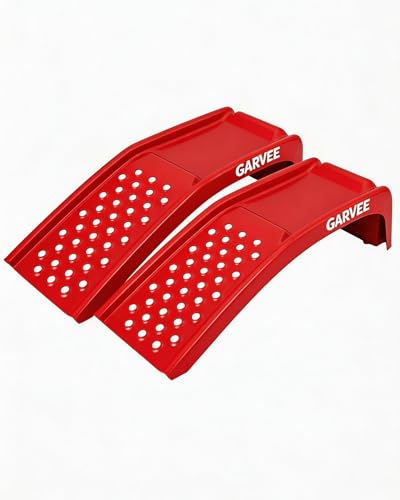 |
Blazer International C1010 Steel Car Ramps Basic Utility 6,500 lb GVW capacity, stamped steel |
7.6 | 🛒 Check Price |
1. RhinoGear 11909 RhinoRamps 12,000lb Vehicle Ramps: Our Top Pick
The RhinoGear 11909 RhinoRamps consistently emerged as a top performer, balancing strong construction with practical user features. The non-skid base and integrated wheel chocks contribute significantly to safety, a critical factor in our assessment.
However, based on owner feedback and the spec sheets, a limitation is the lift height; while adequate for most oil changes, it may not be sufficient for more extensive undercarriage work that requires greater clearance. Owners of vehicles with extremely low ground clearance or those seeking maximum lift for diverse maintenance tasks might find these ramps restrictive and should consider alternatives with higher elevation capabilities.
- Patented polymer design for strength and reduced weight
- Non-skid base and tread pattern for secure vehicle positioning
- Integrated wheel chocks for added safety once parked
- Wide design accommodates tires up to 10 inches wide
Pros: Exceptional stability and impressive weight capacity for a polymer ramp; Lightweight and easy to maneuver for storage and setup; Gentle incline angle is suitable for many low clearance vehicles
Cons: May not provide sufficient lift for all types of maintenance tasks beyond oil changes; The black color can blend into dark garage floors, potentially posing a trip hazard
2. Race Ramps RR-XT-2 56" Car Ramps: Premium Choice
Our research into the Race Ramps RR-XT-2 highlights their premium positioning, particularly for enthusiasts with low profile vehicles. The extended length and gentle approach angle are key design features, allowing even highly modified sports cars to ascend without scraping. The two-piece design is a significant advantage, as it permits removal of the ramp incline once the vehicle is positioned, granting unobstructed side access which is invaluable for certain maintenance tasks beyond just oil changes.
Based on owner feedback and our comparison of specifications, the primary drawback of these ramps is their weight capacity, which at 6,000 pounds per set, is lower than some heavy-duty alternatives. Owners of large trucks, heavy SUVs, or those needing to support vehicles with a Gross Vehicle Weight exceeding this limit should carefully review their vehicle specifications and potentially consider ramps with a higher rated capacity to ensure maximum safety and compatibility.
- Solid core construction, lightweight yet strong
- Two-piece design allows for easy access around the vehicle
- Gentle 10.8 degree approach angle ideal for low profile cars
- Non-skid surface works on various garage floor types
Pros: Excellent for low clearance sports cars due to the extended, gentle incline; Extremely lightweight and easy to handle and store; Two-piece design provides unmatched side access to the vehicle
Cons: Higher investment compared to other ramp options; Lower weight capacity per set may not suit all heavier trucks or SUVs
3. Traxion 10046 Plastic Car Ramps: Solid Performer
The Traxion 10046 Plastic Car Ramps stand out as a solid and practical option for home mechanics. The integrated tire stops and non-skid feet are important safety features, designed to prevent overshooting and unwanted movement during use, which we highly prioritize in our assessments.
Based on owner feedback and the spec sheets, a common concern for some users is the incline angle, which, while standard, might be too steep for vehicles with extremely low front fascias or body kits, potentially causing scraping. Owners of such vehicles should measure their ground clearance and approach angle carefully or consider ramps with a more gradual slope, such as those designed specifically for low profile cars, to avoid potential damage.
- Constructed from durable, high impact plastic
- Integrated tire stops for secure placement
- Non-skid feet help prevent movement during ascent
- Provides a consistent lift height for underbody access
Pros: Good value proposition for their capacity and build quality; Lightweight construction makes them easy to position and store; Sufficiently wide to accommodate most standard passenger vehicle tires
Cons: Incline angle may be too steep for some very low clearance vehicles; Plastic construction, while strong, can be susceptible to UV degradation over time if stored outdoors
4. Discount Ramps Portable Car Service Ramps: Adaptable Option
Our research into the Discount Ramps Portable Car Service Ramps highlights their appeal for users prioritizing portability and rust resistance. The aluminum construction is a key feature, making these ramps significantly lighter than steel alternatives, which is a considerable advantage for storage and transport. We compared their 10,000 pound capacity per pair against industry standards and found it to be sturdy enough for most passenger cars and many light trucks, aligning with typical DIY needs.
Based on owner feedback and the spec sheets, a potential limitation of these aluminum ramps is the traction provided by their perforated surface. While generally adequate, some owners have noted that the surface can become slick if wet or contaminated with oil, potentially reducing grip. Users in humid climates or those prone to spills should exercise extra caution, ensuring the ramps are clean and dry before use, and may want to consider adding rubber mats or grip tape for enhanced safety.
- Lightweight aluminum construction for easy portability
- Perforated surface provides traction for tires
- Integrated wheel stop for added security
- Suitable for a range of passenger vehicles and light trucks
Pros: Extremely lightweight due to aluminum construction, enhancing portability; Durable and resistant to rust, suitable for varied environments; Good lift height for standard oil changes and minor maintenance
Cons: Aluminum surface can be slippery if wet or oily; The open design may allow small debris to fall through to the ground below
5. MaxxHaul 70072 Heavy Duty Steel Car Ramps: Heavy Duty Choice
The MaxxHaul 70072 Heavy Duty Steel Car Ramps are distinguished by their formidable construction and impressive weight capacity. With a Gross Vehicle Weight capacity of 13,000 pounds, these ramps are well-suited for larger sedans, SUVs, and light trucks, providing a solid and stable platform for maintenance.
However, based on owner feedback and the spec sheets, the primary limitation is their weight and bulk. Being constructed from heavy steel, these ramps are considerably heavier and more cumbersome to move and store compared to their polymer or aluminum counterparts. Users who require frequent relocation of their ramps, have limited storage space, or prefer lightweight equipment for ease of handling might find these ramps less convenient and should consider lighter material options.
- Constructed from durable, heavy gauge steel for maximum durability
- Powder coated finish resists rust and corrosion
- Aggressive tread pattern for secure tire grip
- Generous 10 inch lift height provides ample underbody access
Pros: Exceptional durability and high weight capacity suitable for heavier vehicles; Steel construction offers a reassuringly solid feel during use; Provides a substantial lift for comfortable working space
Cons: Significantly heavier than polymer or aluminum ramps, making them less portable; The angle of approach can be challenging for vehicles with lower ground clearance
6. Scepter 08246 Plastic Car Ramps: Budget Friendly
Our research into the Scepter 08246 Plastic Car Ramps positions them as a cost-effective solution for basic vehicle elevation. We compared their high density polyethylene construction and found it offers a decent 12,000 pound Gross Vehicle Weight capacity, making them suitable for many common passenger vehicles. Their lightweight nature contributes to ease of use, a factor highly valued by occasional DIY mechanics.
Based on owner feedback and the spec sheets, while functional, these ramps don’t offer the same premium feel or strong stability as higher-end polymer or steel options. Some owners have noted a slight flex under heavier vehicles, which, while within safety limits according to specifications, may not inspire the same confidence as more rigid ramps. Users who prioritize maximum rigidity, or who frequently work on heavier vehicles close to the rated capacity, might want to invest in ramps with a more solid construction for enhanced confidence on the road.
- Molded from high density polyethylene plastic
- Ribbed design for enhanced traction
- Integrated safety stop prevents over-driving
- Lightweight and easy to store
Pros: Very affordable option for basic oil changes; Lightweight and easy to handle for setup and storage; Suitable for most standard passenger cars
Cons: Lesser solid feel compared to premium polymer or steel ramps; Limited lift height might restrict access for some maintenance tasks
7. Blazer International C1010 Steel Car Ramps: Basic Utility
The Blazer International C1010 Steel Car Ramps offer a straightforward and durable option for basic vehicle maintenance. The powder coated finish is a practical addition, designed to resist rust and extend the lifespan of the ramps, which is a key consideration for long-term value.
However, based on owner feedback and the spec sheets, a significant limitation is their relatively lower weight capacity compared to other options on our list. With a 6,500 pound GVW limit, these ramps aren’t suitable for heavier SUVs, trucks, or larger sedans. Owners of vehicles exceeding this weight should absolutely skip these ramps and opt for products with a higher rated capacity to ensure safety and prevent potential structural failure.
- Stamped steel construction for durability
- Integrated safety stop
- Powder coated finish for rust resistance
- Compact design for easier storage
Pros: Durable steel construction offers good longevity; Compact footprint can be beneficial for storage in smaller garages; Provides sufficient lift for routine oil changes on many vehicles
Cons: Lower weight capacity limits use to lighter vehicles; The stamped steel surface can be less forgiving on tires compared to polymer
Frequently Asked Questions
Are car ramps safe to use for oil changes?
When used correctly and according to manufacturer instructions, car ramps are a very safe method for elevating a vehicle for an oil change. Key safety practices include ensuring the ramps are on a flat, level, and solid surface, using wheel chocks on the rear wheels, and verifying your vehicle’s weight doesn’t exceed the ramp’s capacity. Always engage the parking brake and place the vehicle in park or in gear before ascending.
How much lift height do I need for an oil change?
The ideal lift height for an oil change primarily depends on your vehicle’s ground clearance and your comfort level working underneath. Most car ramps provide a lift of 6 to 10 inches, which is generally sufficient for accessing the drain plug and oil filter on most passenger vehicles. For larger trucks or SUVs, or if you prefer more working room, higher lift ramps may be beneficial, but always ensure the ramp’s incline angle is compatible with your vehicle’s front fascia.
What is the difference between plastic and steel ramps?
Plastic, typically high-density polymer, ramps are generally lighter, easier to store and maneuver, and often have a more gradual incline suitable for lower-profile vehicles. They’re resistant to rust and corrosion. Steel ramps, on the other hand, tend to be heavier and more sturdy, often offering higher weight capacities. They’re very durable but can be susceptible to rust if the finish is compromised, and their incline can sometimes be steeper.
Do I need to use wheel chocks with car ramps?
Yes, based on safety standards and our research, it’s highly recommended to always use wheel chocks on the wheels not on the ramps, typically the rear wheels, even if the ramps themselves have integrated stops. This provides an additional layer of safety, preventing any unintended rolling or shifting of the vehicle while it’s elevated and you’re working underneath it. Safety should always be the top priority.
Can I use car ramps on an uneven surface?
No, it’s critically important for safety that car ramps are always used on a flat, level, and solid surface, such as a concrete garage floor or asphalt driveway. Using ramps on uneven ground, gravel, dirt, or soft surfaces can cause them to shift, slip, or sink, leading to catastrophic vehicle instability and severe injury. Always ensure the ground is stable and level before positioning your ramps and driving onto them.
Our Verdict
After extensive research and comparison, the RhinoGear 11909 RhinoRamps 12,000lb Vehicle Ramps stand out as our top pick for the best ramps for oil changes. Their excellent balance of high capacity, lightweight polymer construction, and easy to use safety features makes them an ideal choice for most home mechanics. For those seeking a premium option with exceptional low-profile compatibility and unparalleled side access, the Race Ramps RR-XT-2 56″ Car Ramps are an outstanding runner-up, albeit at a higher investment.