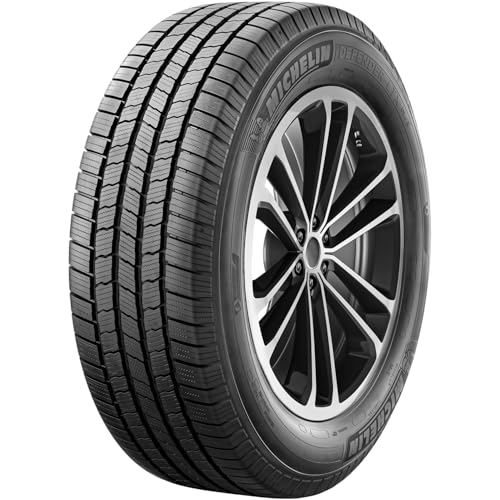
Yes, trailer tires are worth it for anyone who tows heavy loads regularly. They’re specifically designed to handle the unique stresses of trailer towing, offering better stability, heat dissipation, and load capacity than standard passenger tires. However, for light-duty or infrequent towing, passenger tires may suffice if properly inflated and rated.
What Makes Trailer Tires Different
Trailer tires, often marked ST (Special Trailer), have stiffer sidewalls and deeper tread patterns than passenger tires. They’re built to withstand the constant side-to-side forces and heat buildup from towing. A typical ST tire can handle up to 50 psi, whereas passenger tires max out around 35-44 psi. This higher pressure reduces tire flex and heat, which is the leading cause of trailer tire blowouts. The rubber compound is also formulated to resist ozone cracking and dry rot, common issues when trailers sit unused.
When Trailer Tires Are a Must
If you tow a boat, RV, or utility trailer that exceeds 3,000 pounds gross vehicle weight rating (GVWR), ST tires are strongly recommended. They provide a safety margin that passenger tires lack. For example, a common 5,000-pound trailer requires tires rated for at least 1,250 pounds each at 50 psi. Passenger tires of the same size might only be rated for 1,100 pounds at 35 psi, leading to overload and blowout risk. Also, ST tires have a maximum speed rating of 65 mph, which is adequate for legal towing speeds. If you often drive at highway speeds for long distances, the heat resistance of ST tires is invaluable.
When You Might Skip Trailer Tires
For small, lightweight trailers under 2,000 pounds GVWR, such as a small utility trailer or a lightweight camper, passenger tires can work if they’re load-rated appropriately. However, you must check the tire’s load index and ensure it exceeds the trailer’s weight by at least 20%. Also, consider the trailer’s usage: if it sits for months, ST tires resist dry rot better. Another exception is if you use a trailer with a low center of gravity and short trips at moderate speeds. In such cases, the cost savings of passenger tires might be justified, but always err on the side of caution.
Cost vs. Safety: The Real Trade-Off
Trailer tires typically cost 20-40% more than comparable passenger tires. For example, a set of four ST tires for a 5,000-pound trailer might run $400-$600, while passenger tires could be $300-$450. The extra cost buys peace of mind and reduced risk of a blowout, which can cause a catastrophic accident. A single blowout at highway speeds can lead to loss of control, jackknifing, or rollover. Considering the potential cost of an accident, medical bills, and trailer repair, the premium for ST tires is a wise investment. Also, ST tires often last longer because they’re designed for the specific load and wear patterns of trailers.
Frequently Asked Questions
Can I use passenger tires on my trailer in an emergency?
Yes, but only as a temporary fix. Passenger tires lack the load capacity and heat resistance for sustained towing. Replace them with proper ST tires as soon as possible. Keep speed under 55 mph and reduce load if possible.
How do I know if my trailer tires are worn out?
Check for cracks in the sidewall, tread wear indicators, or bulges. Trailer tires should be replaced every 5-6 years regardless of tread depth, as rubber degrades over time. Also, look for uneven wear which may indicate alignment issues.
What is the best brand for trailer tires?
Popular brands include Goodyear, Carlisle, and Maxxis. Choose based on your trailer’s weight and typical speed. Read reviews and consider your budget. Always buy tires with a load rating that exceeds your trailer’s GVWR.
The Bottom Line
Trailer tires are worth the investment for most towing applications. They offer superior safety, durability, and performance compared to passenger tires. While they cost more upfront, the risk of a blowout and potential damage is far greater. For light, infrequent towing, passenger tires might be acceptable, but always prioritize safety. Check your trailer’s GVWR and tire pressure regularly. For more tire advice, explore our tire guide and synthetic oil recommendations.