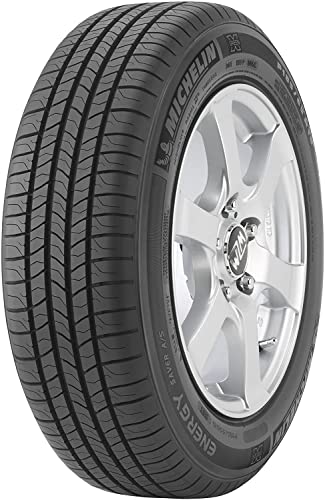
Tire rotation is absolutely worth it for most drivers. Rotating your tires every 5,000 to 7,500 miles can extend tread life by and improve handling and safety. The cost is typically $20 to $50 at a shop, or free if you do it yourself, making it one of the most cost-effective maintenance tasks.
Why Tire Rotation Matters
Tires wear unevenly due to differences in weight distribution, driving habits, and drivetrain layout. Front tires on front-wheel-drive cars wear faster because they handle steering, acceleration, and most braking. Rotation evens out wear, so all four tires last longer. Without rotation, you might replace tires 10,000 to 15,000 miles sooner.
How Often Should You Rotate Tires?
Most manufacturers recommend rotation every 5,000 to 7,500 miles, or at every oil change. Check your owner’s manual for specific intervals. For severe driving conditions like lots of stop-and-go traffic or rough roads, consider rotating more often, around 4,000 to 5,000 miles. Ignoring rotation can lead to premature replacement and reduced traction.
Cost vs. Benefit: Is It Worth the Money?
Rotation costs $20 to $50 at a tire shop or dealership, and many places offer free rotation if you bought tires there. DIY rotation is free if you have a jack and jack stands. A set of four tires can cost $400 to $1,000, so extending their life by 10,000 to 20,000 miles saves real money. Even if you pay $50 each time over 50,000 miles, that’s about $350 to $500 in rotation costs versus potentially buying tires a year early. The math works in your favor.
When Rotation Might Not Be Worth It
If your tires are directional or staggered (different sizes front and rear), rotation options are limited. Directional tires can only be rotated front to back on the same side. Staggered setups on some sports cars can’t be rotated at all. Also, if your tires are nearly worn out or you plan to replace them soon, skipping a rotation is fine. But for most cars with non-directional, same-size tires, rotation is a no-brainer.
Frequently Asked Questions
Does tire rotation affect alignment?
No, rotation doesn’t change alignment. Alignment is about suspension angles, while rotation moves tires to different positions. However, if you feel vibration after rotation, it could indicate a balance issue.
Can I rotate tires myself?
Yes, with basic tools: a jack, jack stands, and a lug wrench. Follow your vehicle’s recommended rotation pattern. If unsure, a shop can do it quickly and safely.
What happens if I never rotate my tires?
Uneven wear accelerates, leading to earlier replacement. Front tires on front-wheel-drive cars may wear out twice as fast as rears, reducing overall tire life and compromising wet traction and handling.
The Bottom Line
For the vast majority of drivers, tire rotation is a cheap and effective way to maximize tire lifespan and maintain safety. The small time or money investment pays off in extended tread life and better performance. Check your owner’s manual, stick to a regular schedule, and your tires will thank you. For more tire care tips, see our tire guide.