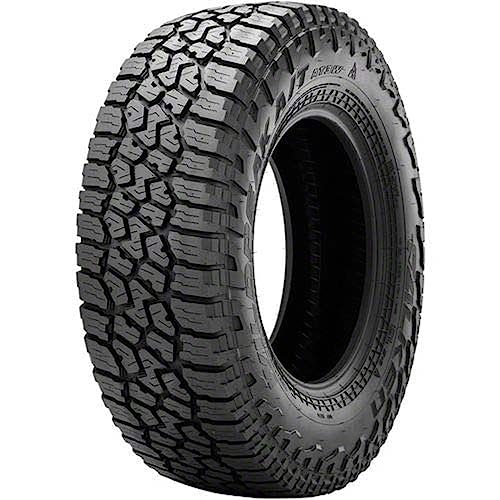
Run-flat tires allow you to continue driving for up to 50 miles at speeds up to 50 mph after a complete loss of air pressure, eliminating the need for an immediate roadside tire change. However, they come with trade-offs: higher cost, stiffer ride, and limited repairability. Whether they’re worth it depends on your driving habits, vehicle type, and tolerance for compromise.
What Are Run-Flat Tires and How Do They Work?
Run-flat tires have reinforced sidewalls that support the vehicle’s weight even when air pressure is lost. There are two main types: self-supporting (most common) and auxiliary-supported (using a support ring). Self-supporting run-flats have thicker rubber and stronger inserts in the sidewall, allowing the tire to carry the load without air. Most run-flat systems require a tire pressure monitoring system (TPMS) to alert you of pressure loss, as the tire may not look flat visually.
The Pros: Safety, Convenience, and Trunk Space
The biggest advantage of run-flats is safety. If you experience a blowout at highway speeds, a run-flat tire maintains stability and control, reducing the risk of an accident. You also avoid the danger of changing a tire on a busy roadside or in bad weather. Convenience is another key benefit: you can drive to a tire shop instead of waiting for roadside assistance. Also, cars equipped with run-flats typically don’t carry a spare tire, freeing up trunk space and reducing vehicle weight, which can slightly improve fuel economy.
The Cons: Cost, Ride Quality, and Repairability
Run-flat tires cost 30-40% more than standard tires. For example, a standard all-season tire might cost $120, while its run-flat counterpart could be $170 or more. The stiff sidewalls also result in a harsher ride, transmitting more road imperfections into the cabin. Many drivers report increased road noise as well. Repairability is limited: most manufacturers recommend replacing run-flat tires after any puncture, even if it’s repairable on a standard tire. This is because the sidewall may have been damaged during the low-pressure drive. Finally, not all tire shops stock run-flats, so finding replacements can be difficult, especially in remote areas.
Are Run-Flat Tires Right for You? A Breakdown by Driving Needs
If you primarily drive in urban areas with easy access to tire shops and roadside assistance, run-flats may not be worth the extra cost and ride penalty. However, if you frequently drive long distances in remote areas, or if you have a physical condition that makes changing a tire difficult, the peace of mind can justify the expense. Performance car owners often find run-flats acceptable because their vehicles already have stiff suspensions. For family sedans and SUVs, the trade-off is harder to swallow. Also consider that some cars, like many BMWs and MINIs, come from the factory with run-flats and are tuned for them; switching to standard tires may affect handling and requires carrying a spare or repair kit.
Frequently Asked Questions
Can run-flat tires be repaired?
In most cases, no. Tire manufacturers and automakers advise against repairing run-flat tires because the sidewall may have been compromised during the low-pressure drive. Some independent shops may repair punctures in the tread area if the tire hasn’t been driven far, but this voids any warranty and isn’t recommended for safety.
How long can you drive on a run-flat tire?
Most run-flat tires allow you to drive up to 50 miles at a maximum speed of 50 mph after a puncture. Actual distance depends on factors like temperature, load, and road conditions. It’s best to replace the tire as soon as possible.
Do run-flat tires wear out faster?
Run-flat tires often have shorter tread life compared to standard tires due to their stiffer construction and heavier weight. Expect to replace them 5,000-10,000 miles sooner, depending on driving habits and alignment. They also can’t be rotated as easily if directional, which can accelerate wear.
The Bottom Line
Run-flat tires are worth it for drivers who prioritize safety and convenience over cost and ride comfort. They eliminate the need for a spare tire and provide peace of mind in emergencies. However, for most drivers, the higher price, harsher ride, and limited repairability make standard tires a better value. If you decide to switch from run-flats, ensure your vehicle has a spare tire kit or a reliable jump starter for emergencies. For more tire advice, check out our tire category.