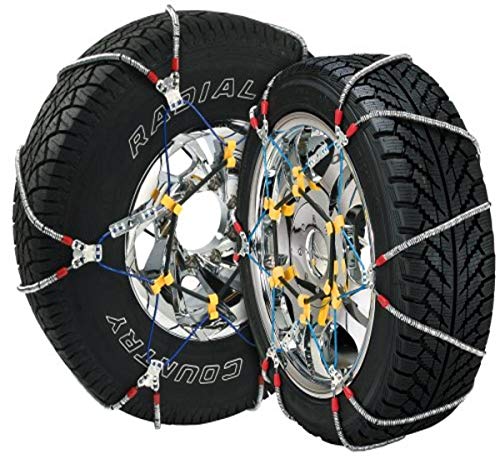
All-season tires are worth it for drivers in mild climates who want a single set of tires for year-round use, but they aren’t ideal for severe snow or high-performance driving. These tires provide a balance of dry, wet, and light snow traction, but they sacrifice extreme performance in any single condition. For most drivers in regions with moderate weather, all-season tires offer convenience and cost savings, but those facing harsh winters or demanding driving habits may need dedicated seasonal tires.
How All-Season Tires Perform in Different Conditions
All-season tires are designed to handle a range of conditions, but they excel in none. In dry conditions, they provide adequate grip and handling, but performance tires offer better cornering and braking. In wet conditions, all-season tires have decent hydroplaning resistance and wet braking, but dedicated summer or rain tires outperform them. In light snow (up to a few inches), all-season tires can manage with moderate traction, but they fall short in deep snow or ice compared to winter tires. The rubber compound in all-season tires remains flexible in moderate cold but hardens in freezing temperatures, reducing grip. For example, tests show that all-season tires can stop a car from 60 mph on snow in about 200 feet, while winter tires stop in roughly 150 feet. That 50-foot difference can be critical in an emergency.
Cost and Convenience vs. Dedicated Tires
The main advantage of all-season tires is convenience: you buy one set and use them year-round, avoiding the hassle and storage of seasonal tire swaps. They also save money upfront compared to buying two sets of tires. However, the trade-off is reduced performance and potentially shorter tread life if used in extreme conditions. All-season tires typically last 50,000 to 70,000 miles, but winter tires wear faster in warm weather and summer tires wear faster in cold. If you live in an area with mild winters (occasional snow, temperatures rarely below 20°F), all-season tires are a practical choice. But if you face heavy snow or ice, the safety benefits of winter tires outweigh the extra cost. Also, performance-oriented drivers may prefer summer tires for better handling and braking in warm weather.
When All-Season Tires Aren’t Worth It
All-season tires aren’t worth it if you regularly drive in severe winter conditions, such as deep snow, ice, or temperatures consistently below 20°F. In these conditions, winter tires provide significantly better traction and shorter stopping distances. Similarly, if you own a sports car or drive aggressively, all-season tires will limit your car’s handling capabilities. For high-performance vehicles, summer tires are a better match. Also, if you have the budget and storage space, investing in two sets of tires (summer and winter) maximizes safety and performance year-round. Some drivers also opt for all-terrain tires if they frequently drive off-road, as all-season tires are primarily designed for paved roads.
Frequently Asked Questions
Are all-season tires good in snow?
All-season tires are acceptable in light snow (up to 2-3 inches) but struggle in deeper snow or ice. They lack the deep tread and specialized rubber of winter tires, so for heavy snow, winter tires are much safer.
How long do all-season tires last?
Most all-season tires have a treadwear warranty of 50,000 to 70,000 miles, but actual lifespan depends on driving habits, road conditions, and maintenance. Proper inflation and rotation can extend their life.
Can I use all-season tires year-round?
Yes, all-season tires are designed for year-round use in moderate climates. However, they aren’t recommended for extreme heat or cold. In very hot climates, summer tires may perform better, and in very cold climates, winter tires are safer.
The Bottom Line
All-season tires are a practical compromise for drivers in mild climates who want one set of tires for all seasons. They offer decent performance in dry, wet, and light snow conditions, but they can’t match the specialized capabilities of summer or winter tires. For safety in harsh winters or peak performance, dedicated tires are worth the investment. If you decide all-season tires are right for you, check out our guide to the best tires for your vehicle. And for other essential car gear, see our recommendations for best jump starters.