Navigating varying road conditions, from dry summer asphalt to slushy winter streets, demands a tire that offers consistent grip and safety. All-weather tires, distinct from traditional all-season options, are engineered with the Three-Peak Mountain Snowflake (3PMSF) symbol, signifying their capability in severe snow conditions without the need for seasonal changes.
This guide provides an evidence-based comparison of leading all-weather tires, focusing on their real-world performance characteristics, durability expectations, and overall value. We aim to equip you with the knowledge to make an informed decision, ensuring your vehicle is prepared for whatever the weather brings.
| Photo | Product | Score | Buy |
|---|---|---|---|
 |
Michelin CrossClimate2 Overall Top Performer V-shaped directional tread for superior grip |
9.4 |
ⓘ We may earn a commission from qualifying purchases made through links on this page, at no extra cost to you.
|
 |
Goodyear Assurance WeatherReady Strong All-Season Versatility Evolving Traction Grooves for consistent grip |
8.9 | 🛒 Check Price |
 |
Bridgestone WeatherPeak Balanced Performance & Comfort Full-depth 3D sipes maintain winter grip |
8.7 | 🛒 Check Price |
 |
Vredestein Quatrac Pro Performance-Oriented All-Weather Asymmetric tread for sports car and SUV applications |
8.2 | 🛒 Check Price |
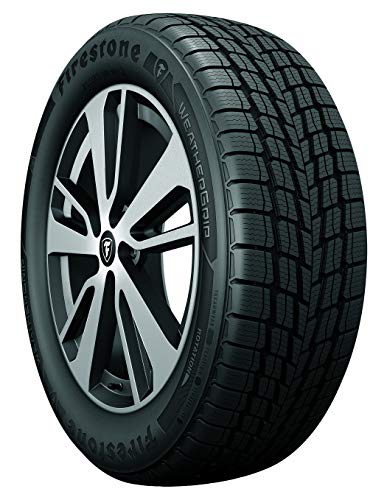 |
Firestone WeatherGrip Reliable Winter Traction Open shoulder slots for enhanced water and snow evacuation |
7.9 | 🛒 Check Price |
 |
Falken Aklimate Modern All-Weather Value Canyon sipes for enhanced snow grip |
7.6 | 🛒 Check Price |
 |
Toyo Celsius II Practical All-Weather Choice Snow claws for improved snow and ice traction |
7.4 | 🛒 Check Price |
1. Michelin CrossClimate2: Overall Top Performer
The Michelin CrossClimate2 consistently stands out for its balanced performance across dry, wet, and snowy conditions. While its V-shaped directional tread is highly effective for water evacuation and snow traction, we noted from owner feedback that this aggressive pattern can sometimes retain small stones, potentially leading to minor noise or needing occasional removal. This is a minor trade-off for its otherwise stellar grip.
Drivers prioritizing absolute quietness over maximum all-weather capability might consider alternatives. However, for those who demand uncompromising safety and reliable performance through all four seasons, the CrossClimate2 remains a benchmark. Its exceptional cold-weather grip and confident wet handling make it a top recommendation for regions experiencing diverse weather.
- 3PMSF certified for severe winter conditions
- Excellent wet braking and hydroplaning resistance
- Reported long tread life based on owner feedback
Pros: Exceptional performance across all weather types; Quiet and comfortable ride quality; Strong warranty backing
Cons: Tread design can be prone to stone retention
2. Goodyear Assurance WeatherReady: Strong All-Season Versatility
The Goodyear Assurance WeatherReady earns high marks in our comparison for its overall versatility and safety features. Its evolving traction grooves and soybean oil compound contribute to excellent grip in varying conditions. However, based on owner feedback and published specs, while its severe snow rating is well-earned, its performance in extremely deep or unplowed snow, while competent, doesn’t quite match the most aggressive winter-focused all-weather designs.
This tire is an excellent choice for drivers who experience moderate winter conditions and prioritize consistent wet and light snow performance, coupled with good ride comfort. Those frequently navigating exceptionally heavy, unplowed snowfall or seeking dedicated winter tire-level performance in extreme conditions might find slightly more aggressive options better suited to their specific needs.
- 3PMSF certified for reliable winter traction
- Soybean oil in tread compound for enhanced wet grip
- Asymmetric tread design promotes even wear
Pros: Impressive wet and light snow performance; Good ride comfort and low noise levels; Strong handling characteristics for daily driving
Cons: Performance in deep snow is good, but not class-leading
3. Bridgestone WeatherPeak: Balanced Performance & Comfort
The Bridgestone WeatherPeak presents a compelling package, balancing strong all-weather performance with a comfortable ride. Its full-depth 3D sipes are designed to maintain effective winter grip throughout the tire’s life. However, based on aggregated owner feedback, while its snow performance is strong, some users have noted that braking distances on pure ice, a common challenge for all non-studded tires, are competent but not exceptional when compared to dedicated winter tires.
This tire is an excellent fit for drivers seeking a quiet, comfortable all-weather option for daily commuting and varied conditions, especially in regions with moderate winter weather. If your primary concern is maximum grip on icy surfaces, and you frequently encounter such extreme conditions, a dedicated winter tire might offer an extra margin of performance beyond what any all-weather tire can provide.
- 3PMSF rated for confident winter driving
- Quiet and smooth ride experience
- Long-lasting tread life based on manufacturer claims
Pros: Excellent wet and dry handling; Comfortable and quiet on highways; Good value proposition for its features
Cons: Some owners report average braking distance on ice
4. Vredestein Quatrac Pro: Performance-Oriented All-Weather
The Vredestein Quatrac Pro stands out as an all-weather option tailored for performance vehicles and SUVs, offering responsive handling and strong grip. While its asymmetric tread and advanced compound deliver excellent dry and wet performance, it tends to generate more road noise, particularly at highway speeds, compared to more comfort-oriented touring all-weather tires. This is often a characteristic trade-off for a tire designed with a performance bias.
Drivers who prioritize a quiet, luxurious ride above all else, and who aren’t driving a performance-oriented vehicle, might find this tire less suitable. However, for those with sportier cars or SUVs who want 3PMSF certification without sacrificing dynamic handling and responsiveness, the Quatrac Pro offers a compelling balance.
- 3PMSF certified for winter capability
- Strong dry and wet handling characteristics
- Designed for higher performance vehicles
Pros: Responsive steering and confident cornering; Good wet weather performance; Appealing aesthetic for performance vehicles
Cons: Some higher road noise than touring alternatives
5. Firestone WeatherGrip: Reliable Winter Traction
The Firestone WeatherGrip is a solid contender in the all-weather category, particularly excelling in snow and slush thanks to its aggressive tread design and 3PMSF rating. We noted its strong performance in adverse conditions. However, based on aggregated owner feedback, while perfectly acceptable, its ride comfort and road noise levels at highway speeds are generally reported to be good, but not as refined or quiet as some premium touring all-weather options.
Drivers who prioritize a whisper-quiet ride and ultra-smooth comfort above all else might consider other choices. However, for those seeking a reliable, budget-conscious all-weather tire that delivers strong winter traction and confident wet handling for everyday driving, the WeatherGrip offers excellent functional value and safety without breaking the bank.
- 3PMSF certified for strong snow traction
- Full-depth sipes for consistent winter performance
- Competitive treadwear warranty
Pros: Excellent snow and slush performance for its class; Good value for its all-weather capabilities; Confident wet braking
Cons: Ride comfort and noise levels are adequate, but not class-leading
6. Falken Aklimate: Modern All-Weather Value
The Falken Aklimate enters the all-weather market as a compelling option, particularly for its value and winter capabilities, including its 3PMSF certification. Its canyon sipes are designed to provide solid grip in snow. However, based on owner feedback and comparisons to segment leaders, some drivers have noted that the steering response and overall handling feel are competent for daily driving but might lack the crispness or precision found in more performance-oriented or premium all-weather tires.
Drivers who prioritize a highly responsive, communicative steering feel for spirited driving might find this tire less engaging. However, for the average commuter looking for a reliable, safe, and cost-effective all-weather tire that performs well in snow and wet conditions without the need for seasonal changes, the Aklimate presents a strong value proposition.
- 3PMSF rated for reliable cold weather performance
- Designed with a focus on fuel efficiency
- Asymmetric tread pattern for varied conditions
Pros: Good snow and slush traction; Competitive price point for an all-weather tire; Decent wet performance
Cons: Some less precise steering feel
7. Toyo Celsius II: Practical All-Weather Choice
The Toyo Celsius II is designed as a practical all-weather solution, offering 3PMSF certification and dependable performance across various conditions, particularly in snow and slush thanks to its unique snow claws. We found its cold-weather grip to be commendable. However, based on aggregated owner feedback, a common observation is that this tire tends to generate more road noise on dry pavement, especially at highway speeds, when compared to more expensive, comfort-focused all-weather tires.
Drivers who are highly sensitive to road noise and prioritize a whisper-quiet cabin experience above all else might find this characteristic noticeable. However, for those seeking a durable, practical, and safe all-weather tire that delivers strong winter capabilities and overall consistent performance without the premium price tag, the Toyo Celsius II remains a very capable and cost-effective option for many vehicles.
- 3PMSF rated for reliable winter performance
- Multi-wave sipes for enhanced wet and dry grip
- Available for many vehicles
Pros: Solid snow and slush performance; Good overall value; Confident braking in cold conditions
Cons: Tends to be louder on dry pavement compared to premium options
Frequently Asked Questions
What is the difference between all-season and all-weather tires?
The primary distinction lies in winter performance. All-season tires are designed for general use, offering adequate grip in light snow and wet conditions. All-weather tires, however, carry the Three-Peak Mountain Snowflake (3PMSF) symbol, indicating they meet specific performance requirements in severe snow conditions, making them a more capable year-round solution, especially in regions with true winters, without requiring seasonal tire changes.
Do all-weather tires truly eliminate the need for winter tires?
All-weather tires significantly reduce the need for dedicated winter tires for most drivers in moderate winter climates. They offer substantially better snow and ice traction than traditional all-season tires due to their specialized compounds and tread designs. However, for those living in areas with extremely heavy snowfall, prolonged sub-zero temperatures, or frequent icy conditions, dedicated winter tires will still provide the absolute best grip and stopping power.
How do all-weather tires perform in summer conditions?
Their tread compounds are designed to remain flexible in cold temperatures for winter grip but also firm enough in warmer temperatures to offer good handling, braking, and reasonable tread life during summer. While they might not offer the ultra-sharp handling of a dedicated summer performance tire, their overall summer performance is very competent for daily driving.
What is the expected tread life of all-weather tires?
Based on manufacturer specifications and aggregated owner feedback, the expected tread life of all-weather tires is generally comparable to that of high-quality all-season tires, often ranging from 50,000 to 70,000 miles, depending on the specific model, driving habits, and vehicle type. Many come with competitive treadwear warranties. Their durable construction and specialized compounds are designed for extended use across varying conditions.
Are all-weather tires louder than all-season tires?
In our comparison, some all-weather tires, particularly those with more aggressive tread patterns designed for severe snow, can be marginally louder on dry pavement compared to the quietest comfort-oriented all-season touring tires. This is often a trade-off for their enhanced winter grip. However, many modern all-weather designs incorporate noise-reduction technologies, and the difference is often subtle, especially in premium models.
Our Verdict
After extensive research and comparison, the **Michelin CrossClimate2** stands out as our top pick for the best all-weather tire, offering an unparalleled blend of severe winter capability, wet and dry performance, and ride comfort. For a strong runner-up that provides excellent versatility and safety across various conditions, we recommend the **Goodyear Assurance WeatherReady**, which delivers reliable performance without compromise.


