Choosing the right motor oil for your vehicle is crucial for its longevity and performance. The wrong oil weight can lead to decreased engine health, increased fuel consumption, and even costly repairs. In this guide, we’ll explain what happens if you use the wrong oil weight, how to choose the right one, and the consequences of ignoring the manufacturer’s recommendations.
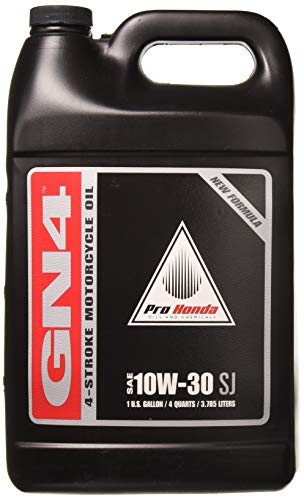
Honda Pro 10W-30 Engine Oil
According to the American Petroleum Institute (API) and the Society of Automotive Engineers (SAE), the correct oil viscosity is determined by factors such as the vehicle’s make, model, engine type, and driving conditions.
What is Oil Viscosity?
Oil viscosity refers to its thickness and flowability at different temperatures. It’s measured in viscosity grades, with thinner oils being classified as 0W-20 or 5W-30, and thicker oils as 10W-40 or 15W-50. The first number (W) indicates the oil’s viscosity in winter, while the second number indicates its viscosity in summer.
The viscosity grade is crucial in determining the right oil for your vehicle. Using the wrong oil can lead to decreased engine performance, increased wear on moving parts, and even damage to your engine.
Consequences of Using the Wrong Oil Weight
- Decreased Engine Performance: The wrong oil weight can lead to decreased engine performance, increased fuel consumption, and reduced horsepower.
- Increased Wear on Moving Parts: Thinner oils can cause increased wear on moving parts, such as piston rings, cylinder walls, and valve train components.
- Damage to Engine: Using the wrong oil weight can lead to premature engine failure, requiring costly repairs or even replacement.
How to Choose the Right Oil Weight
Choosing the right oil weight is crucial for your vehicle’s longevity and performance. The manufacturer’s recommendations should be followed, as the correct oil weight is determined by the vehicle’s make, model, engine type, and driving conditions.
According to the National Highway Traffic Safety Administration (NHTSA) and the Department of Transportation (DOT), using the wrong oil weight can lead to decreased fuel efficiency, increased emissions, and even engine damage.
API and SAE Viscosity Grades
The American Petroleum Institute (API) and the Society of Automotive Engineers (SAE) establish viscosity grades for motor oils. The most common viscosity grades include:
- 0W-20: Thin oil for modern engines with turbochargers or superchargers
- 5W-30: Balanced oil for most passenger vehicles
- 10W-40: Thicker oil for older engines or extreme temperatures
Checking Your Owner's Manual
The owner’s manual is the best resource for determining the correct oil weight for your vehicle. Check the manual for the recommended oil viscosity and any specific requirements for your vehicle’s engine.
Remember, using the wrong oil weight can lead to decreased engine performance, increased wear on moving parts, and even damage to your engine.
Conclusion
Overall, choosing the right oil weight is crucial for your vehicle’s longevity and performance. The wrong oil weight can lead to decreased engine performance, increased wear on moving parts, and even damage to your engine.
By following the manufacturer’s recommendations and checking your owner’s manual, you can ensure the correct oil weight is used in your vehicle.
Frequently Asked Questions
What happens if I use the wrong oil weight?
Using the wrong oil weight can lead to decreased engine performance, increased wear on moving parts, and even damage to your engine. It’s essential to follow the manufacturer’s recommendations and check your owner’s manual to ensure the correct oil weight is used in your vehicle.
How do I choose the right oil weight?
Choosing the right oil weight is determined by the vehicle’s make, model, engine type, and driving conditions. Check your owner’s manual for the recommended oil viscosity and consult with a mechanic if you’re unsure.
Can I use a synthetic oil instead of conventional oil?
Synthetic oils are designed for high-performance engines and can provide better fuel efficiency and engine protection. However, they may not be necessary for most passenger vehicles. Consult with a mechanic to determine if synthetic oil is right for your vehicle.
What are the consequences of using the wrong oil weight?
The consequences of using the wrong oil weight include decreased engine performance, increased wear on moving parts, and even damage to your engine. This can lead to costly repairs or even engine replacement.
Can I use the same oil weight for winter and summer?
No, using the same oil weight for winter and summer can lead to decreased engine performance and increased wear on moving parts. It’s essential to use a multi-viscosity oil that can adapt to changing temperatures.
The Bottom Line
Overall, choosing the right oil weight is crucial for your vehicle’s longevity and performance. By following the manufacturer’s recommendations, checking your owner’s manual, and using the correct oil weight, you can ensure the best possible performance and protection for your engine.