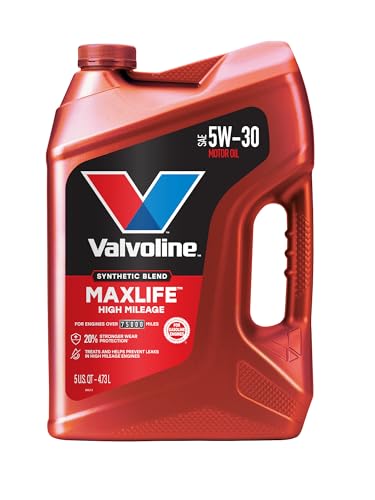
Oil pressure tells you how well your engine’s lubrication system is working, directly reflecting engine health. Normal oil pressure typically ranges from 25 to 65 psi depending on engine speed and temperature, and deviations from this range can signal serious problems like worn bearings, a failing oil pump, or clogged oil passages.
What Oil Pressure Indicates About Engine Condition
Oil pressure is created by the oil pump pushing oil through the engine’s passages and bearings. The pressure reading depends on oil viscosity, pump output, bearing clearances, and oil level. A healthy engine maintains steady pressure within the manufacturer’s specified range. Low pressure often means worn main or rod bearings, a weak oil pump, or low oil level. High pressure can result from using too-thick oil, a stuck pressure relief valve, or blocked passages. Sudden drops or fluctuations point to immediate issues needing attention.
Normal Oil Pressure Ranges and What They Mean
At idle, most engines run between 10-25 psi, while at cruising speed, 40-65 psi is typical. Older engines may have lower idle pressure due to bearing wear. Check your owner’s manual for exact specs. If pressure drops below 10 psi at idle when hot, or below 20 psi at speed, investigate. Consistently high pressure above 80 psi can damage seals and filters. Use a quality oil like those in our best synthetic oil guide to maintain proper viscosity and pressure.
Common Causes of Low Oil Pressure and Risks
Low oil pressure is the most common warning. Causes include: low oil level (check regularly), worn bearings (clearances too large), failing oil pump (worn gears or relief valve), clogged oil pickup screen, or diluted oil (fuel or coolant contamination). Running with low pressure can quickly destroy an engine through metal-to-metal contact. If your gauge shows low pressure, stop the engine immediately and check oil level. If full, have the pressure tested mechanically. Ignoring it risks catastrophic failure.
High Oil Pressure: Causes and Concerns
High oil pressure is less common but still problematic. It can result from using oil that’s too thick, a stuck pressure relief valve, or blocked oil galleries. High pressure can cause oil filter bypass, seal leaks, and reduced flow to critical parts. If pressure exceeds 80 psi consistently, switch to the recommended viscosity oil. Check your owner’s manual or our best engine oil guide for the right grade. Also inspect the pressure relief valve for sticking.
Frequently Asked Questions
Can I drive with low oil pressure?
No, you should not drive with low oil pressure. Even a few minutes can cause severe engine damage. Pull over safely and turn off the engine. Check the oil level and look for leaks. If the level is fine, have the vehicle towed to a mechanic.
What should I do if my oil pressure gauge fluctuates?
Fluctuating pressure often indicates low oil level, a failing pump, or electrical issues with the sender. First check the oil level and condition. If stable, the sender or gauge may be faulty. Have the system diagnosed with a mechanical gauge.
Does oil pressure change with temperature?
Yes, oil pressure is higher when cold because oil is thicker. As the engine warms, pressure drops to normal operating range. A drop of 5-10 psi from cold to hot is normal. If pressure drops too low when hot, it indicates wear or thin oil.
The Bottom Line
Oil pressure is a vital sign of engine health. Normal pressure means your lubrication system is working, but any deviation warrants immediate attention. Regular oil changes with the correct viscosity and quality oil help maintain proper pressure. Always investigate unusual readings promptly to avoid costly repairs.