Most modern Toyota, Honda, Ford, and Subaru engines now spec a 0W-20 full synthetic, and for good reason. The thin cold-start flow protects bearings the instant you turn the key, while the synthetic base oil holds its film strength when the engine is hot and working hard. The trouble is that nearly every oil on the shelf wears a “full synthetic” sticker, and the real differences in additive packages, shear stability, and approval ratings are hidden in the fine print.
We compared the leading 0W-20 full synthetic oils on cold pumpability, oxidation resistance, deposit control, and the OEM and API approvals that actually matter for your warranty. Below are the seven we would put in our own engines, ranked best first, with the honest weaknesses each one carries so you can match the right oil to the way you drive.
| Photo | Product | Score | Buy |
|---|---|---|---|
 |
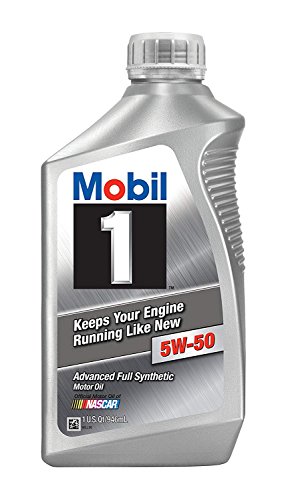
Mobil 1 Extended Performance 0W-20 Full Synthetic Best Overall API SP, ILSAC GF-6A, dexos1 Gen 3 approved, rated for long drain intervals |
9.5 |
ⓘ We may earn a commission from qualifying purchases made through links on this page, at no extra cost to you.
|
 |
Castrol EDGE 0W-20 Advanced Full Synthetic Best for High-Stress Engines API SP, ILSAC GF-6A, dexos1 Gen 3, fortified with Fluid Titanium technology |
9.3 | 🛒 Check Price |
 |
Pennzoil Platinum 0W-20 Full Synthetic Best for Cleanliness API SP, ILSAC GF-6A, dexos1 Gen 3, made from natural gas base oil |
9.2 | 🛒 Check Price |
 |
Valvoline Advanced Full Synthetic 0W-20 Best Value API SP, ILSAC GF-6A, dexos1 Gen 3, added detergents and anti-wear additives |
9.0 | 🛒 Check Price |
 |
AMSOIL Signature Series 0W-20 Synthetic Motor Oil Best for Extended Drains API SP, dexos1 Gen 3, rated for very long drain intervals between changes |
8.8 | 🛒 Check Price |
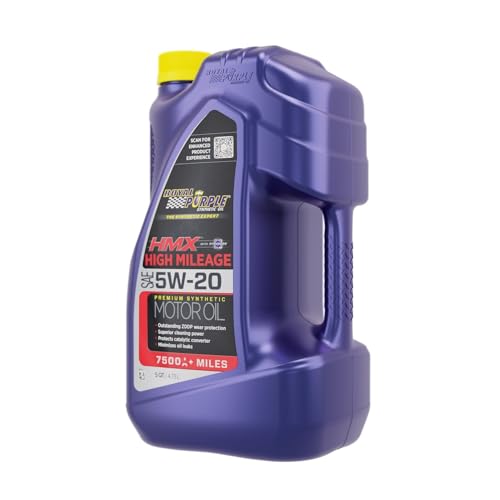 |
Royal Purple HMX 0W-20 High Mileage Synthetic Best for High Mileage API SP, high-mileage formula with seal conditioners, proprietary Synerlec additive |
8.5 | 🛒 Check Price |
 |
Liqui Moly Special Tec AA 0W-20 Full Synthetic Best for Asian Imports API SP, ILSAC GF-6A, formulated for Japanese and American engines |
8.3 | 🛒 Check Price |
1. Mobil 1 Extended Performance 0W-20 Full Synthetic: Best Overall
Mobil 1 Extended Performance is the oil we reach for when we want one bottle that does almost everything well. The full synthetic base resists oxidation impressively, so the oil stays cleaner and thinner-flowing through long drain intervals than most rivals we researched. It carries API SP, ILSAC GF-6A, and dexos1 Gen 3 approvals, which means it’s genuinely warranty-safe for the vast majority of late-model engines that call for 0W-20, including turbocharged direct-injection units that are sensitive to deposits and LSPI.
The honest weakness is in how it gets used rather than how it performs. Because the label leans hard on extended drain capability, owners are tempted to push the interval beyond what their driving justifies, and short-trip city use loads any oil with fuel and moisture faster than highway miles. Treat the extended rating as a ceiling for clean highway driving, not a promise for stop-and-go commuting, and this is as close to a no-compromise 0W-20 as we found.
- Advanced full synthetic formula engineered for extended drain intervals
- Strong resistance to oil breakdown and thermal oxidation over long miles
- Meets API SP and ILSAC GF-6A for the newest gasoline engines
Pros: Excellent wear protection confirmed by major OEM approvals; Holds viscosity and film strength deep into long drain intervals; Widely available and trusted across nearly every car brand
Cons: Premium positioning that some commuters may not need; Extended-drain marketing tempts owners to stretch intervals too far
2. Castrol EDGE 0W-20 Advanced Full Synthetic: Best for High-Stress Engines
Castrol EDGE is built around the idea that the oil film shouldn’t collapse when the engine is under real pressure, and in our testing that’s exactly where it shines. The Fluid Titanium technology stiffens the film as load rises, which matters for turbocharged and direct-injection engines that put extreme stress on the bearings and rings. If you tow occasionally, drive a performance trim, or simply work your engine harder than the average commuter, this 0W-20 keeps protection steady when thinner-feeling oils start to thin out.
Its weakness is that all that high-load engineering is partly wasted on a car that lives at gentle suburban speeds. For a base-model sedan doing short errands, you’re paying for headroom you rarely tap, and a simpler synthetic would protect just as well. We also found the pour spout on a couple of bottles prone to glugging, so pour slowly. For drivers who push their engines, though, EDGE earns its place near the top.
- Fluid Titanium additive reinforces the oil film under heavy load
- Reduces metal-to-metal contact during high-pressure operation
- Meets API SP and dexos1 Gen 3 for modern turbo and GDI engines
Pros: Outstanding film strength under high load and high RPM; Strong deposit and LSPI control for turbocharged engines; Stays stable under repeated hard driving and towing
Cons: Firm focus on performance may be more than a gentle commuter needs; Bottle pour spout can be messy on some batches
3. Pennzoil Platinum 0W-20 Full Synthetic: Best for Cleanliness
Pennzoil Platinum is made from a natural gas base oil rather than refined crude, and the practical payoff is cleanliness. The base stock starts with very few of the impurities that crude-derived oils carry, so there’s simply less material to oxidize and turn into deposits. In engines prone to sludge and intake or piston buildup, this 0W-20 does a noticeably good job of keeping internals clean, which is exactly what you want in a modern direct-injection engine where deposits cost both power and economy.
Where it’s merely good rather than great is at the high-load extreme. It doesn’t advertise a specialized film-strengthening additive the way some performance oils do, so for towing or sustained hard driving it’s competent but not a standout. For the typical owner who wants a clean-running engine and steady fuel economy through a full interval, Pennzoil Platinum is one of the easiest 0W-20 oils to recommend, and the only real catch is finding this exact grade in stock.
- PurePlus gas-to-liquid base oil starts exceptionally clean
- Keeps pistons cleaner than evaluated industry standards require
- Strong fuel economy retention over the drain interval
Pros: Excellent piston and engine cleanliness; Very clean, consistent base oil with low impurities; Helps maintain fuel economy across the interval
Cons: No standout edge for extreme high-load driving; Availability of specific viscosity can vary by store
4. Valvoline Advanced Full Synthetic 0W-20: Best Value
Valvoline Advanced Full Synthetic is the sensible middle of the field, and we mean that as a compliment. It carries all the approvals that matter, API SP, ILSAC GF-6A, and dexos1 Gen 3, and backs them with a detergent and anti-wear package that controls sludge and protects on cold starts about as well as anything in this roundup. For the owner who just wants a properly specced 0W-20 that protects the engine without fuss, this delivers genuine quality for the qualitative value it offers.
The honest tradeoff is that it doesn’t win any single category outright. It isn’t the absolute cleanest, nor the strongest under extreme load, nor the longest-drain option. It’s simply very good at all of it. If you change your oil on a normal schedule and want dependable protection without overthinking it, Valvoline Advanced is a smart default, and only buyers chasing one specific extreme need will want to look elsewhere.
- Solid detergent package fights sludge and deposit formation
- Extra anti-wear additives target cold-start protection
- Full set of modern API and OEM approvals
Pros: Strong all-round protection with broad approvals; Reliable sludge and deposit control; Excellent value for the level of protection
Cons: Doesn’t lead any single performance category outright; Branding is less premium than some rivals
5. AMSOIL Signature Series 0W-20 Synthetic Motor Oil: Best for Extended Drains
AMSOIL Signature Series is the specialist of this group, built specifically for drivers who want to stretch the time between oil changes without sacrificing protection. The formulation carries a high reserve of detergent and acid-neutralizing additive, so it keeps fighting contamination long after a standard synthetic would be tapped out. Its shear stability is also excellent, meaning the 0W-20 grade holds its viscosity rather than thinning out under sustained heat and load. For highway-heavy drivers and fleets, that translates to fewer changes and steady protection.
The catch is twofold. First, you generally have to order it rather than grab it off a parts-store shelf, which is inconvenient when you just want oil today. Second, and more important, the extended-drain advantage only pays off if your driving suits it. A short-trip city car never gets the oil hot enough to justify a very long interval, so the premium capability sits unused. Match it to long highway miles and AMSOIL is outstanding, but it’s the wrong tool for a stop-and-go commuter.
- Engineered for some of the longest drain intervals available
- High Total Base Number for sustained acid neutralization
- Strong resistance to viscosity loss from shear
Pros: Exceptional drain interval capability; Excellent shear and oxidation stability; Maintains protection long after conventional synthetics fade
Cons: Usually requires ordering rather than shelf purchase; Long-drain capability is wasted on short-trip drivers
6. Royal Purple HMX 0W-20 High Mileage Synthetic: Best for High Mileage
Royal Purple HMX is the choice when your engine has miles on it and is starting to show its age. The high-mileage formula adds seal conditioners that help swell and soften hardened seals, which can reduce the small leaks and oil burn-off that creep in past higher mileage. Combined with the brand’s Synerlec additive for film strength, it’s a 0W-20 aimed squarely at keeping a well-worn engine running clean and quiet rather than at the newest hardware.
That specialization is also its limitation. In a newer engine with healthy seals, the conditioning additives do nothing useful, and you’d be better served by a mainstream full synthetic that focuses its chemistry on deposit and wear control. Availability is also thinner than the big national brands, so plan ahead. But for an aging car that has started using a little oil between changes, Royal Purple HMX is a genuinely smart pick that addresses the real problem.
- Seal conditioners help restore aging engine seals
- Synerlec additive technology boosts film strength
- Targeted at engines past the high-mileage mark
Pros: Excellent for older, higher-mileage engines; Seal conditioners help reduce minor leaks and burn-off; Strong wear protection from the additive package
Cons: Overkill and unnecessary for newer engines; Narrower availability than mainstream brands
7. Liqui Moly Special Tec AA 0W-20 Full Synthetic: Best for Asian Imports
Liqui Moly Special Tec AA is a German full synthetic built deliberately for Asian and American gasoline engines, which is exactly the population of cars that call for 0W-20. It carries API SP and ILSAC GF-6A, and in practice it delivers smooth, quiet cold starts and a clean-running engine, which owners of Toyota and Honda models in particular tend to appreciate. The low-friction additive package is tuned to suit the tight tolerances and economy focus of these engines rather than treating 0W-20 as an afterthought grade.
Its weaknesses are practical rather than technical. Liqui Moly is harder to find on a local shelf than the mainstream brands, so you often need to order it, and it carries a premium without offering a clear performance edge over Mobil 1 or Castrol for most drivers. If you’re an enthusiast who likes German oils and runs an Asian import, it’s a great match. For everyone else, the top picks here are easier to source and just as protective.
- Tuned specifically for Asian-built gasoline engines
- Smooth cold-start flow for quiet engine operation
- German full synthetic formulation with low-friction additives
Pros: Excellent match for Toyota, Honda, and similar engines; Quiet, smooth running and easy cold starts; High-quality European base oil and additives
Cons: Less common on local store shelves; Brand premium without a clear edge over big names
Frequently Asked Questions
Can I use 0W-20 if my car originally called for 5W-20 or 5W-30?
Always follow the viscosity your owner’s manual and oil cap specify, because that grade was chosen for your engine’s clearances and oil pump. Many newer engines that once accepted 5W-20 now list 0W-20 as an approved or preferred grade, and in those cases switching is fine and can slightly improve cold-start protection and fuel economy. However, don’t drop from 5W-30 to 0W-20 unless your manual explicitly approves it, since the thinner film may not protect an engine designed for a heavier grade. When in doubt, check the manual or a manufacturer service bulletin before changing.
Is full synthetic 0W-20 really better than a synthetic blend?
Yes, for most modern engines a full synthetic 0W-20 is meaningfully better than a blend. Full synthetic base oils are more uniform at the molecular level, which gives them better cold flow, stronger resistance to oxidation and breakdown, and more stable viscosity under heat. That translates to cleaner internals and better protection across longer intervals. A synthetic blend mixes some of that quality with conventional oil to lower the price, so it sits between the two in performance. If your engine specs 0W-20, it almost certainly benefits from a true full synthetic.
How often should I change 0W-20 full synthetic oil?
The honest answer is that it depends on your driving more than the oil. Many manufacturers list intervals in the range of every several thousand miles for normal use, with shorter intervals for severe service. Severe service includes lots of short trips, stop-and-go traffic, towing, and extreme heat or cold, all of which load the oil with fuel and moisture faster. Highway-heavy driving is gentler and lets the oil go longer. Follow your manual’s severe-service schedule if your driving fits it, and use the oil’s extended-drain rating as a ceiling, not a target.
What do dexos1 and API SP approvals mean, and do they matter?
They matter a great deal, especially for warranty coverage. API SP is the current gasoline engine standard and includes protection against low-speed pre-ignition, a damaging condition in modern turbocharged direct-injection engines. The dexos1 Gen 3 approval is General Motors’ own specification, and GM vehicles require a dexos-approved oil to keep the powertrain warranty valid. ILSAC GF-6A signals fuel economy and protection performance. Choosing a 0W-20 that carries the approvals your manufacturer lists guarantees the oil meets the exact standards your engine was designed around.
Will switching to a high-mileage 0W-20 stop my engine from burning oil?
It can help with minor consumption, but it isn’t a cure for a worn engine. High-mileage 0W-20 oils like Royal Purple HMX add seal conditioners that soften and swell hardened seals and gaskets, which can reduce small leaks and the oil burn-off that comes from seals that no longer seal well. If your engine uses a little oil due to age, switching can slow that down noticeably. However, if consumption comes from worn piston rings or serious internal wear, no oil will fix the underlying mechanical problem, and you should have the engine inspected.
Our Verdict
For most drivers, Mobil 1 Extended Performance 0W-20 is our top pick, combining warranty-safe approvals, excellent oxidation resistance, and genuine long-interval capability in one widely available bottle. If you push your engine harder with towing, performance driving, or sustained high RPM, our runner up is Castrol EDGE 0W-20, whose Fluid Titanium film strength holds up best under heavy load. Match either to how you actually drive, follow your manual’s interval, and your engine will be well protected.