Warped rotors cause a pulsating brake pedal and vibration when braking, often due to uneven thickness or surface irregularities. The primary causes are excessive heat from hard braking, improper installation, and pad material transfer, not actual rotor warping in most cases.
Overheating from Aggressive Braking
The most common cause of rotor issues is overheating from repeated hard stops, such as descending a mountain pass or heavy towing. When rotors exceed 600°F, the metal can develop hard spots from uneven cooling, leading to thickness variation. This creates pedal pulsation as the brake pads contact high and low spots. Rotors made from cheap or thin cast iron are more prone to this. To prevent it, avoid prolonged braking; instead, use engine braking and gear down on steep grades.
Improper Installation and Torque
Incorrect rotor installation causes runout (wobble) that mimics warping. If the rotor isn’t seated flush on the hub due to rust or debris, or if lug nuts are tightened unevenly, the rotor deforms when hot. Always clean the hub surface with a wire brush and use a torque wrench to tighten lug nuts in a star pattern to manufacturer specs (typically 80-100 ft-lbs). Even a 0.002 inch runout can cause noticeable pulsation.
Pad Material Transfer (Deposits)
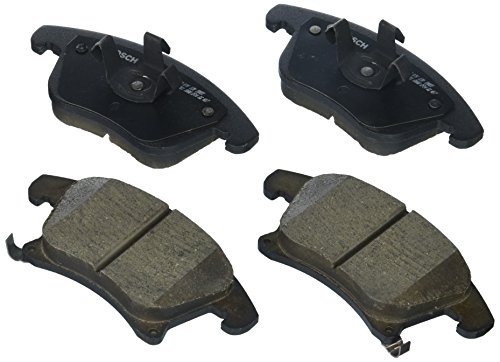
What feels like a warped rotor is often uneven brake pad material deposited on the rotor surface. This happens when you hold the brake pedal while stopped after hard braking, or use cheap pads that don’t bed in properly. The transferred material creates a high spot that causes pulsation. Resurfacing the rotors and properly bedding new pads usually fixes this. Avoid riding the brakes and always follow break-in procedures for new pads.
Frequently Asked Questions
Can warped rotors be fixed without replacing them?
Yes, if the rotors are thick enough, they can be resurfaced (machined) on a lathe to remove thickness variation and deposits. However, many modern rotors are too thin to resurface safely, so replacement is often recommended. Measure thickness with a micrometer and compare to the minimum spec stamped on the rotor.
How long do rotors last before warping?
Rotors typically last 30,000 to 70,000 miles depending on driving habits and rotor quality. Aggressive drivers or those in hilly areas may warp them in 20,000 miles. Using high-quality rotors and pads and avoiding overheating extends life. Check for pulsation or scoring during brake pad changes.
Do drilled or slotted rotors prevent warping?
Drilled and slotted rotors help dissipate heat and gas, reducing the risk of warping from overheating. However, they are more prone to cracking under extreme stress and cost more. For daily driving, quality blank rotors are sufficient. For track use, slotted rotors are better. Avoid cheap drilled rotors as they can crack.
The Bottom Line
Warped rotors are usually caused by heat, improper installation, or pad deposits, not actual metal warping. To prevent issues, brake smoothly, use engine braking on hills, install rotors correctly, and bed pads properly. If you experience pulsation, have your rotors measured and resurfaced or replaced. For more brake care tips, check our brakes category.