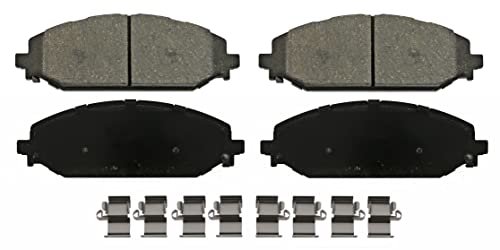
Brakes are your car’s most important safety system, but they can talk to you long before they fail. Different noises signal different problems, and knowing what each sound means can save you money and keep you safe. This guide walks you through the most common brake noises, their causes, and the right action to take.
Squealing or Squeaking
High pitched squeaks are the most common brake complaint. They often happen when the brake pads have worn down to the wear indicator, a small metal tab that rubs against the rotor to warn you. But moisture, dust, or even the pad’s material can also cause squealing, especially in the morning or after rain.
- If the sound is occasional and disappears after a few stops, it may just be surface moisture or dust.
- If it happens constantly, have your pads inspected soon. Driving on worn pads can damage rotors.
Grinding or Growling
A deep grinding or growling noise means metal on metal contact, which is serious. The friction material on your pads is gone, and the metal backing plate is grinding into the rotor. This can ruin your rotors quickly and reduce braking performance.
Do not wait. Replace pads and inspect rotors immediately. Continuing to drive could lead to costly rotor replacement or even brake failure.
Thumping or Pulsing
A rhythmic thumping or a pulsation you feel in the brake pedal often points to a warped rotor. Heat from hard braking can cause the rotor surface to become uneven. When the pads grip, they hit high spots and low spots, creating that pulse.
Often, resurfacing the rotors or replacing them will fix the issue. If you feel a pulse in the steering wheel, the front rotors are likely involved.
Clicking or Rattling
Clicking or rattling sounds when you press the brakes can indicate loose parts. Worn shims, clips, or caliper hardware may let the pads move around. In rare cases, a failing wheel bearing can also produce a click that changes with speed.
Have a mechanic check the brake hardware. It is often a simple fix, but ignoring it could lead to more damage.
Loud Scraping While Driving
If you hear a constant metallic scraping even when not braking, a stone or debris may be lodged between the rotor and the backing plate. This can also happen if the rotor is severely rusted or if a dust shield is bent.
If you can safely inspect, look for visible debris or a bent shield. Otherwise, have it looked at to prevent rotor damage.
When to Take Action
Some noises are harmless, but many indicate wear. As a rule, any new, persistent noise deserves attention. Ask a trusted shop to inspect your brakes, especially if you notice a change in stopping power or pedal feel.
Regular brake inspections, typically during tire rotations or oil changes, can catch problems early. The cost of a small repair now is far less than a full brake job later.
Frequently Asked Questions
What does a high pitched squeal when braking mean?
A high pitched squeal usually means your brake pads are worn down to the wear indicator, which is a metal tab designed to make noise when it touches the rotor. It can also be caused by moisture, dust, or certain pad materials. If it happens only in the morning or after rain, it may just be surface moisture, but if it persists, get your pads checked.
Is it safe to drive with a grinding brake noise?
No. Grinding means metal on metal contact, which can severely damage your rotors and reduce braking performance. Continuing to drive could lead to costly repairs or brake failure. Have your brakes inspected and serviced immediately.
Why do my brakes pulse and thump when I stop?
A pulsing brake pedal or a thumping sound usually indicates warped rotors, often caused by heat from hard braking. The uneven rotor surface makes the pads grab unevenly. You may need to have the rotors resurfaced or replaced, and it is best to get a professional diagnosis.