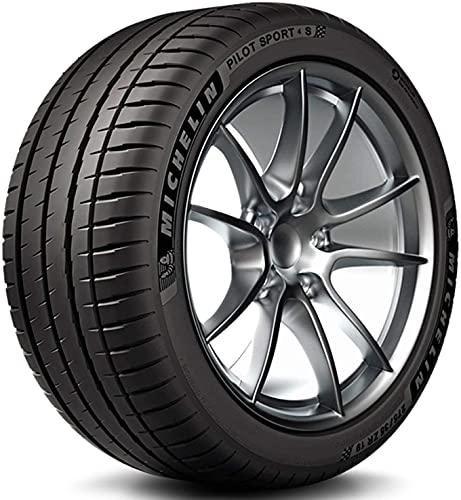
Tire dry rot is the cracking that appears in sidewalls and tread grooves as the rubber’s protective oils and anti-aging compounds break down. The causes are environmental: UV sunlight, ozone in the air, heat cycles, and long periods of sitting still. That last one surprises people, but tires are designed to be driven; flexing circulates the anti-ozonant waxes to the surface, so a car parked for months ages its tires faster than a daily driver ages its own.
What Is Actually Happening in the Rubber
Tire compounds include oils that keep rubber pliable and waxes that migrate outward to sacrifice themselves against ozone attack. Time, UV, and heat evaporate and oxidize these protectors, leaving stiff rubber that cracks under flexing like old garden hose. Ozone, produced by sunlight, electric motors, and city smog, attacks stretched rubber preferentially, which is why cracks concentrate where the sidewall flexes. Once the surface cracks, oxygen reaches deeper rubber and the process accelerates.
When Dry Rot Becomes Dangerous
Fine surface crazing that catches your fingernail but shows no depth is cosmetic aging worth monitoring. Cracks you can insert a fingernail edge into, cracking in the tread grooves, brown discoloration, or any visible cord material mean the tire’s structure is compromised: it can hold air right up until heat and speed find the weak point. Most manufacturers cap tire life at ten years regardless of appearance, and six years is the common replacement recommendation for tires living outdoors in hot, sunny climates.
Prevention That Actually Works
Drive the car at least monthly; flexing is the tire’s own maintenance system. Park in shade or a garage when possible, and keep tires properly inflated, since underinflation increases the flexing stress that opens cracks. Skip solvent-based tire shines that strip the protective waxes; water-based dressings are neutral to mildly helpful. For stored vehicles, tire covers, cardboard between tire and concrete, and slight overinflation all slow the clock. Nothing reverses dry rot; every measure only slows it.
Frequently Asked Questions
Can I drive on tires with minor dry rot?
Shallow surface crazing, yes, with regular inspection. Anything deep enough to catch a fingernail, or any cracking between tread blocks, deserves a shop opinion, and highway trips on visibly cracked tires are a gamble not worth taking.
Does tire dressing prevent dry rot?
Water-based dressings with UV blockers help modestly. Solvent-heavy glossy dressings can actually accelerate rot by dissolving the anti-ozonant waxes, so read the label before shining.
Why did my trailer tires dry rot so fast?
Trailers combine every risk factor: long stationary periods, outdoor sun, and often years of service at low mileage. Trailer tires routinely age out long before they wear out, which is why their sidewalls deserve inspection every season.
The Bottom Line
Dry rot is rubber aging, driven by sun, ozone, heat, and stillness. Drive regularly, park in shade, keep pressures up, and skip solvent shines, then replace on the six-to-ten-year clock no matter how deep the tread looks. Cracked rubber doesn’t announce its failure point in advance.