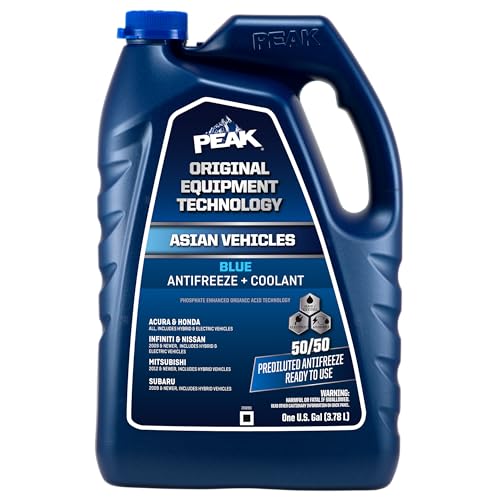
If your car is overheating, the coolant looks rusty or sludgy, or you notice a sweet smell inside the cabin, these are clear signs you need a radiator flush. A radiator flush removes old coolant, debris, and contaminants, restoring your cooling system’s efficiency and preventing costly engine damage.
1. Overheating Engine
An overheating engine is the most obvious sign. When coolant becomes old or contaminated, it loses its ability to transfer heat effectively. If your temperature gauge consistently runs higher than normal, or you see steam from the hood, a flush is likely needed. However, also check for low coolant levels or a stuck thermostat before assuming a flush is the fix.
2. Discolored or Sludgy Coolant
Healthy coolant is typically bright green, orange, or pink. If it looks rusty, brown, or has a thick, oily sludge, it’s time for a flush. Contaminants like rust particles and scale buildup reduce cooling performance and can clog your radiator and heater core. Check the coolant reservoir or radiator cap; if you see murky fluid, schedule a flush soon.
3. Strange Smells or Leaks
A sweet, syrupy smell inside the car or near the engine often indicates coolant leaking and possibly burning. Old coolant can also develop a foul odor due to bacterial growth or contamination. While a flush won’t fix a leak, it’s necessary after repairing the leak to remove any contaminated fluid. Also, if you notice puddles of green or orange fluid under your car, address the leak first, then flush the system.
4. Poor Heater Performance
If your cabin heater blows cold air when it should be warm, it could be due to a clogged heater core caused by old coolant. A radiator flush can help clear minor blockages, but a severely clogged core may need replacement. This symptom often appears alongside other signs like overheating or discolored coolant.
Frequently Asked Questions
How often should I get a radiator flush?
Most manufacturers recommend a radiator flush every 30,000 to 60,000 miles, or every 2 to 5 years. However, check your owner’s manual for specific intervals, as some newer vehicles use long-life coolants that can last up to 100,000 miles.
Can I do a radiator flush myself?
Yes, you can do a basic flush at home with a drain pan, distilled water, and new coolant. However, it’s messy and requires proper disposal of old coolant. If you’re not comfortable, a mechanic can do it for around $100 to $150. For more on cooling system maintenance, visit our cooling system guide.
What happens if I never flush my radiator?
Skipping flushes can lead to overheating, corrosion of metal components, and eventual failure of the water pump, radiator, or heater core. In severe cases, the engine can overheat and suffer head gasket or block damage, costing thousands to repair.
The Bottom Line
Recognizing the signs of a needed radiator flush can save you from expensive repairs. If you experience overheating, discolored coolant, strange smells, or poor heater performance, don’t ignore them. A flush is a relatively inexpensive maintenance task that keeps your cooling system running smoothly. For more tools to help maintain your car, check out our recommended OBD2 scanners to monitor engine health.