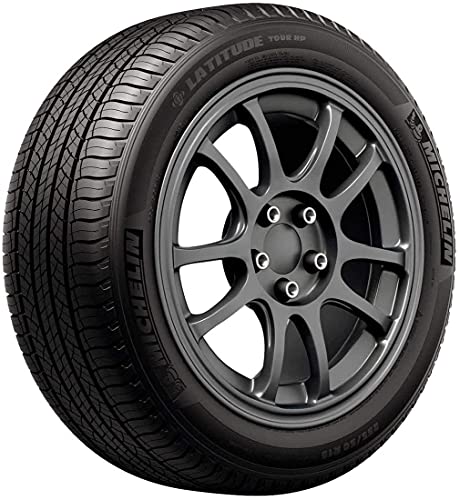
Tire rotation is one of the simplest maintenance tasks that can significantly extend the life of your tires. But not all rotations are the same, and using the wrong pattern can cause uneven wear or even damage. This guide explains the most common rotation patterns and how to pick the right one for your vehicle.
Why Tire Rotation Matters
Front and rear tires wear at different rates because of steering, braking, and weight distribution. In most cars, the front tires wear faster on the edges, while rear tires wear more evenly. Regular rotation ensures that all four tires wear at a similar rate, which means you can replace them as a set and get the maximum mileage out of each tire.
It also helps maintain good traction and handling. Unevenly worn tires can make your car pull to one side or feel unstable in wet conditions. Most manufacturers recommend rotating your tires every 5,000 to 7,500 miles, but you should always check your owner’s manual for the specific interval for your vehicle.
Common Rotation Patterns
There are several rotation patterns, and the right one depends on your vehicle’s drivetrain and whether your tires are directional or non-directional.
- Forward Cross: This pattern is used on front-wheel-drive vehicles. Move the front tires straight back to the rear, and move the rear tires to the front but cross them (left rear to right front, right rear to left front).
- Rearward Cross: This is the opposite for rear-wheel-drive and all-wheel-drive vehicles. Move the rear tires straight forward to the front, and move the front tires to the rear but cross them (left front to right rear, right front to left rear).
- X Pattern (Cross Pattern): Move each tire diagonally: left front to right rear, right front to left rear, left rear to right front, right rear to left front. This works well for non-directional tires on most vehicles, but it is not ideal for all-wheel-drive with different front and rear sizes.
- Side-to-Side: Swap the left and right tires on the same axle. This is used for vehicles with staggered fitment (different tire sizes front and rear) or when the tires are directional.
- Straight (Front-to-Back): Move the front tires straight back and the rear tires straight forward. This is for directional tires or when the front and rear sizes are the same but you want to keep the rotation direction.
Directional vs. Non-Directional Tires
Directional tires have tread patterns designed to rotate in one direction only. They are often marked with an arrow on the sidewall showing the correct rotation direction. If you have directional tires, you must use the straight front-to-back pattern or the side-to-side pattern if the sizes are the same and you flip them on the same side (left front to left rear, etc.). Crossing a directional tire would reverse its direction, which can severely reduce traction and cause noise and vibration.
Non-directional tires have no such restriction, so you can use cross patterns. Most all-season and touring tires are non-directional, while many performance tires and some winter tires are directional.
Patterns for Different Drivetrains
Your vehicle’s drivetrain influences which pattern is most effective. Here are the general recommendations:
- Front-Wheel Drive (FWD): Use the forward cross pattern. This moves the most-worn front tires to the rear and places the better rear tires on the front for improved traction and braking.
- Rear-Wheel Drive (RWD): Use the rearward cross pattern. This keeps the best tires on the rear, which is important for stability and control, especially in wet or slippery conditions.
- All-Wheel Drive (AWD): If your tires are the same size and non-directional, the X pattern is often recommended because it promotes even wear across all positions. However, some AWD systems require specific patterns to maintain tire circumference differences, so always check your manual. If you have staggered sizes or directional tires, stick to the side-to-side or straight pattern.
- 4-Wheel Drive (4WD): Similar to AWD, but if you regularly use 4WD on loose surfaces, you may need to rotate more often. The X pattern is common, but again, consult your owner’s manual.
Special Cases: Staggered Fitment and Spare Tires
Many sports cars and some muscle cars have wider tires in the rear than the front. This is called staggered fitment. In this case, you cannot cross tires between axles because the sizes differ. You can only swap side-to-side on each axle, or you may not be able to rotate at all if the tires are directional and have a specific inside/outside mounting. Check with your tire shop or owner’s manual for guidance.
If you have a full-size spare that is the same as your road tires, you can include it in your rotation cycle. This helps the spare wear evenly and ensures it is ready when you need it. However, do not include a temporary spare (donut) in rotation because it is not designed for long-term use at normal speeds.
How to Choose the Right Pattern for Your Car
The easiest way to choose the correct pattern is to check your owner’s manual. Manufacturers often specify the exact rotation pattern for your vehicle. If you cannot find it, look at the type of tires you have and your drivetrain. For most cars with non-directional tires and non-staggered wheel sizes, the X pattern or the forward/rearward cross works well.
If you are still unsure, ask a professional tire technician. They can quickly identify your tire type and drivetrain and recommend the best pattern. Also, mark your tires with chalk or use valve stem caps to track their positions if you plan to rotate them yourself. This prevents mixing up patterns in the future.
Regular rotation is a small effort that pays off in longer tire life and better safety. By using the right pattern, you keep your tires wearing evenly and get the most value out of them.
Frequently Asked Questions
How often should I rotate my tires?
Most manufacturers recommend rotating your tires every 5,000 to 7,500 miles. However, the exact interval depends on your vehicle, driving habits, and tire type. Check your owner's manual for the recommended schedule, and consider more frequent rotation if you drive aggressively or on rough roads.
Can I rotate directional tires side to side?
Directional tires are designed to spin in one direction, so you must keep the rotation direction the same. You can swap them front to back on the same side of the car, but you cannot cross them. Side-to-side swapping is also allowed only if you remount the tires on the rims so the rotation direction stays the same, but this is extra work and not always recommended. Check with a tire professional.
What happens if I use the wrong rotation pattern?
Using the wrong pattern can cause uneven tire wear, increased noise, vibration, and reduced traction. For directional tires, reversing the rotation direction can be dangerous, especially in wet or snowy conditions. It may also void the tire warranty. Always use the correct pattern for your vehicle and tire type.