Choosing the right motor oil for your vehicle is crucial for its performance, fuel efficiency, and longevity. With various types of oil available, it can be overwhelming to decide which one is best for your car. In this guide, we’ll explore the differences between synthetic, conventional, and high mileage oil, and provide you with the information you need to make an informed decision.
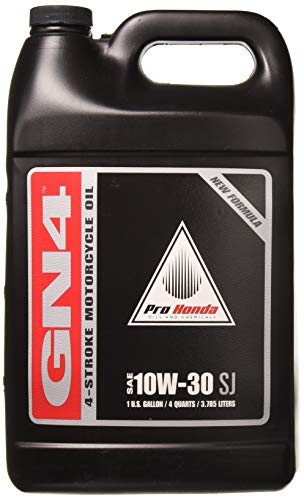
Honda Pro 10W-30 Engine Oil
The American Petroleum Institute (API) and the Society of Automotive Engineers (SAE) set standards for motor oil, ensuring that it meets certain performance and quality requirements. According to the API, motor oil helps to lubricate, clean, and cool your engine, and is essential for its proper functioning.
What is Conventional Oil?
Conventional oil, also known as regular oil, is the most commonly used type of motor oil. It’s refined from petroleum and is suitable for most passenger vehicles. Conventional oil provides adequate lubrication and wear protection for engines, but it may not offer the same level of performance as synthetic oil. The API recommends using conventional oil for vehicles that are driven under normal conditions, such as daily commuting and driving in moderate temperatures.
- Provides adequate lubrication and wear protection
- Suitable for most passenger vehicles
- Less expensive than synthetic oil
What is Synthetic Oil?
Synthetic oil is a high-performance oil that’s designed to provide superior lubrication and wear protection. It’s made from chemical compounds that are engineered to provide better performance and durability than conventional oil. Synthetic oil is recommended for vehicles that are driven under extreme conditions, such as high temperatures, towing, or hauling heavy loads. According to the SAE, synthetic oil can help to improve fuel efficiency, reduce engine wear, and extend the life of your vehicle.
- Provides superior lubrication and wear protection
- Improves fuel efficiency and reduces engine wear
- Suitable for vehicles driven under extreme conditions
What is High Mileage Oil?
High mileage oil is designed for vehicles with high mileage, typically over 75,000 miles. It’s formulated to condition seals and gaskets, and to help prevent leaks and engine wear. High mileage oil also contains additives that help to clean the engine and prevent the formation of sludge and deposits. The API recommends using high mileage oil for vehicles that have high mileage, as it can help to extend the life of the engine and improve its performance.
- Conditions seals and gaskets to prevent leaks
- Contains additives to clean the engine and prevent sludge and deposits
- Suitable for vehicles with high mileage
How to Choose the Right Oil for Your Vehicle
Choosing the right oil for your vehicle depends on several factors, including the type of vehicle, driving conditions, and climate. It’s essential to consult your vehicle’s owner’s manual to determine the recommended oil type and viscosity. The National Highway Traffic Safety Administration (NHTSA) also recommends checking the oil level and condition regularly to ensure that it’s at the recommended level and is in good condition.
- Consult your vehicle’s owner’s manual
- Check the oil level and condition regularly
- Consider driving conditions and climate
Oil Viscosity and Certification
Oil viscosity refers to the thickness and flowability of the oil. The SAE has established a viscosity rating system, which ranges from 0W-20 to 20W-50. The API also certifies oil based on its performance and quality, and displays a certification mark on the oil label. The API certification mark ensures that the oil meets certain standards for performance, lubrication, and wear protection.
- SAE viscosity rating system
- API certification mark
- Check the oil label for certification and viscosity rating
Maintenance and Inspection
Regular maintenance and inspection are essential to ensure that your vehicle’s engine is running properly. The Department of Transportation (DOT) recommends checking the oil level and condition regularly, as well as the air filter, spark plugs, and other engine components. The Automotive Lift Institute (ALI) also recommends using a certified lift to inspect and maintain your vehicle, to ensure safety and prevent damage.
- Check the oil level and condition regularly
- Inspect the air filter, spark plugs, and other engine components
- Use a certified lift for inspection and maintenance
Frequently Asked Questions
What is the difference between synthetic and conventional oil?
Synthetic oil is a high-performance oil that provides superior lubrication and wear protection, while conventional oil is a standard oil that provides adequate lubrication and wear protection. Synthetic oil is recommended for vehicles driven under extreme conditions, while conventional oil is suitable for most passenger vehicles.
Can I use high mileage oil in my new vehicle?
No, high mileage oil is designed for vehicles with high mileage, typically over 75,000 miles. Using high mileage oil in a new vehicle may not provide any benefits, and may even cause damage to the engine.
How often should I change my oil?
The frequency of oil changes depends on the type of oil used, driving conditions, and vehicle manufacturer recommendations. Typically, oil should be changed every 5,000 to 7,500 miles, but it’s essential to consult your vehicle’s owner’s manual for specific recommendations.
What is the API certification mark?
The API certification mark is a symbol that indicates that the oil meets certain standards for performance, lubrication, and wear protection. The API certification mark ensures that the oil is of high quality and provides adequate protection for your vehicle’s engine.
Can I mix synthetic and conventional oil?
No, it isn’t recommended to mix synthetic and conventional oil. Mixing different types of oil can compromise the performance and protection of the oil, and may even cause damage to the engine. It’s essential to use the same type of oil consistently to ensure optimal performance and protection.
The Bottom Line
Overall, choosing the right oil for your vehicle is crucial for its performance, fuel efficiency, and longevity. By understanding the differences between synthetic, conventional, and high mileage oil, and considering factors such as driving conditions and climate, you can make an informed decision and ensure that your vehicle runs smoothly and efficiently. Remember to always consult your vehicle’s owner’s manual and follow the recommendations of the API and SAE to ensure that you’re using the right oil for your vehicle.