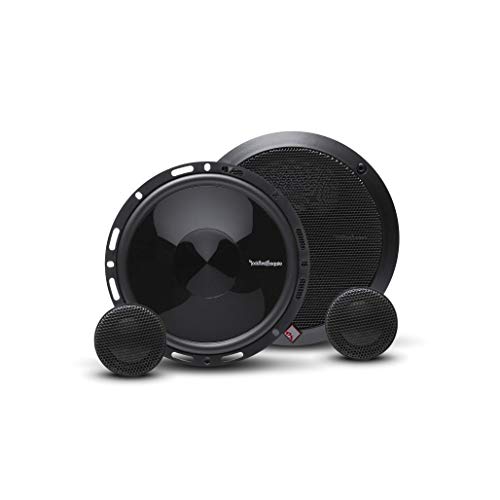
Subwoofer placement is critical for clean bass in your car, and most beginners put the sub in the trunk facing backward or in a sealed box with no air gap. These mistakes cause muddy sound, rattles, and wasted power. Getting placement right means understanding how sound waves interact with your vehicle’s cabin. Here are five common errors and how to fix them.
1. Facing the Subwoofer the Wrong Direction
Many beginners point the subwoofer toward the trunk lid, thinking it will reflect bass forward. This often creates a pressure wave that cancels low frequencies. Instead, try facing the sub toward the rear seat or the passenger compartment. A good starting point is to test the sub facing forward, backward, and upward. Use a 40-60 Hz test tone and listen for the loudest, cleanest output. In sedans, facing the sub toward the rear seat often yields the best results because the sound waves travel through the seat and into the cabin without major cancellation. In hatchbacks or SUVs, facing the sub upward or toward the side can work better due to different cabin acoustics.
2. Ignoring Enclosure Type and Air Space
Sealed enclosures deliver tighter bass, while ported enclosures produce louder, boomier sound. Beginners often use the wrong box for their music preference. If you want accurate bass for rock or jazz, a sealed box with the manufacturer’s recommended air volume is best. For hip-hop or EDM, a ported box tuned to 30-35 Hz gives more output. Always check the subwoofer’s manual for the ideal enclosure volume and port dimensions. A common mistake is using a prefab box that is too small, which causes the sub to sound weak or bottom out. Measure your trunk space and choose an enclosure that matches the sub’s specifications within 10%.
3. Poor Sealing and Sound Deadening
Air leaks around the subwoofer enclosure or trunk seals cause rattles and reduce bass. Use a gasket or foam tape between the sub and the box, and between the box and the mounting surface. Apply sound deadening material like butyl mats to the trunk lid, floor, and rear deck. This reduces vibrations and improves bass clarity. A simple test is to play a 50 Hz tone and walk around the car; if you hear rattles from the license plate or trunk latch, add foam or tighten hardware. For best results, cover at least 25% of the trunk’s metal panels with deadening material.
4. Wrong Phase and Crossover Settings
Phase misalignment causes bass cancellation, especially when the sub is far from the main speakers. Set the subwoofer’s phase to 0 degrees initially, then play a 60 Hz tone and adjust the phase control while listening from the driver’s seat. The loudest bass with the least cancellation is the correct setting. Also, set the low-pass crossover to 80 Hz for most systems, which blends well with door speakers. Avoid setting the crossover above 120 Hz, as it makes bass sound directional and muddy. If your head unit has a subwoofer level control, start at -3 dB and increase gradually to avoid overpowering the mids.
5. Overpowering or Underpowering the Sub
Matching amplifier power to the subwoofer’s RMS rating is crucial. A 300-watt RMS sub needs an amp that delivers 300-450 watts RMS at the correct impedance. Beginners often buy a cheap amp that clips, damaging the sub. Use a multimeter to set gain correctly: calculate target voltage using the formula Voltage = sqrt(Power x Impedance). For example, for a 300W sub at 4 ohms, target voltage is sqrt(300 x 4) = 34.6 volts. Set the gain with a 50 Hz test tone and never exceed the sub’s thermal limits. If you hear distortion, turn down the gain immediately.
Frequently Asked Questions
Should I put the subwoofer in the trunk or inside the cabin?
For most cars, the trunk is fine if the sub faces the rear seat and the seat folds down or has a pass-through. If the trunk is sealed off, consider a free-air sub mounted on the rear deck. In hatchbacks, placing the sub behind the rear seat facing upward often works best.
Does subwoofer placement affect sound quality more than the sub itself?
Yes, placement can make a $200 sub sound better than a $500 sub in a bad position. Focus on enclosure, facing direction, and sealing before upgrading hardware. A well-placed budget sub often outperforms an expensive sub in a poor setup.
How do I stop my subwoofer from rattling the license plate?
Apply adhesive foam tape between the license plate and the trunk lid, and tighten the screws. Also, use sound deadening on the trunk lid itself. If rattling persists, check the subwoofer enclosure for loose screws or air leaks.
The Bottom Line
Avoiding these five mistakes will dramatically improve your car audio bass without spending extra money. Start by facing the sub toward the cabin, use the correct enclosure, seal everything, set phase and crossover properly, and match amp power. For more car audio tips, check out our car audio guides and diagnostic tools to keep your system running smoothly.