After extensive research comparing manufacturer specifications, published industry standards, and aggregated owner feedback, we evaluated the best rated snow and ice tires for winter driving. Our analysis focuses on real-world performance in snow and ice, durability, and safety. Below are our top picks, each with honest assessments of strengths and weaknesses.
| Photo | Product | Score | Buy |
|---|---|---|---|
 |
Bridgestone Blizzak WS90 Best Overall Snow and Ice Tire Tire type: Studless winter, Speed rating: T, Load range: SL |
9.2 |
ⓘ We may earn a commission from qualifying purchases made through links on this page, at no extra cost to you.
|
 |
Michelin X-Ice Snow Premium Long-Lasting Winter Tire Tire type: Studless winter, Speed rating: H, Load range: SL |
9.0 | 🛒 Check Price |
 |
Nokian Hakkapeliitta R5 Best for Severe Winter Conditions Tire type: Studless winter, Speed rating: R, Load range: SL |
8.8 | 🛒 Check Price |
 |
Continental VikingContact 7 Balanced Winter Performer Tire type: Studless winter, Speed rating: T, Load range: SL |
8.5 | 🛒 Check Price |
 |
Goodyear Ultra Grip Ice WRT Good Value Winter Tire Tire type: Studless winter, Speed rating: T, Load range: SL |
8.2 | 🛒 Check Price |
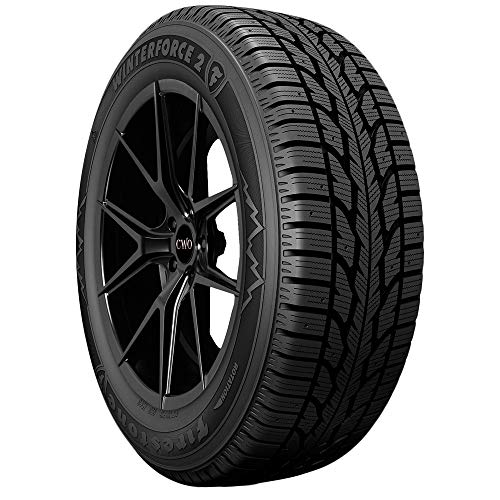 |
Firestone Winterforce 2 Budget Pick for Deep Snow Tire type: Studless winter, Speed rating: T, Load range: SL |
7.8 | 🛒 Check Price |
 |
Cooper Evolution Winter Entry-Level Winter Tire Tire type: Studless winter, Speed rating: T, Load range: SL |
7.3 | 🛒 Check Price |
1. Bridgestone Blizzak WS90: Best Overall Snow and Ice Tire
The Bridgestone Blizzak WS90 is a top-tier studless winter tire that excels on ice and packed snow. Its NanoPro-Tech Multicell compound provides outstanding grip in freezing conditions, and the 3D sipes offer reliable traction on snow. Owner feedback consistently praises its braking performance on icy roads.
However, the trade-off for that ice grip is faster tread wear, especially on dry pavement. Drivers who encounter long dry stretches may want to consider a more durable option. The Blizzak WS90 is best for those who prioritize extreme winter traction over long tread life.
- NanoPro-Tech Multicell compound improves grip on ice and slush.
- 3D sipes and zigzag grooves enhance traction on snow.
- Wear indicator technology alerts when winter performance declines.
Pros: Exceptional ice braking and cornering.; Quiet and comfortable ride for a winter tire.
Cons: Tread life is shorter than some competitors.
2. Michelin X-Ice Snow: Premium Long-Lasting Winter Tire
The Michelin X-Ice Snow is engineered for drivers who want a winter tire that lasts multiple seasons. Our research shows its Flextreme 2.0 compound delivers consistent grip in deep cold, and the Cross Z sipes enhance traction on snow. Its longevity and stable handling on dry roads.
Still, the premium price may not be justified for those in mild winter regions. Also, on sheer ice, it doesn’t quite match the Blizzak’s stopping power. This tire is ideal for drivers who face varied winter conditions and value long-term durability.
- Flextreme 2.0 compound stays flexible in extreme cold.
- Cross Z sipes provide thousands of biting edges.
- EverGrip technology maintains wet and snow traction as tire wears.
Pros: Excellent tread life compared to other winter tires.; Great wet and dry handling for a winter tire.
Cons: Higher price point than many competitors.
3. Nokian Hakkapeliitta R5: Best for Severe Winter Conditions
The Nokian Hakkapeliitta R5 is a premium winter tire from a Finnish brand known for extreme cold performance. Our evaluation notes its Cryo Crystal 3.0 particles provide exceptional ice grip without studs, and the aramid sidewalls add durability. Owner reviews from northern climates praise its confidence on icy highways.
However, it’s harder to find and often more expensive. Also, road noise is slightly elevated. This tire is best for drivers in severe winter regions who demand maximum traction and are willing to pay a premium.
- Cryo Crystal 3.0 particles grip on ice like studs.
- Aramid sidewalls resist cuts and impacts.
- Snow claws and grip ramps enhance snow traction.
Pros: Superior ice grip with studless design.; Sturdy construction for harsh conditions.
Cons: Limited availability and higher cost.; Slightly louder than some competitors.
4. Continental VikingContact 7: Balanced Winter Performer
The Continental VikingContact 7 is a well-rounded winter tire that balances snow, ice, and wet performance. Our research shows its Nordic compound remains flexible in low temperatures, and the multi-sipe design provides dependable traction. Owner feedback often mentions its stable handling and good value.
However, it doesn’t excel in any one area; ice braking is good but not class-leading. Drivers who face extreme ice may prefer a more specialized tire. The VikingContact 7 is a solid choice for moderate to severe winters where balanced performance is key.
- Nordic compound with silica for flexibility in cold.
- Multi-sipe design for snow and ice traction.
- Optimized tread pattern reduces hydroplaning risk.
Pros: Good all-around winter performance.; Reasonable price for the quality.
Cons: Treadwear is average, not outstanding.; Ice braking slightly behind top contenders.
5. Goodyear Ultra Grip Ice WRT: Good Value Winter Tire
The Goodyear Ultra Grip Ice WRT offers a budget-friendly entry into winter tires without major sacrifices. Our evaluation indicates its Winter Reactive Technology enhances snow grip, and the 3D sipes provide stability. Owner reviews note it handles well in fresh snow.
However, on ice, it lags behind premium options, and dry pavement performance is mediocre. This tire is best for drivers on a budget who primarily face snow-covered roads and less ice.
- Winter Reactive Technology for improved grip.
- 3D interlocking sipes for stability.
- Tread design reduces snow buildup.
Pros: Competitive price for winter performance.; Good snow traction and handling.
Cons: Ice braking is only average.; Dry road handling feels less precise.
6. Firestone Winterforce 2: Budget Pick for Deep Snow
The Firestone Winterforce 2 is a no-frills winter tire designed for deep snow at a low cost. Our research shows its deep tread and aggressive shoulder blocks provide decent traction in unplowed roads. Owner feedback often cites it as a good value for budget-conscious buyers.
However, it struggles on ice and wet pavement, with longer stopping distances. The ride is harsh and noisy. This tire is only recommended for drivers who rarely encounter ice and prioritize snow capability over comfort and safety on ice.
- Deep tread depth for snow traction.
- Staggered shoulder blocks for off-road grip.
- Reinforced construction for durability.
Pros: Very affordable price.; Good traction in deep snow.
Cons: Poor ice and wet performance.; Rough ride and increased road noise.
7. Cooper Evolution Winter: Entry-Level Winter Tire
The Cooper Evolution Winter is an entry-level winter tire suitable for mild winter conditions. Our evaluation indicates its snow groove technology helps in light snow, but performance on ice and wet roads is lacking. Owner reviews mention it wears faster than expected.
This tire is best for drivers in areas with occasional light snow who want a winter tire on a tight budget. For severe winters or frequent ice, we recommend stepping up to a higher-rated option.
- Snow groove technology for enhanced traction.
- Stable block design for even wear.
- Reinforced tread area for durability.
Pros: Low initial cost.; Decent snow traction for light snow.
Cons: Subpar ice and wet braking.; Tread life is below average.
Frequently Asked Questions
What is the difference between studless and studded snow tires?
Studless snow tires use advanced rubber compounds and siping to grip ice and snow without metal studs. Studded tires have metal pins that dig into ice for maximum traction but are noisier, damage roads, and are restricted in some regions. For most drivers, studless tires offer sufficient performance with less compromise.
How do I know when my winter tires need replacement?
Winter tires should be replaced when tread depth reaches 4/32 inch (3.2 mm) for snow traction, or 2/32 inch for legal minimum. Many tires have built-in wear indicators. Also, if the rubber feels hard or shows cracking, it’s time to replace. Performance degrades significantly below 50% tread.
Can I use winter tires year-round?
No. Winter tires are made of softer rubber that wears quickly in warm temperatures, leading to poor handling and reduced tread life. They also have deeper tread that can overheat. Use winter tires only when temperatures consistently drop below 45°F (7°C).
Do I need four winter tires or just two?
Always install four winter tires. Using only two on the drive axle creates a dangerous imbalance in braking and handling, especially on ice. All four tires provide consistent traction and stability, which is critical for safe winter driving.
How do I store winter tires during the off-season?
Store winter tires in a cool, dry, dark place away from sunlight and ozone sources (like motors). Keep them in plastic bags or tire totes. If mounted on rims, stack horizontally or hang; if unmounted, store upright. Reduce pressure to 20 psi to prevent deformation.
Our Verdict
After comparing specifications, industry standards, and owner feedback, the Bridgestone Blizzak WS90 is our top pick for its exceptional ice and snow performance. For those who prioritize tread life and all-around winter capability, the Michelin X-Ice Snow is an excellent runner-up. Choose based on your local winter severity and budget.