Choosing the right motor oil for your vehicle can be a daunting task, especially with the numerous viscosity ratings available in the market. In this guide, we’ll break down the meaning behind oil viscosity ratings like 5W-30 and help you understand what it takes to make an informed decision.
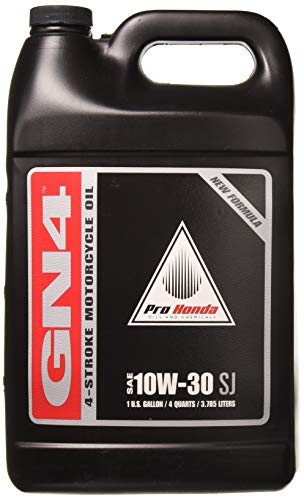
Honda Pro 10W-30 Engine Oil
Motor oil viscosity is a critical factor in ensuring the longevity and performance of your engine. The National Highway Traffic Safety Administration (NHTSA) and the American Petroleum Institute (API) have established standards for motor oil viscosity, which are based on the Society of Automotive Engineers (SAE) J300 standard.
What Does the Number and Letter Mean?
The 5W-30 rating is a combination of two numbers and a letter, which represent the oil’s viscosity at two different temperatures: cold and hot. The ‘W’ in 5W-30 stands for ‘Winter’ and represents the oil’s performance in cold temperatures. The number before the ‘W’ (5 in this case) represents the oil’s viscosity at low temperatures, while the number after the ‘W’ (30 in this case) represents the oil’s viscosity at high temperatures.
- The first number (5) represents the oil’s viscosity in the winter (0°C or 32°F) and is measured in centistokes (cSt). A lower number indicates thinner oil, while a higher number indicates thicker oil.
- The second number (30) represents the oil’s viscosity in the summer (100°C or 212°F) and is also measured in centistokes (cSt). A lower number indicates thinner oil, while a higher number indicates thicker oil.
How Does Viscosity Affect Engine Performance?
Motor oil viscosity plays a critical role in engine performance. Thicker oils provide better lubrication and protection in high-temperature conditions, while thinner oils provide better fuel efficiency and performance in cold temperatures.
The Society of Automotive Engineers (SAE) has established several viscosity grades, including 0W-20, 5W-20, 5W-30, 10W-30, and 10W-40. Each grade has its own set of characteristics and is suited for specific driving conditions.
API Certification and SAE Viscosity Grades
The American Petroleum Institute (API) has established a certification program for motor oils, which ensures that they meet specific standards for viscosity, performance, and protection. The API certification symbol is typically displayed on the oil bottle or packaging.
The Society of Automotive Engineers (SAE) has established several viscosity grades, including:
- 0W-20: Suitable for most passenger vehicles and provides excellent fuel efficiency and performance in cold temperatures.
- 5W-20: Suitable for most passenger vehicles and provides a balance between fuel efficiency and high-temperature performance.
- 5W-30: Suitable for most passenger vehicles and provides excellent high-temperature performance and protection.
- 10W-30: Suitable for heavier vehicles, such as trucks and SUVs, and provides excellent high-temperature performance and protection.
- 10W-40: Suitable for heavy-duty applications, such as diesel engines, and provides excellent high-temperature performance and protection.
Choosing the Right Viscosity for Your Vehicle
Choosing the right viscosity for your vehicle depends on several factors, including the vehicle manufacturer’s recommendations, driving conditions, and ambient temperature.
The National Highway Traffic Safety Administration (NHTSA) recommends checking the owner’s manual for the recommended viscosity grade. You can also consult with a mechanic or oil change professional for guidance.
Common Misconceptions About Viscosity
There are several common misconceptions about motor oil viscosity that can lead to confusion and poor engine performance.
Some of the common misconceptions include:
- Thicker oils are always better: While thicker oils provide better lubrication and protection in high-temperature conditions, they can also reduce fuel efficiency and performance in cold temperatures.
- Thinner oils are always worse: While thinner oils provide better fuel efficiency and performance in cold temperatures, they can also compromise lubrication and protection in high-temperature conditions.
Conclusion
Overall, choosing the right motor oil viscosity for your vehicle is crucial for optimal engine performance and longevity. By understanding the meaning behind the 5W-30 rating and the importance of viscosity in engine performance, you can make an informed decision and choose the right oil for your vehicle.
Remember to check the owner’s manual for the recommended viscosity grade and consult with a mechanic or oil change professional if you’re unsure.
Frequently Asked Questions
What does the 'W' in 5W-30 mean?
The ‘W’ in 5W-30 stands for ‘Winter’ and represents the oil’s performance in cold temperatures.
What is the difference between 5W-20 and 5W-30?
5W-20 is a thinner oil that provides better fuel efficiency and performance in cold temperatures, while 5W-30 is a thicker oil that provides better lubrication and protection in high-temperature conditions.
What is the importance of API certification?
The API certification symbol ensures that the motor oil meets specific standards for viscosity, performance, and protection.
Can I use a higher viscosity oil than recommended?
Using a higher viscosity oil than recommended can compromise fuel efficiency and performance in cold temperatures, while using a lower viscosity oil can compromise lubrication and protection in high-temperature conditions.
How often should I change my motor oil?
The frequency of oil changes depends on several factors, including the vehicle manufacturer’s recommendations, driving conditions, and ambient temperature. It’s recommended to check the owner’s manual for the recommended oil change interval.
The Bottom Line
Overall, understanding the meaning behind oil viscosity ratings like 5W-30 is crucial for making an informed decision about the right motor oil for your vehicle. By following the guidelines outlined in this guide, you can ensure optimal engine performance and longevity.