No, it isn’t safe to ignore car battery issues in winter. Cold temperatures reduce battery capacity at 32°F to 0°F, and a weak battery can fail without warning, leaving you stranded. Ignoring warning signs like slow cranking or dim lights increases your risk of a no-start situation.
Why Winter Is Hard on Car Batteries
Chemical reactions inside a battery slow down in cold weather, reducing its ability to deliver power. At 32°F, a battery loses of its strength; at 0°F, it can lose. Meanwhile, engine oil thickens, requiring more current from the battery to start the car. This double hit means a battery that was borderline in summer can fail in winter.
Signs Your Battery Needs Attention Before Winter
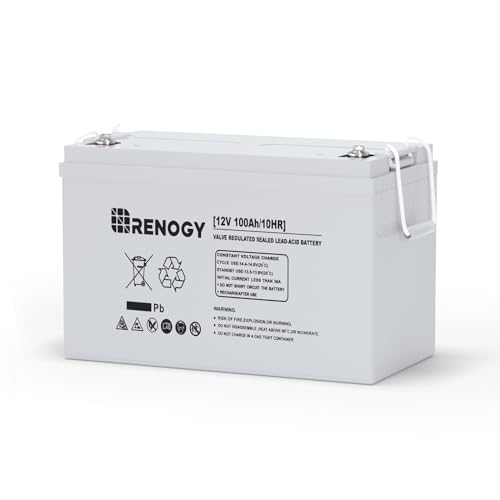
Look for these warning signs: engine cranks slowly, headlights dim when idling, battery case is swollen or cracked, or the battery is more than 3-5 years old. If you notice any of these, have the battery tested at a shop or with an OBD2 scanner. Many auto parts stores offer free testing. A battery with a state of health below 70% is likely to fail in cold weather.
Costs of Ignoring Battery Issues vs. Preventative Replacement
A new car battery costs between $50 and $200, while a jump starter costs $40 to $100. Ignoring issues can lead to: a tow truck ($75-$150), a missed appointment, or being stranded in dangerous cold. Replacing a battery proactively is far cheaper than the inconvenience and safety risk of a failure. If you keep a jump starter in your car, you can at least get going, but it’s not a permanent fix. Check out our recommended best jump starters for emergencies.
How to Prevent Winter Battery Problems
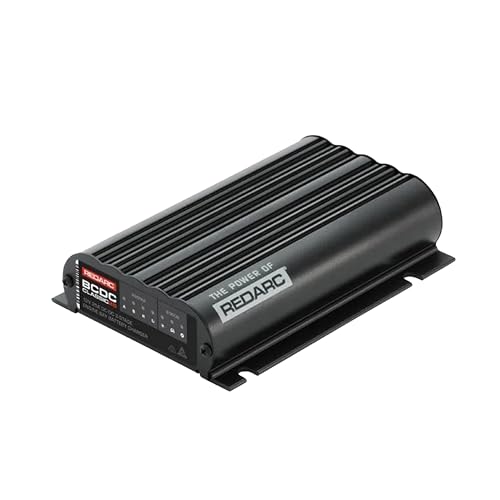
Test your battery in early winter. Clean corrosion off terminals with a baking soda and water solution. Tighten connections. If you drive short trips frequently, use a battery maintainer to keep it charged. Park in a garage if possible. Replace any battery over 3 years old if you live in a very cold climate. For DIY diagnostics, a good OBD2 scanner can check battery voltage and health. See our guide on best OBD2 scanners for options.
Frequently Asked Questions
Can a completely dead battery be jump-started in winter?
Yes, but if the battery is frozen or damaged, jump-starting may not work and can be dangerous. If the battery is physically swollen or cracked, replace it instead of jump-starting.
How often should I replace my car battery?
Most batteries last 3-5 years. Replace it before winter if it’s over 3 years old and showing any signs of weakness, or if a load test shows low capacity.
Does cold weather drain a battery even when the car is off?
Yes. Cold temperatures increase self-discharge and can cause parasitic drains to have a greater effect. A battery in a cold car can lose charge faster than in mild weather.
The Bottom Line
Ignoring winter battery issues is unsafe and costly. A simple test or replacement can save you from being stranded in freezing conditions. Invest in a battery maintainer or jump starter as a backup, but prioritize replacing a weak battery before winter hits.