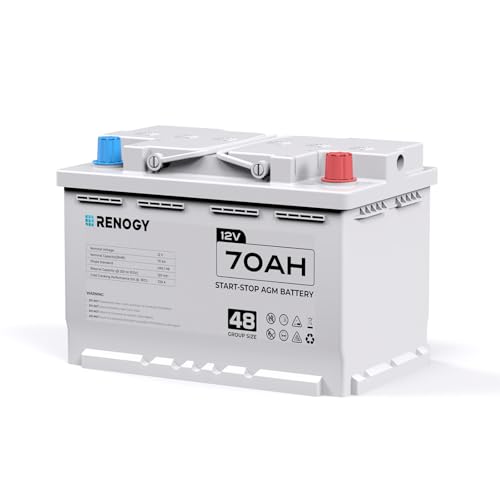
Battery corrosion directly leads to failure because it creates a resistive barrier between the battery terminals and the cables, preventing proper current flow. This increased resistance reduces the battery’s ability to deliver power, causing starting problems, dim lights, and eventual failure if left untreated.
How Corrosion Forms and Disrupts Electrical Flow
Battery corrosion is typically caused by hydrogen gas released from the battery acid reacting with the metal terminals. This reaction forms a crusty deposit, often blue, white, or green. The corrosion acts as an insulator, increasing electrical resistance. For a typical 12-volt car battery, even a small amount of corrosion can cause a voltage drop of 0.5 volts or more under load, which is enough to prevent the starter from engaging. Over time, the corrosion can also eat away at the terminal clamps, leading to loose connections and intermittent failure.
Common Signs of Corrosion-Related Failure
If your battery has corrosion, you may notice slow engine cranking, dimming headlights, or a clicking sound when turning the key. In severe cases, the battery may fail completely. A multimeter test can show a resting voltage of 12.6 volts or higher, but under load the voltage may drop below 9.6 volts, indicating a high-resistance connection. Corrosion can also cause the battery to discharge faster, as the parasitic drain increases through the corroded path.
How to Prevent and Fix Corrosion
Prevention is straightforward: clean terminals regularly with a mixture of baking soda and water, and apply a thin layer of dielectric grease or anti-corrosion spray after cleaning. If corrosion is present, disconnect the battery (negative first), clean with a wire brush or terminal cleaner, and rinse with water. For heavy buildup, replace the terminals or cables. Note: if the battery case is cracked or bulging, replace the battery immediately. Corrosion can also be a sign of overcharging, so check your alternator output (should be 13.7-14.7 volts).
When to Replace the Battery vs. Just Clean It
If cleaning the terminals restores full power and the battery holds a charge, you may not need a new battery. However, if the battery is more than 3-4 years old, has a low specific gravity (below 1.265), or fails a load test, replacement is the better option. Corrosion alone doesn’t always mean the battery is dead, but it often accelerates aging. For a reliable diagnosis, use an OBD2 scanner to check battery health. Check out our guide on best OBD2 scanners for accurate battery testing.
Frequently Asked Questions
Can battery corrosion cause a car not to start?
Yes, corrosion can prevent the battery from delivering enough current to start the engine. The increased resistance reduces voltage at the starter, often resulting in a clicking sound or slow crank.
Is battery corrosion dangerous to touch?
Battery corrosion is acidic and can irritate skin and eyes. Always wear gloves and safety glasses when cleaning. Wash any contact area with water and baking soda.
How often should I clean battery terminals?
Inspect terminals every oil change or every 6 months. Clean them at the first sign of buildup. In humid or hot climates, more frequent cleaning may be needed.
The Bottom Line
Battery corrosion fails because it blocks electrical flow, leading to starting issues and eventual battery drain. Regular cleaning and maintenance can extend battery life, but if corrosion returns quickly or the battery is old, replacement is the safest bet. For more battery care tips, visit our batteries category.