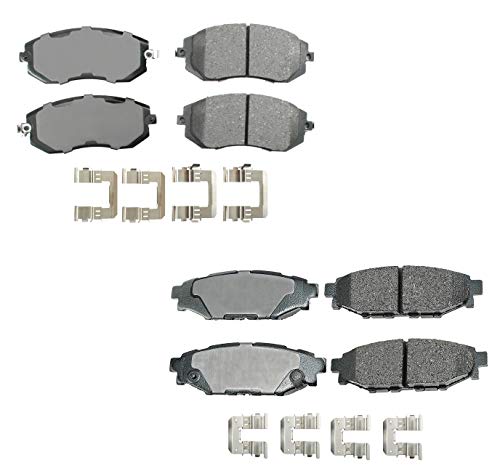
Yes, ignoring ceramic brake pads is dangerous. Worn pads reduce braking efficiency, increase stopping distances, and can damage rotors, leading to costly repairs and potential accidents. Ceramic pads are known for durability and low dust, but they still wear out and must be replaced when needed.
How Ceramic Brake Pads Wear and Why It Matters
Ceramic brake pads typically last 50,000 to 70,000 miles, but this varies with driving habits and conditions. Unlike organic or semi-metallic pads, ceramic pads are harder and produce less dust, but they can crack or glaze under extreme heat. As the friction material thins, braking performance degrades gradually, which can be deceptive. A common sign is a high-pitched squeal when braking, indicating a built-in wear indicator. Ignoring this can lead to metal-on-metal contact, scoring rotors and requiring replacement of both pads and rotors at a cost of $300 to $800 per axle.
Safety Risks of Delaying Replacement
The primary danger is reduced stopping power. Worn ceramic pads can increase stopping distance or more, especially in wet conditions. This can be critical in emergencies. Additionally, heat buildup from friction can cause brake fade, where the pedal feels spongy and braking becomes less effective. Over time, the caliper pistons may extend further, risking seal damage and fluid leaks. A failed brake system can lead to loss of control and accidents. Honest caveat: some drivers ignore squealing for months without immediate failure, but the risk grows exponentially with wear.
Cost Comparison: Replace Pads vs. Ignore Them
Replacing ceramic brake pads costs $150 to $300 per axle for parts and labor, depending on vehicle make and model. Ignoring them can lead to rotor damage, adding $200 to $400 per axle for rotor resurfacing or replacement. In severe cases, caliper damage can cost $500 or more. The total cost of neglect can easily exceed $1,000, while timely replacement is far cheaper. For high-performance vehicles, ceramic pads are often recommended for their heat resistance, but they still need regular inspection every 10,000 miles.
Frequently Asked Questions
How do I know when my ceramic brake pads need replacing?
Listen for a persistent squealing or grinding noise, which indicates the wear indicator is contacting the rotor. Visually inspect through the wheel spokes: if the pad material is less than 1/4 inch thick, it’s time to replace. Some vehicles have electronic wear sensors that trigger a warning light.
Can I replace just the pads without turning the rotors?
Yes, if the rotors are not warped or deeply scored. Measure rotor thickness and runout with a micrometer. If within spec, you can install new pads and bed them in. However, many mechanics recommend resurfacing or replacing rotors with every pad change for optimal performance and safety.
Are ceramic brake pads worth the extra cost?
For most drivers, yes. Ceramic pads offer longer life, less dust, and quieter operation compared to semi-metallic pads. They perform well in daily driving and light towing. However, they may not be ideal for heavy track use or extreme conditions, where semi-metallic pads provide better initial bite.
The Bottom Line
Ignoring worn ceramic brake pads is dangerous and costly. Replace them at the first sign of wear to maintain safe stopping distances and avoid rotor damage. For more on brake maintenance, check out our guide on brake care and best practices. If you’re considering a DIY replacement, a quality OBD2 scanner can help diagnose brake system issues.