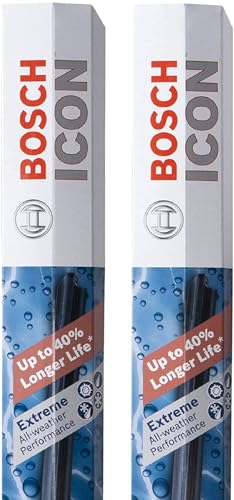
Short answer up front: beam blades are the better all-round pick for most drivers thanks to their one-piece, low-profile build that hugs the glass evenly, while hybrid blades suit people who want a sturdier, longer-lasting wiper and don’t mind a touch more weight. Both clear rain far better than worn rubber, so upgrading to a modern set of blades is the real win.
The two designs solve the same problem in different ways. A hybrid wraps a traditional frame inside a smooth aero cover, and a beam ditches the frame entirely for a flexible spring spine. Below we break down the trade-offs of each so you can match the right style to your car, your weather, and how often you replace your wipers.
Hybrid blades: pros and cons
A hybrid blade takes a classic bracket frame and tucks it under a compact aero shell. That outer cover smooths airflow, reduces wind lift at speed, and keeps slush and ice from packing into the joints during winter. The bracket underneath gives the blade firm, structured pressure across the glass.
The big upside is durability. The protective shell shields the moving parts, so a quality hybrid tends to last a long time and resist cracking from sun and grime. The trade-off is weight. A hybrid is heavier than a beam, which can stress older wiper motors over many seasons, and the rigid frame may not flex perfectly across strongly curved windshields. For drivers who keep a vehicle a long time and want a rugged blade, the hybrid is a dependable middle ground between the old steel frame and the newer beam.
Beam blades: pros and cons
A beam blade is a one-piece design with no external frame at all. Instead, a curved spring steel spine runs the full length of the blade and presses the rubber down evenly from end to end. The result is a slim, low-profile look and a contact line that adapts smoothly to the shape of the glass.
Because the spine flexes, beam blades hug curved glass and modern windshields very well, which means fewer streaks and skipped spots. They’re lighter than hybrids, easier on the wiper motor, and the open design sheds snow rather than trapping it in a frame. The main limits are cost and exposure: the working parts sit out in the open, so harsh grit and strong sun can wear the rubber a bit faster than a shelled hybrid. For most newer cars, though, the even pressure and quiet, clean sweep make beams the default upgrade.
Which to choose, and blades to consider
Pick a beam blade if you drive a newer car with a curved windshield, want the quietest and cleanest sweep, and prefer a lighter blade that’s gentle on the motor. Pick a hybrid if you want maximum durability, drive in dirty or icy conditions in which the shell protects the mechanism, or simply like the firm, structured feel of a framed blade in a tidy aero package.
Climate matters too. Heavy snow and ice favor the enclosed hybrid shell or a winter-specific beam, while mild, rainy regions reward the beam evenness. Whatever style you land on, fit and rubber quality matter more than the category name. To compare current options across both styles, see our roundup of the best windshield wipers and match the size to your exact vehicle before buying.
Mistakes to avoid
- Buying on price alone instead of matching the correct blade length and arm connector to your vehicle.
- Mixing sizes by reusing an old measurement; many cars use two different lengths on the driver and passenger sides.
- Ignoring the rubber edge and judging only by the frame style, since the wiping edge is what actually clears water.
- Forgetting the rear blade on hatchbacks and SUVs, which often needs its own replacement.
- Running blades far too long; once they streak, chatter, or skip, they’re already past their useful life.
- Forcing a clip that doesn’t fit instead of getting the right adapter for your wiper arm.
Bottom line
For the majority of drivers, a beam blade is the smarter default: it’s lighter, flexes to fit curved glass, and delivers a quiet, even sweep with no frame to trap debris. A hybrid earns its place when durability and harsh-weather protection top your list, since the aero shell guards the mechanism at the cost of extra weight.
Neither choice is wrong. Match the style to your windshield curve, your climate, and how long you keep your car, then prioritize correct sizing and fresh rubber. Do that and either design will clear your view far better than the tired blades most people drive on for too long.
Frequently Asked Questions
Are beam blades better than hybrid blades?
For most newer cars, yes. Beam blades flex to match curved glass, apply even pressure end to end, and run lighter and quieter. Hybrids win when you want extra durability and protection in dirty or icy conditions.
Do hybrid wiper blades last longer?
Often they do. The aero shell on a hybrid shields the moving parts from sun and grime, which can extend its life. A quality beam can still last a long time, but its open design leaves the rubber more exposed to the elements.
Can I put either style on my car?
Usually, as long as you match the correct length and the right arm connector for your vehicle. Both styles come in common sizes with adapters. Check your current blade lengths and connector type, since many cars use two different sizes.
The Bottom Line
Hybrid and beam blades both beat worn rubber by a wide margin, so the choice comes down to fit and priorities. Beams suit curved glass and quiet daily driving, while hybrids reward those who value rugged, weather-shielded longevity. Measure carefully, match the connector, and replace blades at the first sign of streaking. Choosing the right blades for your windshield and climate is a small upgrade that pays off every single time it rains.
