Cold weather is hard on almost every part of a vehicle, but few components suffer as quietly as your wiper blades. Ice, frost, and slush wear down the soft rubber edge fast, and a blade that smears or chatters across the glass is a real safety problem when visibility already drops on dark winter mornings.
The good news is that a little care goes a long way. With a few simple habits, and possibly a set of winter-ready blades, you can keep your wipers clearing cleanly all season. This guide walks through what damages blades in the cold and the practical steps that keep them working.
How Winter Destroys Wiper Blades
Winter attacks wiper blades from several angles at once. The first culprit is ice. When moisture freezes overnight, the rubber edge can bond directly to the glass, so the blade is effectively glued in place. Switch the wipers on before that bond breaks and you risk tearing the rubber or burning out the motor that drives them.
Scraping is the second problem. Many drivers reach for the wiper arm to push snow and ice aside, dragging the soft blade over frozen grit. That grit acts like sandpaper, chewing tiny nicks into the edge that later show up as streaks. Repeated freeze and thaw cycles also stiffen the rubber, making it brittle and far less able to flex against the curve of the windshield.
Finally, road salt and slush leave a gritty film that the blade must wipe through hundreds of times a day. Each pass grinds that abrasive layer into the rubber, accelerating wear long before spring arrives.
Step by Step Winter Protection
Protecting your blades in the cold comes down to a short routine you can repeat every time temperatures drop.
- Lift the wiper arms away from the glass when you park, or fit a simple windshield cover, so the rubber never freezes to the surface overnight.
- Never run the wipers to clear ice or thick snow. Let the defrost system soften the layer first, then wipe only once the glass is wet and clear.
- Defrost fully before driving. Turn on the heater and rear demister, give it a few minutes, and use a plastic scraper on stubborn patches rather than the blades.
- Switch to winter blades if your region sees regular freezing weather, since their flexible rubber and protective casing resist ice buildup far better than standard blades.
Stick to this sequence and you remove almost every situation that tears or warps a blade.
Tools and Products You May Need
You don’t need a garage full of gear to look after your wipers in the cold, but a few items make the job easier and safer. A sturdy plastic ice scraper paired with a soft snow brush lets you clear the windshield without ever touching the blades. A foldable windshield cover keeps frost off the glass entirely, which means the rubber stays free and ready to move.
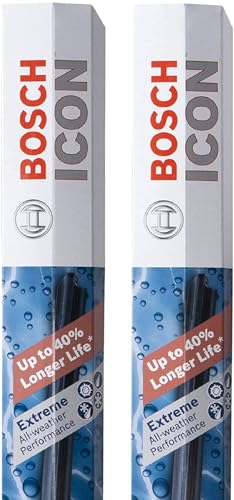
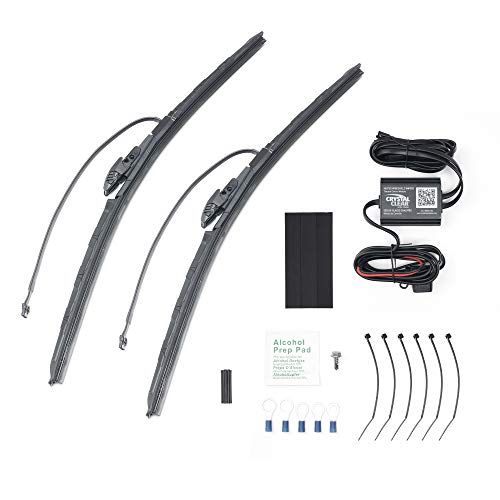
Keep a jug of winter grade washer fluid topped up, since it resists freezing and helps wash away the salty film that grinds at the rubber. A microfiber cloth and a little rubbing alcohol let you wipe the blade edge clean now and then to remove grit. And when the rubber finally hardens or splits, fitting a fresh set of the best windshield wipers rated for cold climates restores clean, quiet contact with the glass.
Mistakes to Avoid
A few common habits do more harm than the weather itself. Steer clear of these.
- Turning on frozen wipers before the ice bond has melted, which strips the rubber and strains the motor.
- Using the blades as a scraper to shove snow off the glass.
- Pouring hot water on a frozen windshield, since the sudden change can crack the glass and warp the blade frame.
- Ignoring streaks and chatter, both clear signs the edge is already damaged and due for replacement.
- Leaving washer reservoirs filled with plain water that freezes solid and can split the lines.
Avoiding these slip ups keeps both your blades and your wider washer system in good shape.
When to Fit Dedicated Winter Blades
Standard all season blades cope with light frost, but they struggle once snow and hard freezes become routine. If you live somewhere that sees weeks of sub freezing mornings, dedicated winter blades are worth fitting before the first cold snap.
These blades wrap the metal frame and joints in a rubber boot, so snow and ice can’t pack into the hinges and stop the arm from flexing. The rubber compound stays supple in deep cold, which keeps full contact across the curved glass. Watch for the early warning signs that it’s time to swap: visible cracking in the rubber, juddering across the screen, missed patches, or a blade that lifts at the ends. When any of those appear, fit winter blades promptly and remove them again once milder weather returns to extend their life.
Frequently Asked Questions
Should I lift my wiper blades up in winter?
Lifting the arms off the glass when you park stops the rubber from freezing to the windshield overnight. It’s a simple, free habit that prevents the most common cause of torn blades in the cold.
Can I use my wipers to clear snow and ice?
No. Running the blades over snow or ice drags soft rubber across abrasive grit and can strain the motor. Always defrost the glass first and clear thick snow with a brush or scraper before switching the wipers on.
How often should winter wiper blades be replaced?
Most blades last around six to twelve months, but harsh winters shorten that. Replace them as soon as you notice streaking, chatter, or cracked rubber rather than waiting for a fixed date.
The Bottom Line
Protecting your wipers through winter is mostly about small, consistent habits. Lift the arms or cover the glass overnight, defrost fully before you drive, and never use the blades to clear ice or snow. Keep a scraper, a brush, and winter grade washer fluid on hand, and watch for streaks or chatter that signal a worn edge.
If you face regular freezing weather, fitting the right winter blades makes the biggest difference of all, giving you clear, safe visibility all season long. A few minutes of care now saves you money and keeps you safe on dark, icy roads.