Water spots are one of the most frustrating problems after washing your car. They appear when mineral-rich water evaporates on the paint, leaving behind ugly white or etched marks. The good news is that you can avoid them entirely by using the right drying methods and a little patience. Here’s how to dry your car without leaving a single spot behind.
Why Water Spots Form
Water spots occur because tap water contains dissolved minerals like calcium and magnesium. When droplets dry on a hot surface, the water evaporates and the minerals remain, bonding to the clear coat. The longer the water sits, the harder they are to remove. That’s why drying quickly and correctly is essential.
Use a Clean, High-Quality Microfiber Drying Towel
The most common drying tool is a microfiber towel, but not all towels are equal. Look for a plush, high-GSM (grams per square meter) microfiber towel designed for drying. Avoid old bath towels or chamois that can scratch or leave lint behind.
Here’s how to dry with a towel:
- Start with the roof and work your way down, so dirty water from the top doesn’t run over clean panels.
- Lay the towel flat on the surface and pull it slowly toward you, letting the towel absorb the water rather than dragging it.
- Use a second dry towel for the lower panels and wheels, as they are dirtier.
- After each panel, shake the towel out or use a fresh section to avoid transferring water back.
Try a Leaf Blower for a Touchless Finish
If you want to avoid any contact with the paint, a handheld or backpack leaf blower works brilliantly. It blows water out of crevices, mirrors, and emblems where towels can’t reach. This method is especially useful for cars with intricate details.
To use a blower:
- Set it to a low or medium speed to avoid flinging debris.
- Start from the top and blow water downward, following the natural contours of the car.
- Use the nozzle to direct air into gaps like the side mirrors, door handles, and the trunk lid.
- Follow up with a quick pass of a microfiber towel to catch any remaining droplets.
Use a Drying Aid or Quick Detailer
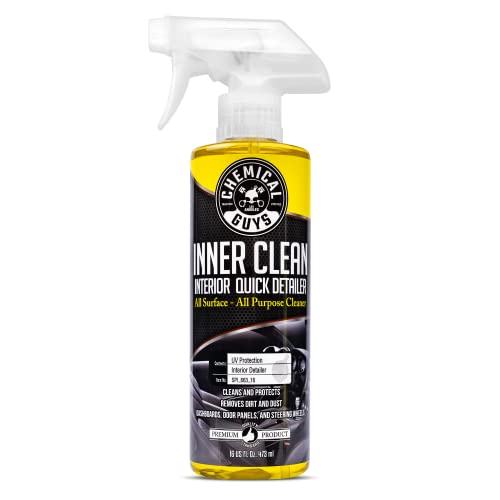
Drying aids, such as quick detailers or spray waxes, add lubrication and help absorb water more effectively. They also leave a layer of protection. This is a great option if you’re working in direct sunlight or on a hot surface.
Simply spray the product onto the panel before you wipe with a damp microfiber towel. The added slickness reduces friction, and the product traps the minerals so they don’t touch the paint. This method also speeds up the process, reducing the chance of spots.
Dry in the Shade and on a Cool Car
Drying in direct sunlight is a recipe for water spots. The heat causes water to evaporate faster, leaving minerals behind quickly. Always wash and dry your car in the shade, or early in the morning or late in the evening when the panels are cool.
If you must dry in the sun, work one panel at a time and use a drying aid to slow down evaporation.
Use a Water Softener or Spot-Free Rinse
If your tap water is particularly hard, consider using a water softener system or a spot-free rinse attachment for your hose. These devices remove the minerals before the water touches your car, so even if drops dry, they won’t leave spots. However, you still need to dry the car to prevent streaks and water spots from other contaminants.
Another option is to rinse the car with filtered water after washing, then dry as usual. This is an extra step but can make a huge difference in areas with hard water.
Final Wipe with a Spray Wax
After you’ve dried the car, a final wipe with a spray wax or detailer adds a layer of protection and removes any residual water spots. Spray the product onto a clean microfiber towel and gently buff the paint. This will also enhance the shine and make future washes easier.
By following these techniques, you’ll never have to worry about water spots again. The key is to dry quickly, use the right tools, and avoid heat. Your car will stay looking its best with a clean, spot-free finish.
Frequently Asked Questions
Can I use a regular towel to dry my car?
No, regular towels are too abrasive and can scratch the paint. They also leave lint. Always use a clean, plush microfiber towel designed for automotive drying.
Is it better to dry a car with a leaf blower or a towel?
Both work well, but a leaf blower is touchless and reaches tight spots, while a towel gives a more thorough finish. Many detailers use a blower first, then follow up with a microfiber towel to catch any remaining water.
What if I get water spots after drying?
If water spots remain, they can often be removed with a quick detailer or a dedicated water spot remover. Gently buff the area with a microfiber towel. For stubborn spots, a clay bar may be needed, but that should be done carefully to avoid damaging the clear coat.