Regular oil changes are essential for the longevity and performance of your vehicle. The American Petroleum Institute (API) and the Society of Automotive Engineers (SAE) provide guidelines for motor oil viscosity and quality. However, the amount of oil your car needs depends on various factors, including the type of engine, climate, and driving conditions.
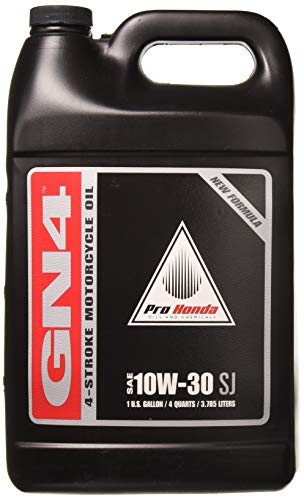
Honda Pro 10W-30 Engine Oil
To determine how much oil your car needs, it’s essential to consult your owner’s manual or the manufacturer’s website. The National Highway Traffic Safety Administration (NHTSA) also provides information on vehicle maintenance, including oil changes.
Understanding Oil Capacity
The oil capacity of your car is typically listed in the owner’s manual or on the oil filler cap. It’s usually measured in quarts, and the recommended capacity can vary from 4 to 6 quarts, depending on the engine size and type. For example, a small 4-cylinder engine may require 4 quarts of oil, while a larger V8 engine may require 6 quarts.
- Check your owner’s manual for the recommended oil capacity
- Look for the oil filler cap on your engine to find the recommended oil capacity
Factors Affecting Oil Capacity
Several factors can affect the oil capacity of your car, including the type of engine, climate, and driving conditions. For example, if you drive in extreme temperatures or tow a trailer, you may need to use a different type of oil or adjust the oil capacity. The API and SAE provide guidelines for motor oil viscosity and quality, which can help you determine the right oil for your vehicle.
- Engine type: gas, diesel, or hybrid
- Climate: extreme temperatures, towing, or hauling
- Driving conditions: city, highway, or off-road
Checking Oil Level
It’s essential to check the oil level regularly to ensure your car is running smoothly and to prevent engine damage. The NHTSA recommends checking the oil level every time you fill up with gas. To check the oil level, locate the oil dipstick under the hood, pull it out, and wipe it clean with a rag. Then, insert the dipstick back into the oil reservoir and pull it out again to get an accurate reading.
- Check the oil level every time you fill up with gas
- Use the oil dipstick to get an accurate reading
- Top off the oil level if it’s low
Adding Oil
If the oil level is low, you’ll need to add oil to bring it back up to the recommended level. Make sure to use the same type of oil recommended by the manufacturer, as listed in the owner’s manual. The API and SAE provide guidelines for motor oil viscosity and quality, which can help you determine the right oil for your vehicle.
- Use the same type of oil recommended by the manufacturer
- Check the oil filler cap for the recommended oil capacity
- Add oil slowly and check the level frequently to avoid overfilling
Overfilling and Underfilling
Overfilling or underfilling your car’s oil can cause serious damage to the engine. Overfilling can lead to oil spills and damage to the engine’s gaskets and seals, while underfilling can cause the engine to overheat and seize. The DOT and ALI provide guidelines for vehicle maintenance, including oil changes, to help prevent these types of problems.
- Avoid overfilling or underfilling the oil
- Check the oil level regularly to ensure it’s at the recommended level
- Consult your owner’s manual or the manufacturer’s website for guidance
Conclusion and Recommendations
Overall, determining how much oil your car needs is essential for its performance and longevity. By consulting your owner’s manual, checking the oil filler cap, and following the guidelines provided by the API, SAE, NHTSA, DOT, and ALI, you can ensure your car is running smoothly and safely. Remember to check the oil level regularly and top it off as needed to prevent engine damage.
Frequently Asked Questions
What happens if I overfill my car's oil?
Overfilling your car’s oil can cause serious damage to the engine, including oil spills and damage to the engine’s gaskets and seals. It’s essential to check the oil level regularly and avoid overfilling to prevent these types of problems.
How often should I check my car's oil level?
The NHTSA recommends checking the oil level every time you fill up with gas. You should also check the oil level regularly, such as every 1,000 to 5,000 miles, to ensure it’s at the recommended level.
What type of oil should I use in my car?
The type of oil you should use in your car depends on the engine type, climate, and driving conditions. Consult your owner’s manual or the manufacturer’s website for guidance on the recommended oil type and viscosity.
Can I use synthetic oil in my car?
Yes, you can use synthetic oil in your car, but it’s essential to check your owner’s manual or the manufacturer’s website to see if it’s recommended. Synthetic oil can provide better engine performance and protection, but it may not be necessary for all vehicles.
What happens if I don't change my car's oil regularly?
Failing to change your car’s oil regularly can cause serious damage to the engine, including increased wear and tear, overheating, and engine seizure. Regular oil changes can help prevent these types of problems and ensure your car runs smoothly and safely.
The Bottom Line
Overall, determining how much oil your car needs is essential for its performance and longevity. By following the guidelines provided in this guide and consulting your owner’s manual, you can ensure your car is running smoothly and safely. Remember to check the oil level regularly and top it off as needed to prevent engine damage.