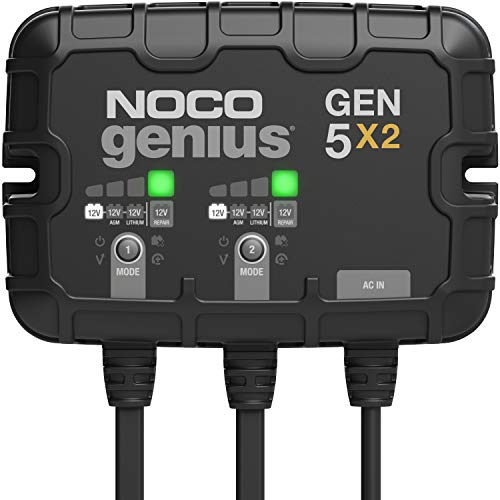
In winter, car batteries often last only 3 to 5 years, with many failing after just 3 years in extreme cold. Cold temperatures slow the chemical reactions inside the battery, reducing its capacity by at 0°F. Combined with increased demands from heaters, lights, and defrosters, your battery works harder and dies sooner. This article explains exactly how winter impacts battery life and what you can do about it.
How Cold Weather Reduces Battery Life
At 32°F, a battery loses of its starting power. At 0°F, it loses. The chemical reaction that generates electricity slows down, so the battery can’t deliver the same cranking amps. Meanwhile, engine oil thickens, requiring more power to turn the starter. This double hit means a battery that starts fine in summer may struggle in winter. Also, short trips in winter prevent the alternator from fully recharging the battery, leading to a gradual discharge and sulfation buildup that shortens lifespan.
Signs Your Battery Is Failing in Winter
Watch for slow engine cranking (a sluggish start), dim headlights, or a dashboard battery warning light. If your car takes longer to start on cold mornings, the battery likely has reduced capacity. Another sign is swelling or a cracked case, which can happen when a frozen battery expands. If your battery is more than 3 years old, have it tested before winter hits. Many auto parts stores offer free load testing.
How to Extend Battery Life in Winter
Park in a garage if possible to keep the battery warmer. Use a battery blanket or heater in extreme climates. Limit short trips by combining errands to allow the alternator to recharge the battery fully. Turn off all accessories (lights, radio, heated seats) before starting the engine to reduce load. Keep battery terminals clean and tight, as corrosion can increase resistance. If you live in a very cold area, consider a battery with a higher cold cranking amps (CCA) rating than your car requires. For more battery maintenance tips, check out our batteries category.
When to Replace Your Battery Before Winter
If your battery is 4 years old or older, replace it proactively before the first freeze. A load test can confirm its health. Batteries fail most often in winter, and a dead battery can leave you stranded. Choose a battery with a CCA rating at least as high as your vehicle’s original spec. For reliable starting power, consider a premium AGM battery, which handles cold better than standard flooded batteries. You can also use a jump starter as a backup, but replacing an old battery is the best prevention.
Frequently Asked Questions
Can a car battery freeze in winter?
Yes, a fully discharged battery can freeze at around 32°F, while a fully charged battery can withstand temperatures down to -76°F. Keeping your battery charged is key to preventing freezing.
How often should I start my car in winter to keep the battery charged?
Starting the car once a week and letting it run for 15-20 minutes can help maintain the charge, but short starts without driving may not fully recharge it. A battery maintainer is better for long periods of disuse.
Does idling charge the battery in winter?
Yes, but slowly. At idle, the alternator produces less power, so it may take 30 minutes or more to fully recharge a depleted battery. Driving for 20 minutes at highway speeds is more effective.
The Bottom Line
Winter cuts battery life to 3-5 years, with many batteries failing after 3 years in cold climates. Test your battery annually, replace it if it’s over 4 years old, and take steps to reduce strain. A little preparation can save you from a cold morning breakdown.