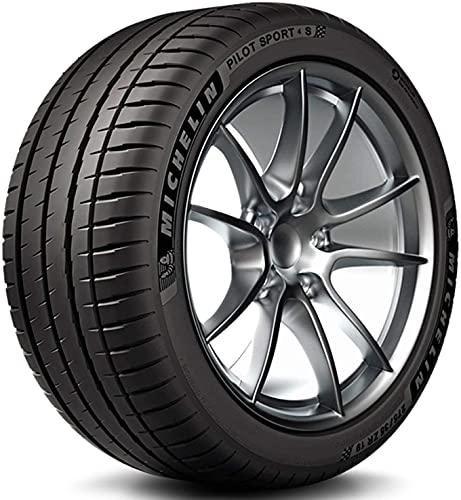
Tire balancing lasts between 5,000 and 10,000 miles on average, but it depends on driving habits, road conditions, and tire wear. You should check your balance whenever you rotate tires or feel vibrations. Balancing doesn’t wear out like oil; it can last indefinitely until something disrupts it.
How Long Does Tire Balancing Typically Last?
Most manufacturers recommend rebalancing tires every 5,000 to 10,000 miles, which aligns with tire rotation intervals. However, balancing can last longer if you drive on smooth roads and avoid potholes. The weights themselves don’t degrade, but impacts can knock them off. If you never hit a curb or large pothole, balancing may last 20,000 miles or more. The key factor is whether the wheel and tire assembly remains in balance after installation.
Signs You Need to Rebalance Your Tires
Vibration in the steering wheel or seat is the most common sign. You may also notice uneven tire wear, such as cupping or scalloping. A thumping noise at certain speeds often indicates imbalance. If your car pulls to one side, it could be balance or alignment. Check your tires monthly for flat spots or missing weights. Many shops offer free balance checks during rotation, so take advantage.
What Affects How Long Balancing Lasts?
Road conditions matter most. Potholes, curbs, and rough roads can knock weights off or bend wheels. Aggressive driving, like hard cornering or braking, can also shift weights. Temperature changes rarely affect balance, but extreme cold can make weights brittle. Tire age and type play a role: older tires may lose balance due to internal belt shifts. Run-flat tires often require special balancing procedures. Always use a reputable shop with modern equipment for best results.
How to Extend the Life of Your Tire Balance
Rotate your tires every 5,000 to 7,500 miles to promote even wear. Avoid potholes and curbs when possible. Check tire pressure monthly to prevent uneven wear that can mimic balance issues. If you hit a large bump, have your balance checked soon after. Use quality tires and wheels; cheap tires may have more internal variation. Consider upgrading to premium tires for better long-term balance. Also, ensure your wheels are clean and free of rust before balancing.
Frequently Asked Questions
Can tire balancing last the life of the tire?
In theory, yes, if you never hit any obstacles and the tire wears evenly. In practice, most tires need rebalancing at least once during their lifespan due to road impacts or tire wear.
Does tire balancing affect gas mileage?
Yes, unbalanced tires can reduce fuel economy by due to increased rolling resistance and vibration. Keeping tires balanced helps maintain optimal MPG.
How much does tire balancing cost?
Typically $15 to $50 per tire, often included with rotation or when buying new tires. Some shops offer free balancing for life with tire purchase.
The Bottom Line
Tire balancing lasts 5,000 to 10,000 miles on average but can vary widely. Pay attention to vibrations and get your balance checked during tire rotations. For more tire care tips, explore our tire guide. Regular maintenance ensures a smoother ride and longer tire life.