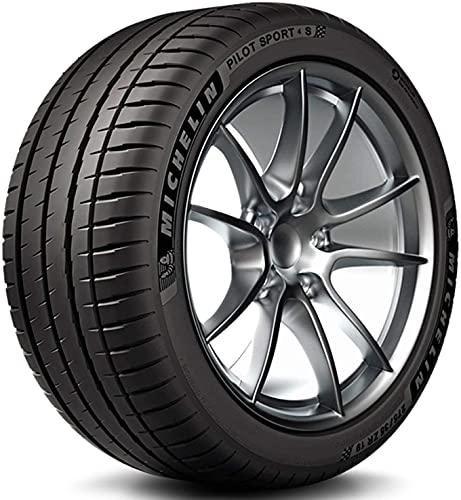
Winter tires typically last between 4 and 6 seasons, but their lifespan depends heavily on how you drive, where you live, and how you maintain them. Most winter tires start with about 10/32 to 12/32 inches of tread depth, and they’re considered worn out at 4/32 inches. Many experts recommend replacing them at 5/32 inches for optimal snow and ice traction.
What Affects Winter Tire Longevity?
Several factors determine how many miles or seasons you can get from winter tires. Driving on dry pavement accelerates wear, so if you leave them on too long in spring, you waste tread. Frequent hard braking and fast cornering also shorten life. Climate matters: in regions with prolonged deep snow, tires wear slower than in areas with mixed conditions. Proper inflation is critical; underinflated tires wear faster on the edges, while overinflated tires wear in the center. Rotating winter tires every 5,000 to 6,000 miles helps even out wear. Finally, storage matters: keep them in a cool, dry place away from sunlight and ozone sources like heaters.
When Should You Replace Winter Tires?
The legal minimum tread depth in most states is 2/32 inches, but for winter tires, that’s dangerously low. At 4/32 inches, snow traction drops significantly, and at 5/32 inches, ice braking performance declines. Use the penny test: insert a penny into the tread with Lincoln’s head down. If you can see the top of his head, it’s time to replace. Many drivers get 3 to 5 seasons from a set, but if you drive 10,000 miles per year on snow-covered roads, you might need new tires after 3 seasons. Always check the manufacture date; tires older than 6 years should be replaced regardless of tread depth due to rubber hardening.
How to Extend the Life of Winter Tires
To maximize lifespan, install winter tires only when temperatures consistently drop below 45 degrees Fahrenheit. Remove them in spring as soon as roads are clear. Maintain tire pressure monthly, as cold weather causes pressure drops. Avoid aggressive driving and sudden stops. Store unmounted tires upright in a cool, dark place; if mounted on rims, stack them or hang them. Consider using a quality tire sealant or winter tire specific air to reduce moisture inside. For more tire care tips, check out our guide on tire maintenance and selection.
Frequently Asked Questions
Can I use winter tires all year round?
No. Winter tires are made of softer rubber that wears quickly on warm pavement. Using them in summer can reduce their lifespan by half and compromise handling. Always switch to all-season or summer tires when temperatures stay above 45 degrees Fahrenheit.
Do winter tires lose effectiveness with age?
Yes. Even with good tread, rubber hardens over time. Most manufacturers recommend replacing winter tires after 6 years from the date of manufacture. Check the DOT code on the sidewall for the production week and year.
How do I know if my winter tires are too old?
Look for cracks in the sidewall or between tread blocks. If the tires are more than 6 years old, have them inspected by a professional. Also, if they feel hard or slippery on wet roads, replace them. For more details, see our best OBD2 scanners for checking tire pressure sensors.
The Bottom Line
Winter tires last 4 to 6 seasons on average, but actual life depends on usage and care. Replace them when tread reaches 4/32 inches or after 6 years. Don’t push beyond these limits; your safety on snow and ice depends on it.