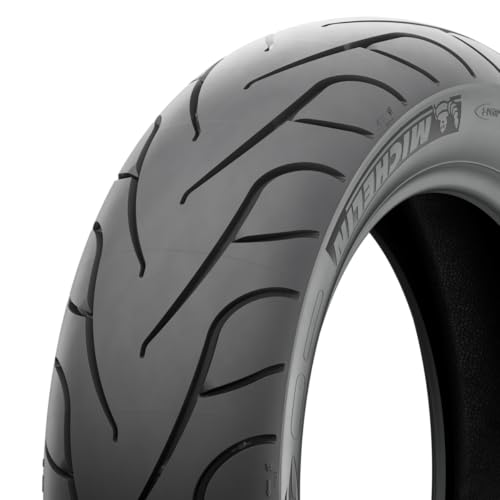
Tire speed ratings don’t have a set expiration date, but they indicate the maximum speed a tire can safely handle under optimal conditions. The rating itself doesn’t wear out, but the tire’s ability to perform at that speed degrades over time due to tread wear, age, and damage. You should replace tires when tread depth reaches 2/32 inch, regardless of speed rating, or after 6-10 years of use.
Understanding Tire Speed Ratings and Their Lifespan
Tire speed ratings are letters (e.g., S, T, H, V, Z) that correspond to maximum speed capabilities. For example, an S rating is good for 112 mph, while a Y rating handles up to 186 mph. These ratings are set during manufacturing and don’t change over time. However, the tire’s structural integrity and rubber compound degrade with mileage and age, reducing its ability to safely sustain high speeds. A tire with a high speed rating may still fail if it’s old or worn, even if the rating is still valid.
Factors That Affect How Long a Speed Rating Remains Safe
Several factors determine how long your tires can maintain their speed rating performance. First, tread depth is critical: tires with less than 4/32 inch of tread struggle to dissipate heat at high speeds, increasing blowout risk. Second, age matters: rubber hardens and cracks over time, even if tread is deep. Most manufacturers recommend replacing tires after 6 years, regardless of use. Third, driving habits and road conditions accelerate wear. Frequent high-speed driving, underinflation, and exposure to UV rays all shorten a tire’s effective life. Finally, repairs like plugs or patches can compromise a tire’s speed rating, especially for V-rated or higher tires.
When to Replace Tires Based on Speed Rating
Replace your tires when tread depth reaches 2/32 inch (the legal minimum) or when you see wear bars. For high-speed driving, consider replacing at 4/32 inch for better safety. Check the tire’s DOT code for age: tires older than 10 years should be replaced, even if they look fine. If your car requires a specific speed rating (e.g., V for a sports car), never install a lower-rated tire, as it won’t handle the vehicle’s top speed safely. However, you can use a higher-rated tire, but it may wear faster due to softer rubber compounds.
Common Myths About Tire Speed Ratings
Many drivers believe speed ratings expire like a warranty, but they don’t. Another myth is that higher-rated tires last longer: in reality, high-performance tires (Z, W, Y) often have softer rubber that wears faster than standard touring tires (S, T). Also, some think mixing speed ratings is acceptable, but it can cause handling imbalances and isn’t recommended. Always match speed ratings on all four tires for consistent performance.
Frequently Asked Questions
Can I use a tire with a lower speed rating than my car requires?
No, you should never use a tire with a lower speed rating than the vehicle manufacturer recommends. Doing so can lead to tire failure at high speeds and void your warranty. Always match or exceed the original speed rating.
Do speed ratings affect tire wear?
Yes, indirectly. Higher speed ratings often use softer rubber compounds for better grip, which can wear faster. However, driving habits and maintenance have a bigger impact on tread life. A tire’s speed rating doesn’t directly determine its longevity.
How can I check my tire’s speed rating?
Look on the tire sidewall for a combination of letters and numbers. The speed rating is usually the last letter in the tire size code, e.g., 205/55R16 91V. The ‘V’ is the speed rating. You can also check your owner’s manual or the tire placard on the driver’s door jamb.
The Bottom Line
Tire speed ratings don’t expire, but the tires themselves do. Replace tires based on tread depth, age, and condition, not just the rating. For maximum safety, always use tires that meet or exceed your vehicle’s recommended speed rating and replace them every 6-10 years. For more tire buying tips, check out our tire guide.