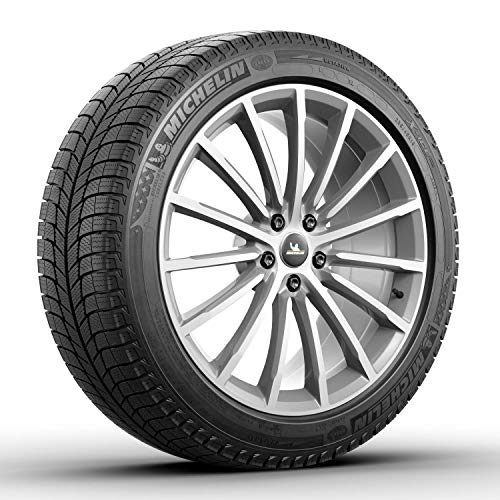
Tire load index doesn’t have a fixed lifespan because it’s a static rating assigned by the manufacturer. However, the actual load capacity of a tire can decrease over time as the tire wears, ages, or sustains damage. This means a tire’s ability to safely carry its rated load diminishes, even though the load index number printed on the sidewall never changes. To ensure safety, you must monitor tire condition and replace them when necessary.
Understanding Tire Load Index and Its Permanence
The load index is a numerical code that corresponds to the maximum weight a tire can support when properly inflated. For example, a load index of 95 means the tire can carry up to 1,521 pounds. This rating is determined during manufacturing and doesn’t change with use. However, the tire’s physical condition does change. As the tread wears down, the tire’s internal structure may weaken, reducing its actual load capacity. A worn tire with a load index of 95 might only safely support 1,200 pounds. Always check your tire’s tread depth and look for signs of aging like cracks or bulges.
Factors That Reduce Load Capacity Over Time
Several factors cause a tire’s load capacity to decline. Tread wear is the most obvious: tires with less than 2/32 inch of tread are unsafe and should be replaced. Age also plays a role; most tire manufacturers recommend replacing tires every 6 to 10 years, regardless of tread depth, because rubber compounds degrade. Heat and UV exposure accelerate this process. Underinflation and overloading can cause internal damage that reduces load capacity. Finally, road hazards like potholes can cause impact damage that compromises the tire’s integrity. Regularly inspect your tires for these issues.
When to Replace Tires Based on Load Capacity Concerns
You should replace tires if they show any of these signs: tread depth below 2/32 inch, visible cracks in the sidewall, bulges or blisters, excessive vibration, or if the tire is older than 6 to 10 years. Even if the tire looks fine, age alone can reduce load capacity significantly. For example, a 10-year-old tire may have lost of its original load capacity. If you frequently carry heavy loads, consider replacing tires sooner. Always follow the vehicle manufacturer’s recommendations and consult a professional if unsure. For more tire care tips, check out our tire maintenance guide.
Frequently Asked Questions
Does tire load index affect tire lifespan?
No, the load index itself doesn’t affect how long a tire lasts. However, using a tire with a lower load index than required can cause premature wear and failure. Always use tires with a load index that meets or exceeds your vehicle’s requirements.
Can I increase tire load capacity by overinflating?
No, overinflating doesn’t increase load capacity and can be dangerous. It reduces the tire’s contact patch, leading to uneven wear and reduced traction. Always inflate to the recommended pressure listed on the vehicle’s door jamb or owner’s manual.
How do I find the correct load index for my vehicle?
Check your vehicle’s owner’s manual or the tire information sticker on the driver’s side door jamb. It lists the required load index and speed rating. You can also consult a tire professional. Never use a tire with a lower load index than specified.
The Bottom Line
The tire load index is a fixed number, but the tire’s ability to carry that load diminishes over time due to wear, age, and damage. To stay safe, inspect your tires regularly and replace them when tread is low, cracks appear, or after 6 to 10 years. For more information on choosing the right tires, see our tire buying guide.