Brake pads are a critical safety component of your vehicle, and understanding their lifespan is essential for maintaining reliable stopping power. Unlike oil changes with their standardized intervals, brake pad longevity varies significantly based on driving habits, vehicle type, and environmental conditions.
This guide explains the factors that determine brake pad life, typical replacement timelines, and how to recognize when your pads need service. By understanding these variables, you can make informed decisions about maintenance and avoid unsafe driving conditions.
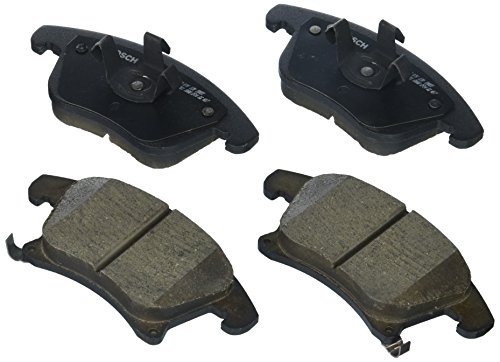
Bosch QuietCast BC1650 Premium Ceramic Front Brake Pads
Typical Brake Pad Lifespan
Most brake pads last between 25,000 and 70,000 miles, though some premium materials can exceed 80,000 miles. This wide range reflects the significant impact of individual driving patterns and conditions. According to the National Highway Traffic Safety Administration (NHTSA), regular brake inspections are part of responsible vehicle maintenance, though specific replacement intervals depend on multiple factors rather than a one-size-fits-all timeline.
Front brake pads typically wear faster than rear pads because front brakes handle approximately 60 to 70 percent of your vehicle’s braking force due to weight transfer during deceleration. This means you may need to replace front pads more frequently than rear pads on the same vehicle.
Key Factors Affecting Brake Pad Wear
Several variables significantly influence how quickly your brake pads deteriorate:
- Driving habits: Aggressive braking, frequent hard stops, and driving in stop-and-go traffic accelerate pad wear. Smooth, gradual braking extends pad life considerably.
- Vehicle weight: Heavier vehicles require more braking force, causing faster pad wear. Towing or carrying heavy loads increases wear rates.
- Terrain: Mountainous or hilly driving demands constant braking, reducing pad lifespan. Frequent downhill driving is particularly demanding on brake systems.
- Climate conditions: Salt, moisture, and corrosive road chemicals in winter climates can degrade brake components faster. Hot climates may cause brake fluid degradation and increased wear.
- Brake pad material: Different compounds wear at different rates. Organic pads wear faster but provide quieter operation, while ceramic and semi-metallic pads last longer.
- Brake system condition: Worn rotors, sticky calipers, or misaligned wheels force pads to work harder and wear unevenly.
Understanding Brake Pad Materials
Brake pad composition directly impacts wear rate and performance. The Society of Automotive Engineers (SAE) classifies brake pads into three main categories based on friction material.
Organic pads contain non-asbestos materials and are the most common factory equipment. They offer good initial bite, quiet operation, and gentle rotor wear, but typically wear faster than alternatives, often lasting 25,000 to 40,000 miles.
Semi-metallic pads blend metal particles with organic material, providing improved heat dissipation and durability. They typically last 40,000 to 60,000 miles but may produce more noise and dust than organic compounds.
Ceramic pads use ceramic compounds bonded with resin, offering excellent heat management, low noise, and minimal dust. They’re more expensive but often last 60,000 to 80,000 miles or longer. Ceramic pads are increasingly popular for premium and high-performance vehicles.
Your vehicle’s original equipment manufacturer (OEM) specifies brake pad materials based on vehicle weight, intended use, and thermal requirements. Aftermarket replacements should meet or exceed these specifications.
Warning Signs Your Brake Pads Need Replacement
Recognizing warning signs prevents brake failure and ensures safety. Never ignore these indicators:
- Brake warning light: Modern vehicles have sensors that illuminate the dashboard brake light when pads reach minimum thickness. This is your most reliable indicator to schedule service immediately.
- Squealing or squeaking: Most brake pads include a wear indicator tab that contacts the rotor when pads are nearly worn, producing a high-pitched sound. This warns drivers before pads fail completely.
- Grinding noise: A grinding sound indicates pads have worn completely, and metal-to-metal contact is occurring. This damages rotors and requires more expensive repairs. Never drive with grinding brakes.
- Reduced braking responsiveness: If your brake pedal feels softer or requires more pressure to stop, have brakes inspected immediately. This may indicate pad wear or brake fluid issues.
- Brake pedal pulsation: A pulsating pedal during braking suggests uneven pad wear or warped rotors, both requiring professional inspection.
- Longer stopping distances: If your vehicle takes noticeably longer to stop, brake system service is needed.
Inspection and Maintenance Best Practices
Regular brake inspections catch wear before it becomes dangerous. The American Automobile Association (AAA) recommends having your brake system inspected annually or whenever you notice warning signs.
During a professional inspection, technicians measure pad thickness, inspect rotors for scoring or warping, check brake fluid condition, and examine calipers for proper operation. Many shops can perform basic visual inspections during routine maintenance visits.
You can perform a preliminary visual inspection by looking through your wheel spokes at the brake pads. Pads should be at least one-quarter inch thick. If they appear thinner, schedule professional service. However, a complete brake system evaluation requires professional equipment and expertise.
Maintaining your brake system involves more than just replacing pads. Brake fluid should be flushed and replaced according to your vehicle’s maintenance schedule, typically every two to three years. Rotors should be inspected for wear and resurfaced or replaced as needed. Calipers and brake hoses should be checked for leaks and proper operation.
Driving Habits That Extend Brake Pad Life
Your driving technique significantly influences how long brake pads last. Adopting smoother braking habits can extend pad life by thousands of miles.
Anticipate stops: Look ahead at traffic patterns and begin slowing gradually rather than braking suddenly. This distributes braking force over longer distances, reducing heat and wear.
Avoid riding the brake: Keeping your foot on the brake pedal while coasting applies constant pressure that generates heat and accelerates wear. Use neutral or light throttle to slow gradually instead.
Use engine braking: Downshifting in manual transmissions or selecting lower gears in automatics uses engine resistance to slow the vehicle, reducing reliance on friction brakes.
Reduce following distance: Maintaining greater distance from vehicles ahead allows more gradual braking when traffic slows.
Avoid heavy loads: Carrying unnecessary weight increases braking force requirements. Remove roof racks, cargo carriers, and items from your trunk when not needed.
Check tire pressure: Underinflated tires increase rolling resistance and require harder braking. Properly inflated tires reduce brake wear and improve fuel efficiency.
Cost Considerations and Replacement Timing
Understanding brake pad replacement costs and timing helps you budget for maintenance and avoid emergency repairs. Brake pad replacement is among the most common and affordable vehicle maintenance items, but costs vary based on vehicle type, pad material, and labor rates.
Professional mechanics typically recommend replacing brake pads before they wear completely. Waiting until pads are metal-to-metal damages rotors, which are more expensive to replace or resurface. A rotor replacement can cost two to three times more than pad replacement alone, making proactive maintenance economically sensible.
Many shops offer brake pad replacement as part of routine service packages. Some dealerships provide brake inspections at no charge during scheduled maintenance, helping identify wear early. Independent mechanics and chain service centers often provide competitive pricing and quality work.
Keep records of brake service dates and mileage. This documentation helps you track wear patterns and plan future maintenance. If you notice brake pads wearing unusually quickly, have a technician inspect the entire brake system for problems like stuck calipers or misalignment that could cause premature wear.
Frequently Asked Questions
How do I know if my brake pads need replacing right now?
Check for a brake warning light on your dashboard, listen for squealing or grinding sounds, or have a visual inspection performed. If your brake pedal feels soft or your vehicle takes longer to stop, schedule an inspection immediately. Professional technicians can measure pad thickness to determine if replacement is needed. Don’t ignore warning signs, as worn brakes are a serious safety hazard.
Can I replace only the front brake pads and leave the rear pads alone?
Yes, it’s common to replace front pads more frequently than rear pads since fronts wear faster due to handling most braking force. However, have a technician inspect rear pads during front pad replacement to assess their condition. If rear pads are significantly worn, they should be replaced to maintain balanced braking and prevent rear brake system problems.
What's the difference between OEM and aftermarket brake pads?
OEM pads are manufacturer-approved components designed specifically for your vehicle. Aftermarket pads are produced by third-party manufacturers and vary in quality and material composition. Quality aftermarket pads meeting SAE standards perform well and often cost less than OEM pads. However, ensure any replacement pads meet your vehicle’s specifications for friction rating and material type. Consult your owner’s manual or a technician for recommendations.
Is it normal for brake pads to wear unevenly?
Some uneven wear is normal, but excessive unevenness indicates a problem. Sticky calipers, misaligned wheels, or warped rotors can cause one pad to wear faster than others. If you notice significant uneven wear, have the entire brake system inspected. Addressing underlying issues prevents premature brake failure and extends the life of replacement pads.
How long can I drive with a brake warning light on?
You shouldn’t drive with a brake warning light on any longer than necessary to reach a repair facility. The light indicates your pads are at minimum safe thickness. Continuing to drive risks complete brake failure, which is extremely dangerous. Have the brakes inspected and serviced immediately. Delaying repair increases the risk of damage to rotors and other brake components, resulting in more expensive repairs.
The Bottom Line
Brake pad lifespan depends on multiple factors including driving habits, vehicle type, terrain, and pad material. While typical replacement occurs between 25,000 and 70,000 miles, your individual driving patterns may result in different intervals. Regular inspections, attention to warning signs, and proactive maintenance ensure your brakes remain safe and reliable.
By understanding what affects brake pad wear and adopting smooth driving techniques, you can extend pad life and reduce overall brake system maintenance costs. Never ignore warning signs like squealing, grinding, or reduced braking response. When replacement is needed, choose quality pads that meet your vehicle’s specifications and have them installed by qualified technicians. Your safety depends on properly functioning brakes, making timely maintenance a very important aspects of vehicle ownership.


