Track days punish your brakes harder than anything you do on the street. Repeated heavy stops from high speed push pad and rotor temperatures sky high, and that heat soaks straight into your brake fluid. When the fluid gets hot enough to boil, it forms compressible vapor pockets in the lines, and that’s the moment your pedal sinks to the floor right before a corner. The right high temperature brake fluid is the cheapest insurance you can buy against that terrifying long pedal.
We focused on what actually matters for repeated hard laps: a high dry boiling point so fresh fluid resists fade, a high wet boiling point so it stays safe after it has absorbed moisture, and consistent pedal feel under load. Below are seven track proven brake fluids, ranked best first, with honest notes on where each one shines and where it falls short.
| Photo | Product | Score | Buy |
|---|---|---|---|
 |
Castrol SRF Racing Brake Fluid Best Overall DOT 4 racing, dry boiling point around 590F, wet boiling point around 518F |
9.5 |
ⓘ We may earn a commission from qualifying purchases made through links on this page, at no extra cost to you.
|
 |
Motul RBF 660 Factory Line Best Value DOT 4 racing, dry boiling point around 617F, wet boiling point around 399F |
9.3 | 🛒 Check Price |
 |
Brembo LCF 600 Plus Brake Fluid Best Pedal Feel DOT 4 racing, dry boiling point around 600F, wet boiling point around 399F |
9.1 | 🛒 Check Price |
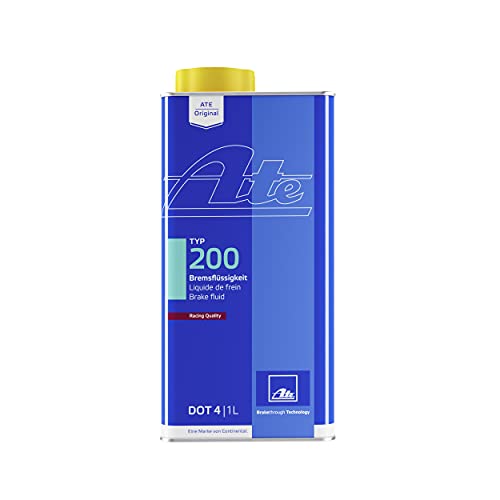 |
ATE TYP 200 Brake Fluid Best for Beginners DOT 4, dry boiling point around 536F, wet boiling point around 388F |
8.9 | 🛒 Check Price |
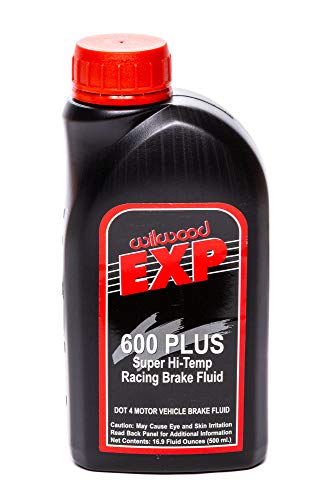 |
Wilwood EXP 600 Plus High Temperature Brake Fluid Best for Big Brake Kits DOT 4 racing, dry boiling point around 626F, wet boiling point around 417F |
8.7 | 🛒 Check Price |
 |
StopTech STR-600 High Performance Brake Fluid Best Consistency DOT 4 racing, dry boiling point around 600F, wet boiling point around 410F |
8.5 | 🛒 Check Price |
|
ATE TYP 200 Amber Racing Brake Fluid Best Easy Bleeding DOT 4, dry boiling point around 536F, wet boiling point around 388F |
8.2 | 🛒 Check Price |
1. Castrol SRF Racing Brake Fluid: Best Overall
Castrol SRF is the fluid serious club racers and endurance teams reach for, and for good reason. Its dry boiling point sits near 590F, but the number that really matters on a wet morning is the wet boiling point of roughly 518F, which is dramatically higher than almost anything else on the market. That gap means the pedal you feel on your last hot lap is nearly identical to the pedal on your first, even after the fluid has pulled in moisture over a season.
The honest weakness here’s value. SRF is the most demanding fluid to justify if you only attend a handful of track days, and the bottle empties fast once you account for a full flush and bleed. If you run an endurance schedule or a heavy car that cooks fluid, it pays for itself in confidence. If you’re a weekend novice, you’re paying for headroom you may never reach.
- Exceptionally high wet boiling point that barely drops as the fluid ages
- Silicone ester base resists vapor lock under sustained track abuse
- Long service life between flushes compared with most racing fluids
Pros: Class leading wet boiling point keeps the pedal firm late in a session; Stays stable lap after lap with very little fade; Lasts far longer before it needs changing than typical race fluid
Cons: Premium pricing puts it at the top of the range; Overkill for casual drivers who only see the track a few times a year
2. Motul RBF 660 Factory Line: Best Value
Motul RBF 660 is the fluid that gets recommended in nearly every track forum thread, and it earns that reputation. With a dry boiling point around 617F it gives you enormous headroom on fresh fluid, and the pedal feel is firm and full of feedback, which inspires real confidence trail braking into a fast corner. For most enthusiasts running several track days a year, this is the sweet spot of performance and price.
The trade off is moisture sensitivity. The wet boiling point of roughly 399F is solid but well below the Castrol SRF, and RBF 660 absorbs water relatively quickly once exposed to air. That means you should flush it more often, ideally before each event or every couple of months, rather than trusting it to hold up for a full season. Treat it as a fluid you change regularly and it rewards you handsomely.
- One of the highest dry boiling points available in a street legal DOT 4
- Firm, communicative pedal feel that track drivers consistently praise
- Widely available and easy to source before an event
Pros: Outstanding dry boiling point for fresh fluid fade resistance; Excellent pedal feedback under heavy braking; Strong real world value for the performance it delivers
Cons: Wet boiling point drops faster, so it needs frequent changing; Absorbs moisture readily once the bottle is opened
3. Brembo LCF 600 Plus Brake Fluid: Best Pedal Feel
It makes sense that the company building so many performance calipers also makes an excellent fluid. Brembo LCF 600 Plus is formulated for low compressibility, and you feel that the instant you press the pedal. It’s firm and direct with very little of the spongy travel that creeps in when lesser fluids start to heat soak. With a dry boiling point near 600F, it holds up well through repeated hard stops from speed.
Where it lands behind the leaders is availability and wet boiling point. LCF 600 Plus can be trickier to track down at short notice than Motul or ATE, and its wet rating of around 399F, while perfectly respectable, doesn’t match the Castrol SRF for moisture aged headroom. For drivers who prize pedal feel above all and flush their fluid regularly, it’s a superb and slightly underrated choice.
- Low compressibility formula for a notably firm pedal
- Engineered by a brake company that builds the calipers themselves
- Compatible with most modern ABS and stability systems
Pros: Very firm, low compressibility pedal feel; Strong dry boiling point for hard track sessions; Backed by Brembo braking expertise
Cons: Can be harder to find than the big name racing fluids; Wet boiling point is good but not class leading
4. ATE TYP 200 Brake Fluid: Best for Beginners
ATE TYP 200 is the fluid that bridges daily driving and the occasional track day better than almost anything. Its dry boiling point of around 536F is lower than the hardcore race fluids, but it’s more than enough for most stock and lightly modified cars during novice and intermediate sessions. The real strength is how well it resists moisture, so it stays dependable as a year round fluid you don’t have to flush constantly.
The limitation is simply ceiling. A heavy car, sticky tires, or an aggressive driver braking deep from triple digit speeds can push TYP 200 past its comfort zone, and that’s when you’ll want a higher dry boiling point fluid. As a confidence building first step into track days, or for a car that mostly sees street duty with a few lapping days mixed in, it’s hard to beat for sensible, reliable performance.
- Trusted European OEM heritage with proven reliability
- Excellent moisture resistance for a street and track fluid
- Easy to bleed with a clean, consistent feel
Pros: Great balance of street usability and track performance; Holds its wet boiling point well over time; Approachable and forgiving for first time track drivers
Cons: Dry boiling point trails the dedicated race fluids; Can be pushed past its limits by heavy or fast cars
5. Wilwood EXP 600 Plus High Temperature Brake Fluid: Best for Big Brake Kits
Wilwood lives and breathes motorsport braking, and EXP 600 Plus reflects that focus. With a dry boiling point near 626F it sits among the very highest here, giving real margin for cars running big brake kits that generate serious caliper temperatures. The wet boiling point of roughly 417F is also strong for a race fluid, so it doesn’t fall apart quickly as moisture creeps in, and the formula includes lubricity additives that look after race caliper seals.
The catch is that this leans firmly toward the dedicated track crowd. It isn’t the fluid most people grab for a daily driver, and you’re more likely to find it at performance and racing suppliers than on a general shelf. If you have invested in upgraded calipers and rotors and want a fluid engineered to match, EXP 600 Plus is a logical and high performing partner, but casual users will be better served elsewhere.
- Very high dry boiling point built for serious heat
- Formulated by a dedicated motorsport brake manufacturer
- Good lubricity to protect seals in race calipers
Pros: One of the highest dry boiling points on this list; Strong wet boiling point for a race oriented fluid; Pairs naturally with Wilwood and aftermarket big brake setups
Cons: More of a dedicated track product than a street fluid; Availability can be patchy outside specialist retailers
6. StopTech STR-600 High Performance Brake Fluid: Best Consistency
StopTech built its name on performance brake hardware, and the STR-600 fluid carries that intent. The numbers are well balanced, with a dry boiling point around 600F and a wet boiling point near 410F, which together produce a fluid that stays consistent as a session wears on rather than spiking early and fading late. That predictability is exactly what you want when you’re stringing together flying laps and trusting the pedal in the braking zones.
It isn’t the boiling point champion in any single category, and that’s the honest knock against it. A few rivals edge it on raw dry rating, and it can be harder to find at short notice than the household name fluids. But as a do everything track fluid that holds its composure and doesn’t surprise you, STR-600 is a dependable and slightly under the radar option worth shortlisting.
- Balanced dry and wet boiling points for repeatable performance
- Designed to resist fade across a full track session
- From a brand focused purely on performance braking
Pros: Consistent pedal across long sessions; Healthy wet boiling point that ages gracefully; Clear track focused formulation
Cons: Not as widely stocked as the mainstream racing fluids; Dry boiling point matched or beaten by rivals at a similar level
7. ATE TYP 200 Amber Racing Brake Fluid: Best Easy Bleeding
The amber version of ATE TYP 200 delivers the same trusted high temperature performance with one genuinely useful twist for the home mechanic. Because the fluid is amber rather than clear, you can watch the new fluid push the old fluid through each bleeder and know exactly when the lines are fully flushed. For anyone bleeding their own brakes in the garage before a track day, that visual feedback removes a lot of uncertainty and wasted fluid.
Performance wise it carries the same strengths and the same ceiling as the standard TYP 200, with a dry boiling point around 536F that suits novice and intermediate track use but can be exceeded by heavy, fast cars. The color trick is its main differentiator, so if you outsource your brake work the benefit fades. For hands on owners who flush their own fluid, though, it’s a smart and practical pick.
- Amber color makes flush completion easy to see during a bleed
- Same proven high temperature formula as the standard TYP 200
- Excellent moisture resistance for year round use
Pros: Color contrast takes the guesswork out of bleeding; Reliable and forgiving for DIY garage work; Strong wet boiling point retention over time
Cons: Same boiling point ceiling as the standard TYP 200; Color advantage matters less if you pay a shop to bleed it
Frequently Asked Questions
What makes a brake fluid good for track days?
The two numbers that matter most are the dry boiling point and the wet boiling point. The dry boiling point tells you how hot fresh fluid can get before it boils, while the wet boiling point reflects fluid that has absorbed moisture over time, which all glycol based fluids do. On track, repeated hard braking sends huge heat into the fluid, so you want both figures as high as possible. A high boiling point keeps the fluid liquid rather than letting it form compressible vapor that drops the pedal to the floor. Consistent pedal feel and good moisture resistance round out what separates a true track fluid from a basic street DOT 4.
Can I use DOT 5.1 or do I need a racing DOT 4?
For most track work a high performance racing DOT 4 is the right answer, and that’s what nearly every fluid on this list is. Racing DOT 4 fluids deliver the highest dry boiling points and the firm pedal feel that track driving demands. DOT 5.1 is also glycol based and can offer strong numbers, and it’s compatible with DOT 4 systems, so it’s a reasonable choice too. The one to avoid is DOT 5, which is silicone based, doesn’t mix with the others, and is generally not suited to hard track use. When in doubt, stick with a reputable racing DOT 4 and flush it often.
How often should I change brake fluid if I track my car?
Far more often than a street only car. Glycol based fluids absorb moisture continuously, and that water steadily lowers the boiling point, which is the opposite of what you want on track. A good rule is to do a full flush and bleed before each track day, or at minimum every couple of months during an active season. Race oriented fluids like Motul RBF 660 in particular absorb moisture quickly once opened, so frequent changes matter even more with them. At the very least, always bleed the brakes before an event to push fresh fluid through and clear any moisture that has crept in.
Will high performance brake fluid help if I am not bleeding the brakes properly?
No, and this is a critical point. Even the best fluid on earth will give you a soft pedal if air remains trapped in the lines or calipers after a bleed. Trapped air is compressible, so it produces the same sinking pedal that boiling fluid does. Before any track day, bleed the brakes thoroughly until clean fluid with no bubbles flows from every corner, working from the caliper farthest from the master cylinder inward. A pressure or vacuum bleeder makes this far easier and more reliable. Pair a proper bleed with a high boiling point fluid and you give yourself the best chance of a firm, dependable pedal all session.
Do I need to use the same brand fluid that’s already in my car?
You don’t have to match brands, because all glycol based DOT 3, DOT 4, and DOT 5.1 fluids are chemically compatible and can be safely mixed. Still, the smart move when stepping up to a track fluid is to perform a complete flush rather than just topping up. Old, moisture laden fluid drags down the boiling point of whatever you add, so the only way to get the full benefit of a high performance fluid is to push every drop of the old fluid out. The one exception is silicone DOT 5, which must never be mixed with the others and isn’t recommended for track use anyway.
Our Verdict
For drivers who want the ultimate margin of safety and a pedal that stays firm even after the fluid has aged, the Castrol SRF Racing Brake Fluid is our top pick thanks to its class leading wet boiling point and long service life, though it demands the most from your budget. If you want most of that confidence at a far friendlier price, the Motul RBF 660 Factory Line is the runner up and the smart choice for the majority of track enthusiasts, delivering a huge dry boiling point and superb pedal feel as long as you flush it regularly. Whichever you pick, change your fluid often and bleed it properly, because no fluid can save a brake system full of old, moisture laden fluid or trapped air.


