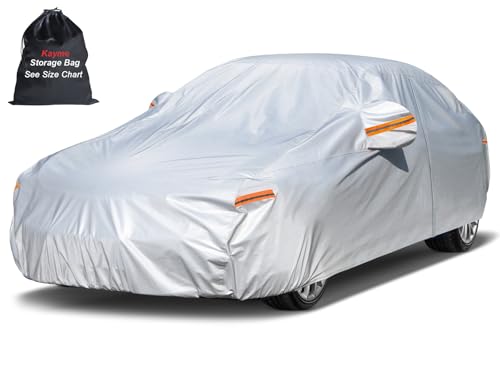
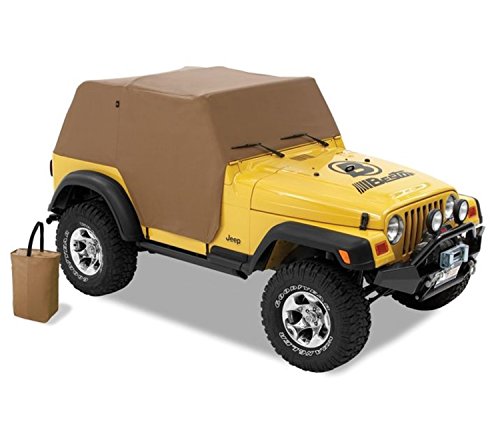
Car covers can scratch your paint, but the cover itself is rarely the culprit. Scratches happen when a cover is dragged over a dirty car, when dust trapped under the fabric grinds against the clear coat as the cover shifts in wind, or when a cheap, ill-fitting cover flaps against panels for weeks. A quality cover used on a clean car with a proper fit protects far more than it risks, which is why the answer is really about habits rather than the product.
How Covers Actually Cause Scratches
Three mechanisms account for nearly all cover-related damage. Dragging is first: pulling a cover across the roof and hood scuffs whatever grit sits on either surface, acting like a giant sanding block. Trapped debris is second: dust, pollen, and sand between fabric and paint become an abrasive paste every time wind moves the cover even a centimeter. Flapping is third: a loose cover in wind delivers thousands of micro-impacts along edges and corners, polishing haze and swirl patterns into horizontal panels over weeks. Notice that all three involve movement plus contamination, not the fabric alone.
The Habits That Prevent Damage
Cover a clean car, full stop; even a quick rinse and dry before covering removes the grit that does the cutting. Fold the cover onto itself as you remove it rather than dragging it off, and store it in its bag so the inside stays clean; a cover’s soft inner lining protects nothing once it is impregnated with sand. Shake the cover out and let it dry before re-covering, since trapped moisture adds water spotting and mildew to the scratch risk. Finally, snug the fit with the mirror pockets, straps, and elastic hems the cover ships with, because a cover that cannot move cannot grind.
Fit and Fabric Matter More Than Price
A semi-custom or custom-fit cover holds itself against the body and eliminates most flap. Multi-layer fabrics with a soft fleece or micro-fiber inner face are gentler on clear coat than single-layer plastic tarps, which should never touch paint directly. Outdoor covers must also breathe; waterproof-but-not-breathable materials trap condensation against the paint and trade scratches for water etching. Our best car covers guide separates the soft-lined breathable designs from the tarp-grade disappointments.
Indoor Versus Outdoor Risk
Indoor covers on garaged cars are nearly risk-free because there is no wind and little dust load; a soft flannel indoor cover on a clean car is the standard show-car practice. Outdoor covers work harder: they collect airborne grit constantly and face wind daily, so cleaning the cover itself every month or two matters as much as washing the car. If a car lives outside uncovered versus outside under a maintained cover, the cover wins comfortably; UV fade, bird droppings, and tree sap do far more measurable damage than a well-managed cover ever will.
Frequently Asked Questions
Should I put a car cover on a wet car?
No. Trapped water cannot evaporate properly under most covers and leaves mineral spotting, and damp fabric breeds mildew that transfers to the paint. Dry the car first, or let a breathable cover and sun finish light dampness.
How often should I wash the cover itself?
Every one to two months for outdoor use, per the maker’s instructions. The inner face collects the grit that scratches, and a dirty cover quietly undoes every careful habit.
Is a cover safe on ceramic coated paint?
Yes, with the same clean-car, clean-cover rules. Coatings resist chemical etching, but they scratch like any clear coat, so trapped grit remains the enemy.
The Bottom Line
Car covers scratch paint when they are used carelessly: dirty car, dirty cover, loose fit, dragged on and off. Use a fitted, soft-lined, breathable cover over a clean dry car, keep the cover itself clean, and it becomes what it claims to be, which is protection. The scratch stories are almost always habit stories.