Keeping a vehicle’s finish looking fresh is a common concern for American car owners. Whether you commute daily, weekend‑drive, or collect classic cars, the choice of paint protection can affect appearance, resale value, and long‑term maintenance.
This guide explains how wax, synthetic sealants, and ceramic coatings work, compares their performance, and outlines safe application practices.
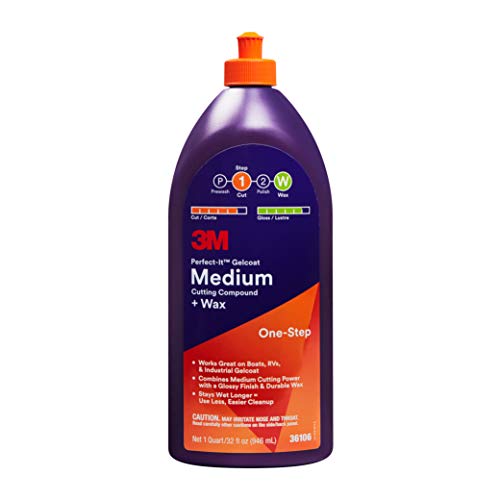
3M Marine Restorer and Wax
What Protects a Car’s Paint?
Paint on a vehicle is exposed to ultraviolet (UV) radiation, acid rain, road salts, bird droppings, and everyday abrasion. The National Highway Traffic Safety Administration (NHTSA) recommends regular cleaning and protective treatments to prevent premature paint degradation.
Three main categories of protective layers are commonly used in the United States:
- Natural or polymer‑based waxes
- Synthetic sealants
- Ceramic (nanotechnology) coatings
Each creates a barrier that reduces the rate at which contaminants reach the clear coat.
Paint Wax: Traditional Protection
Wax is typically derived from carnauba (a Brazilian palm) or a blend of natural and synthetic polymers. The American Petroleum Institute (API) sets standards for wax composition, ensuring consistent melt point and hardness.
Wax forms a thin, sacrificial film that fills microscopic pores in the clear coat. When contaminants adhere to the wax, they can be removed with a gentle wash, preserving the underlying paint.
- Protection level: Low to moderate UV shielding
- Longevity: 2–4 weeks under normal climate conditions
- Reapplication: Requires frequent re‑waxing to maintain gloss
Synthetic Sealants: Modern Alternative
Synthetic sealants are engineered polymer blends, often based on polyurethane or acrylic chemistries. The Society of Automotive Engineers (SAE) provides testing protocols (e.g., SAE J442) that measure hardness, chemical resistance, and wear resistance of these products.
Sealants create a harder, more chemically resistant layer than wax, but they don’t bond chemically to the paint; they sit on top like a clear coat.
- Protection level: Moderate UV blocking and higher resistance to oils and acids
- Longevity: 4–6 months depending on climate and washing habits
- Reapplication: Typically every 4–6 months for optimal performance
Ceramic Coating: Nanotechnology Barrier
Ceramic coatings are liquid polymers containing silicon dioxide (SiO₂) or titanium dioxide (TiO₂) particles that chemically bond to the vehicle’s clear coat. When cured, they form a glass‑like, cross‑linked network that’s extremely hard and hydrophobic.
According to SAE standards (e.g., SAE J442 and J1473), ceramic coatings can achieve hardness ratings above 9H and demonstrate superior resistance to chemicals, UV radiation, and temperature extremes.
- Protection level: High UV shielding, chemical resistance, and self‑cleaning properties
- Longevity: 2–5 years when properly maintained
- Reapplication: Requires professional removal and re‑application for full durability
Durability, Maintenance, and Cost Comparison
When picking a protection method, consider three practical factors: how long the product lasts, how much upkeep it requires, and the overall expense.
- Wax: Cheapest upfront, but needs weekly or bi‑weekly re‑application for consistent shine.
- Sealant: Moderate cost, longer intervals between applications, and offers better resistance to chemicals.
- Ceramic coating: Highest initial cost, often applied by a certified installer, but reduces routine washing frequency and protects for years.
The Department of Transportation (DOT) advises that any coating used on a vehicle mustn’t interfere with safety‑critical systems such as headlights or sensor lenses. All three products meet this requirement when applied correctly.
Application Process and Safety Tips
Regardless of the product, proper surface preparation is critical. The NHTSA’s vehicle maintenance guide stresses the removal of all contaminants before applying any protective layer.
General steps include:
- Wash the vehicle with a pH‑balanced car shampoo.
- Decontaminate using a clay bar or synthetic detailer to eliminate bonded pollutants.
- Polish if the clear coat has swirl marks or oxidation.
- Apply the chosen product in a shaded, well‑ventilated area, following the manufacturer’s recommended temperature range (usually 50–85°F).
- Allow sufficient curing time; wax and sealant typically cure within minutes, whereas ceramic coatings may require 24–48 hours of controlled drying.
Wear gloves and eye protection, and ensure adequate ventilation, especially when using aerosolized sealants or ceramic coating solutions, to comply with Occupational Safety and Health Administration (OSHA) guidelines.
Frequently Asked Questions
Can I apply wax over a ceramic coating?
Yes, a thin layer of wax can be applied on top of a cured ceramic coating to enhance gloss. However, the wax won’t increase protection and will need to be removed before any future coating maintenance.
How often should I reapply sealant or wax?
Wax typically needs reapplication every 2–4 weeks, while synthetic sealants last 4–6 months under normal US driving conditions. Factors such as climate, washing frequency, and exposure to road salts can shorten these intervals.
Do ceramic coatings affect fuel efficiency?
Because ceramic coatings are applied only to exterior surfaces, they have a negligible impact on vehicle weight and aerodynamics. The EPA confirms that any change in fuel economy from paint protection products is less than 0.5 percent.
Are there environmental regulations for applying these products?
The Environmental Protection Agency (EPA) regulates volatile organic compounds (VOCs) in automotive detailing products. Many modern waxes and sealants are formulated to meet low‑VOC standards, and professional installers must follow local air‑quality rules when applying ceramic coatings.
What signs indicate my paint protection is failing?
Common indicators include water beading less than 2 seconds, visible staining after rain, or the re‑appearance of swirl marks after washing. When these symptoms appear, it may be time to reapply the chosen product or, for ceramic coatings, consider a professional inspection.
The Bottom Line
Choosing between wax, synthetic sealant, and ceramic coating depends on how much time, effort, and money you’re willing to invest in paint care. Wax offers a low‑cost, short‑term shine; sealants provide a balance of durability and ease of reapplication; and ceramic coatings deliver long‑lasting protection for enthusiasts willing to commit to professional installation. By following the proper preparation steps and respecting safety guidelines, any of these options can keep your vehicle looking its best while complying with US industry standards.

