Switching from conventional to synthetic motor oil is a common upgrade that can improve engine performance and longevity. This guide explains why synthetic oil matters, how to determine if your car is a good candidate, and the exact steps to make the change safely.
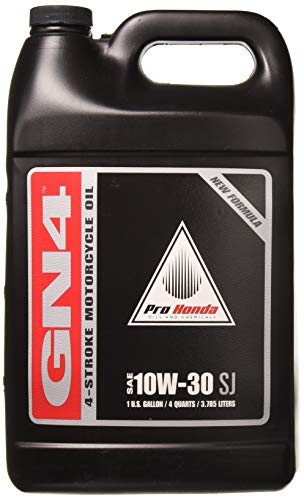
Honda Pro 10W-30 Engine Oil
All recommendations follow industry standards set by SAE, API, and guidance from U.S. Agencies such as NHTSA and DOT.
What Are Conventional and Synthetic Oils?
Conventional oil is derived from crude petroleum and refined to meet basic viscosity specifications. Synthetic oil is engineered at the molecular level, often using polyalphaolefin (PAO) or ester bases, to provide more consistent performance across temperature ranges. Both types must meet SAE J300 viscosity grades and API service classifications (e.g., API SN, API SP).
Key Benefits of Synthetic Oil
When evaluated against the same SAE viscosity grade, synthetic oil typically offers:
- Better high‑temperature stability, reducing oil breakdown (SAE J300).
- Improved low‑temperature flow, which eases cold starts (API SN/ SP).
- Cleaner engine internals because synthetic blends resist sludge formation (NHTSA recommends regular oil changes to protect engine health).
- Longer oil‑change intervals, often 7,500–10,000 mi versus 3,000–5,000 mi for conventional oils.
Manufacturer Recommendations and Compatibility
Most U.S. Automakers specify oil that meets certain API and SAE standards. Check your owner’s manual for the required viscosity (e.g., 5W‑30) and the API service rating. If the manual lists “synthetic” or “synthetic blend,” a full‑synthetic oil is acceptable. For vehicles that originally used conventional oil, the API and SAE specifications ensure compatibility; synthetic oil won’t harm seals or gaskets when the proper grade is used.
Step‑by‑Step: How to Switch to Synthetic Oil
Follow these steps to change your oil safely:
- 1. Gather supplies: synthetic oil meeting the SAE grade in your manual, a compatible oil filter, a drain pan, socket set, and safety gloves.
- 2. Warm up the engine: run the car for 5‑10 minutes to thin the oil, then turn it off.
- 3. Drain the old oil: locate the drain plug, place the pan underneath, and remove the plug. Allow the oil to fully drain (about 5 minutes).
- 4. Replace the oil filter: remove the old filter, lubricate the new filter’s gasket with a few drops of fresh synthetic oil, and install it hand‑tight.
- 5. Reinstall the drain plug: torque it to the manufacturer’s specification (often 30–40 lb‑ft, as noted in the service manual).
- 6. Fill with synthetic oil: pour the recommended amount using a funnel. Check the dipstick after a few minutes and add oil if needed.
- 7. Verify the change: start the engine, look for leaks, then shut off and re‑check the level.
Common Concerns and Misconceptions
Drivers often worry that synthetic oil will cause leaks or damage older engines. In reality:
- Synthetic oil is less likely to cause leaks because it doesn’t swell seals as much as conventional oil; any existing leaks are usually due to worn hardware.
- Older engines that have been maintained with regular oil changes can safely transition to synthetic without adverse effects (DOT and SAE guidelines support this).
- The oil change interval may be extended, but you should still follow the manufacturer’s mileage or time recommendations.
Maintenance, Service Intervals, and Environmental Impact
After switching, monitor oil condition using the dipstick and consider a baseline oil analysis (ALI offers testing services) to verify oil health. Longer intervals reduce waste oil generation, aligning with EPA recommendations for responsible disposal. However, always adhere to the interval specified by your vehicle’s warranty or the synthetic oil manufacturer’s guidelines.
Frequently Asked Questions
Can I use synthetic oil if my car originally came with conventional oil?
Yes. As long as the synthetic oil meets the SAE viscosity and API service rating required by your vehicle, it’s fully compatible. Most U.S. Manufacturers approve the switch.
Will synthetic oil void my vehicle warranty?
No. The Magnuson‑Mint Warranty Act protects consumers; using oil that meets the specifications in the owner’s manual doesn’t void warranty coverage.
Do I need to change the oil filter when switching to synthetic?
Yes. A fresh filter ensures proper flow and helps capture any particles that may have been loosened during the first synthetic fill.
How often should I change synthetic oil?
Follow the interval listed in your owner’s manual or the synthetic oil manufacturer’s recommendation, typically 7,500–10,000 mi for most modern engines. For severe service (towing, extreme temperatures), shorten the interval.
Is synthetic oil better for high‑performance or turbocharged engines?
Yes. Synthetic oil maintains viscosity at high temperatures, providing better protection for turbochargers and high‑output engines, a claim supported by SAE testing and API certifications.
The Bottom Line
Switching from conventional to synthetic oil is a straightforward upgrade that can enhance engine protection, improve fuel efficiency, and reduce the frequency of oil changes. By confirming the proper SAE grade, following the step‑by‑step procedure, and adhering to manufacturer guidelines, drivers across the United States can safely reap the benefits of synthetic lubricants.


