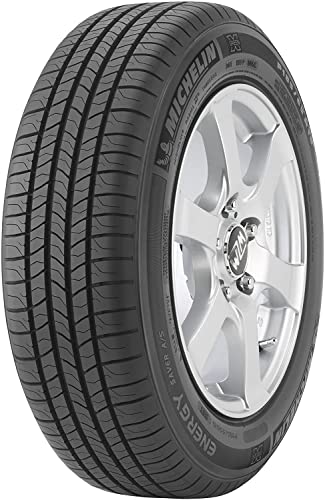
Tire balancing can’t be repaired; it must be corrected by a professional. If your tires are out of balance, the only fix is to have them rebalanced on a specialized machine. This process involves adding small weights to the wheel to offset heavy spots, restoring smooth rotation and eliminating vibration.
What Does Tire Balancing Actually Do?
Tire balancing compensates for tiny weight inconsistencies in the tire and wheel assembly. Even new tires have slight variations in density, and wheels can have minor casting irregularities. A balancing machine spins the assembly and measures where weights need to be attached to the rim. This ensures the tire rotates evenly at all speeds, preventing steering wheel shake, seat vibration, and uneven tread wear. Balancing isn’t a repair for damage; it’s a precision adjustment that must be performed by a shop with proper equipment.
Can You Balance Tires at Home?
While DIY tire balancing kits exist, they aren’t recommended for most drivers. These kits often use beads or granules inside the tire that supposedly self-balance, but they’re less accurate than machine balancing. Professional balancing costs around $15 to $50 per tire and uses calibrated weights that stay in place. For safety and ride quality, always have a tire shop balance your tires. The only exception is if you have a certified tire technician and a high-quality balancer at home, which is rare.
Signs Your Tires Need Rebalancing
You can’t repair balance issues, but you can recognize when rebalancing is needed. Common symptoms include: a vibrating steering wheel at highway speeds (typically 50-70 mph), a shaking seat or floorboard, or a wobbling sensation in the vehicle. Uneven tire wear, such as cupping or scalloped edges, can also indicate imbalance. If you notice any of these, have your tires checked immediately. Driving on unbalanced tires accelerates wear and can damage suspension components.
How Often Should Tires Be Balanced?
Most manufacturers recommend balancing tires every 5,000 to 6,000 miles, or at every oil change. You should also balance after any tire repair, when mounting new tires, or if you hit a large pothole or curb. If you feel vibration after a rotation or repair, the tires may have lost their balance. Regular balancing extends tire life and improves fuel economy by reducing rolling resistance.
Frequently Asked Questions
Can unbalanced tires be fixed without weights?
No. The only reliable method to correct tire imbalance is adding weights to the rim. DIY products like balancing beads or powders are less effective and can cause issues with tire pressure sensors. Always use traditional weights applied by a professional.
Does tire balancing fix vibration from bent wheels?
No. If a wheel is bent or damaged, balancing alone won’t fix the vibration. Bent wheels require straightening or replacement. A technician can diagnose whether the issue is imbalance or wheel damage during the balancing process.
How long does a tire balance last?
A proper balance lasts until the tire is removed from the wheel, or until weights fall off. Weights can come loose from road debris or corrosion. If you hit a deep pothole, the balance may shift. In normal conditions, balance holds for the life of the tire, but periodic checks are wise.
The Bottom Line
Tire balancing can’t be repaired; it must be performed by a professional using a balancing machine. If you feel vibration, have your tires rebalanced promptly to avoid premature wear and safety risks. For more tire care tips, check out our tires category and learn about the best OBD2 scanners to monitor your vehicle’s health.