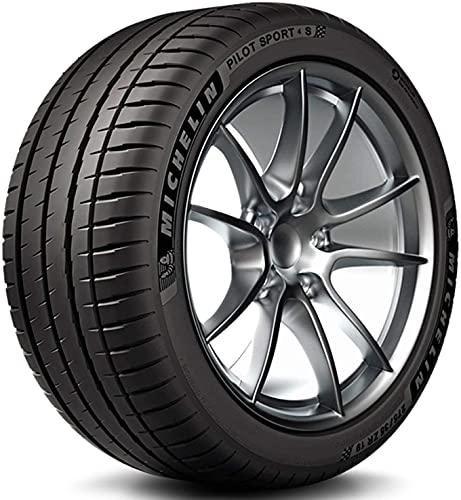
Yes, low profile tires can be repaired, but only under specific conditions. The puncture must be in the tread area, not the sidewall, and must be smaller than 1/4 inch (6mm) in diameter. Also, the tire must have sufficient tread depth (at least 2/32 inch) and no signs of internal damage. Repairs should always be done by a professional using a proper plug-and-patch combination, not just a string plug.
Repair Limits for Low Profile Tires
Low profile tires have shorter sidewalls and stiffer construction, which makes them more prone to damage from potholes and curbs. The repair limits are stricter than for standard tires. Most tire manufacturers and the Rubber Manufacturers Association (RMA) recommend that any puncture larger than 1/4 inch (6mm) in the tread warrants replacement. Also, if the puncture is within 1 inch of the edge of the tread (shoulder area), repair isn’t advised because the sidewall flex can cause the patch to fail. For low profile tires, some shops may even be more conservative due to the higher stress on the sidewall.
Cost vs. Safety Considerations
A professional tire repair typically costs between $20 and $40. However, if the tire has run flat (even briefly) while underinflated, internal damage may have occurred, and repair isn’t safe. Low profile tires are also more susceptible to sidewall bulges from impact, which can’t be repaired. If you have a run-flat low profile tire, repair guidelines are even stricter: many manufacturers prohibit repairing run-flat tires at all, as the internal structure may be compromised.
When Replacement Is the Only Option
Replace the tire if: the puncture is in the sidewall or shoulder, the puncture is larger than 1/4 inch, the tire has less than 2/32 inch tread, there’s a visible bulge or bubble, or the tire has been driven underinflated. Low profile tires often wear faster and are more expensive, but safety is paramount. A repaired tire that fails at high speed can cause loss of control. For a set of four, consider replacing in pairs (both front or both rear) to maintain even handling.
Repair Process and Professional Standards
A proper repair involves removing the tire from the rim, inspecting the inside for damage, and applying a combination patch-plug from the inside. This seals the puncture and reinforces the area. Never use a simple rope plug from the outside for low profile tires, as it can leak and doesn’t provide structural support. Always have repairs done by a certified tire technician. If you’re unsure about the condition of your tires, use a reliable OBD2 scanner to monitor tire pressure monitoring system (TPMS) data, and keep a portable jump starter in your vehicle for emergencies.
Frequently Asked Questions
Can you plug a low profile tire?
No, you shouldn’t use a string plug alone on a low profile tire. Plugs are temporary and can leak or fail. A proper patch-plug repair from inside is required for safety.
How long does a repaired low profile tire last?
If repaired correctly, the tire can last the remainder of its tread life, provided the repair is in the center tread area and the tire isn’t driven underinflated. However, many experts recommend replacing low profile tires after a puncture due to the higher risk of sidewall stress.
Is it safe to repair a run-flat low profile tire?
Most manufacturers advise against repairing run-flat tires, even if the puncture is small. Run-flat tires have reinforced sidewalls that can be damaged when driven flat, and the integrity can’t be guaranteed after repair.
The Bottom Line
Low profile tires can be repaired only for small punctures in the tread area, and the repair must be done professionally. For any sidewall damage, large punctures, or run-flat tires, replacement is the safer choice. Always prioritize safety over cost, and consult a trusted tire shop. For more tire care tips, check out our tire category.